

Snohomish County · 25 min east of Lake Stevens HQ

Pest control in
Monroe, WA.

Monroe runs rural-suburban with a lot of horse property, where the outbuildings draw rodents and the Skykomish River corridor keeps mosquitoes around.

Call now (425) 332-6566

Get a free Monroe quote

Step 1 of 3

What's the pest problem?

Pick all that apply.

Pest control in Monroe, WA

Monroe sits where the Skykomish and Snoqualmie valleys come together, with Woods Creek running down from the north into the Skykomish right at town. The west side, around Fryelands and Lake Tye, is subdivisions from the 1990s on, built over old farm ground. East and north of town it opens into acreage, horse property and hobby farms against the foothills.

So pest control in Monroe splits in two. On a subdivision lot it looks a lot like the rest of the county: ants, spiders, the occasional mouse. On acreage, the barns, feed rooms and pasture change the whole job, and the standing water left in the river bottoms each spring gives Monroe a real mosquito season.

Rodent Control in Monroe

Rodents in Monroe's barns, feed rooms and farm-edge homes

Hay, grain, pet food and livestock feed make a steady food supply, and barns, shops and equipment sheds give shelter that is rarely sealed. Mice and Norway rats build up in the outbuildings, then treat the house as one more building on the same property. The fields and river bottoms around town add field mice that move in when the ground floods or the crops come off.

Rodent control in Monroe covers the property, not just the house. We seal the home first, closing gaps a quarter inch and up with hardware cloth, sheet metal, mortar or copper mesh, then put tamper-resistant bait stations around the house and outbuildings, placed with your animals in mind, plus snap traps inside. Keep feed in closed metal bins, and watch for chewed bags and droppings in the tack or feed room.
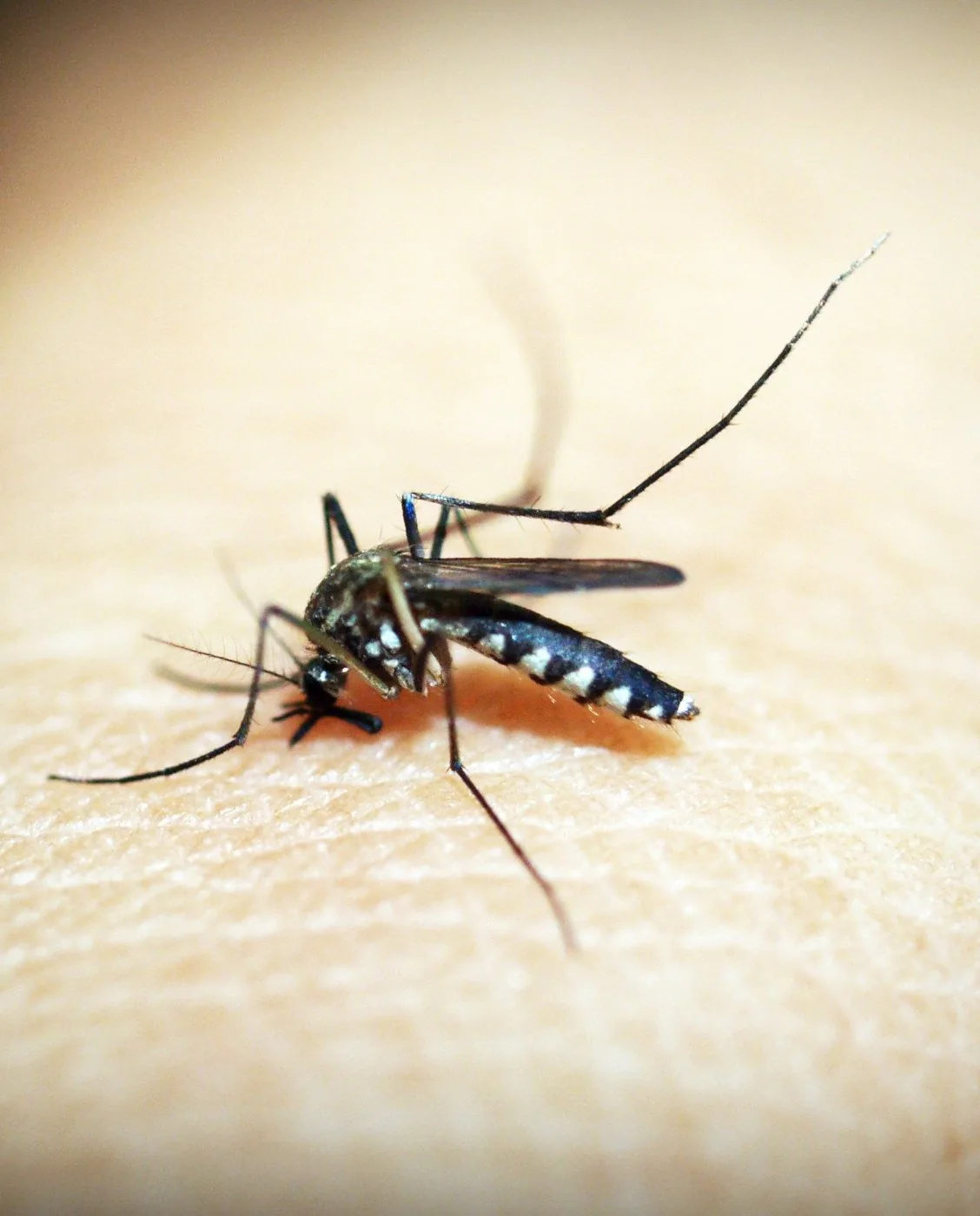
Mosquito Control in Monroe

Mosquitoes from the Skykomish river bottoms and Lake Tye wetlands

The low ground along the Skykomish and Woods Creek floods in the wet months, and as it drains it leaves sloughs, ditches and low pasture that hold water into summer. Lake Tye and the wetlands built around it add more. On acreage, water troughs, tarps, buckets and old tires all breed mosquitoes a few feet from the back door.

We walk the property to find standing water, drain what can be drained, and larvicide where the water can't be removed, like a low spot that stays wet or an ornamental pond. Then we treat the shaded places adults rest during the day: under decks, in dense shrubs and along the shady side of outbuildings. Visits run heavier May through August. Change animal water often and tip out anything that holds rain.

Wasps & Bees in Monroe

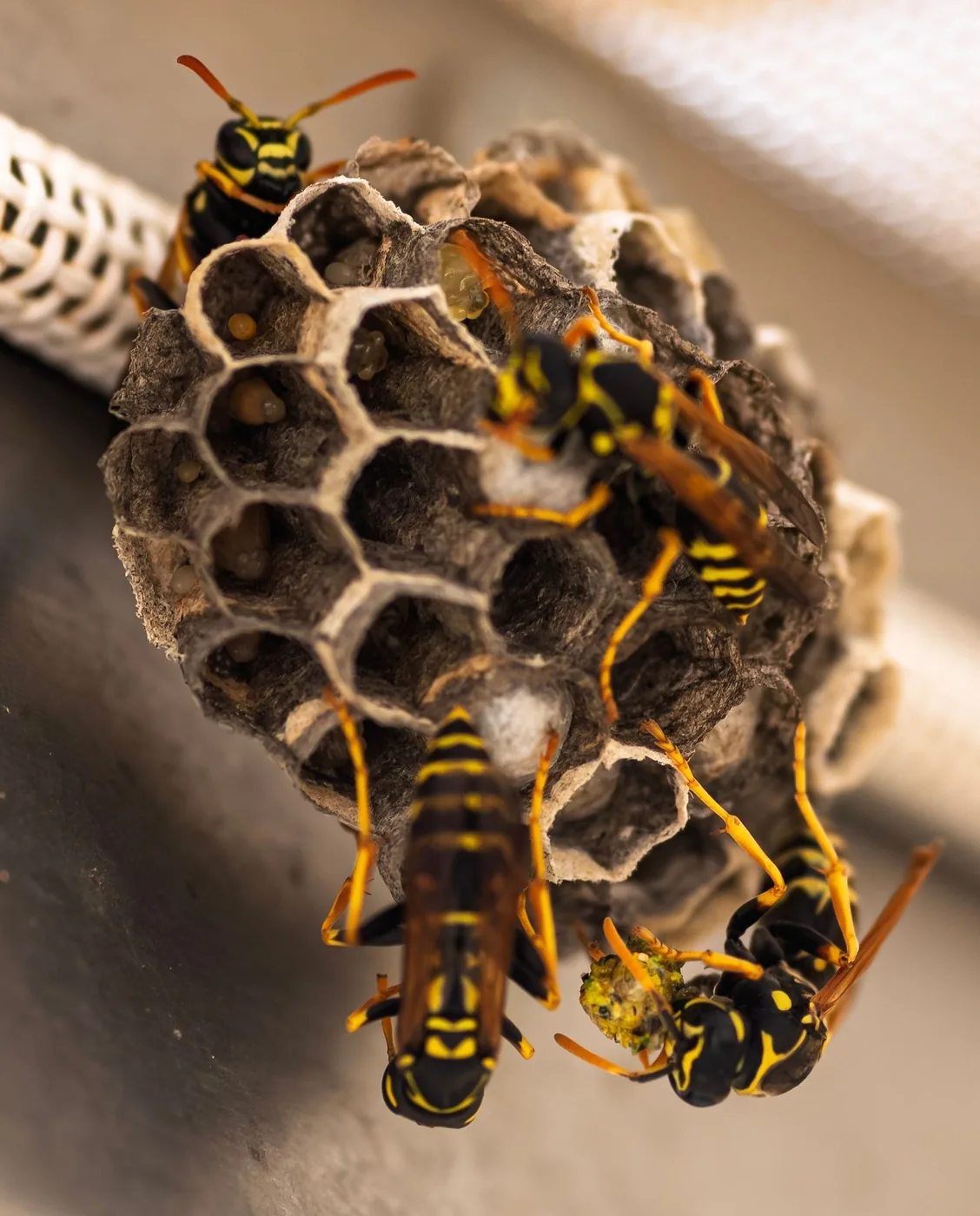
Yellow jackets and wasps in Monroe's outbuildings and foothill lots

Barns, pole buildings, sheds and fence lines give paper wasps and yellow jackets sheltered places to build, and the wooded edges toward the foothills hold ground nests. By late summer the colonies are large and defensive, and a nest in a barn door frame or under a horse trailer becomes a daily hazard for people and animals.

We treat nests at dusk or dawn, when the colony is inside, and treat the void or entry so it isn't reused. Honey bees, which are common around gardens and orchards out here, are never killed; we refer them to a local beekeeper. Check under barn eaves, inside unused equipment and along fence rails in June, when nests are still small and easier to deal with. Don't burn or knock down a nest yourself.

From the call to the follow-up

Hiring a Monroe exterminator

When you call us as your Monroe exterminator, someone is out within 48 hours with a text about 30 minutes ahead. On a property with outbuildings, plan on the tech walking the barn, shop and hay storage along with the house, because that is usually where a rodent population is based. You'll hear what we found and where. Return visits check stations and traps, and warranty re-treatments are free.

Licensed
WSDA Commercial Applicator #112338
Response
Someone out within 48 hours
Warranty
Re-treatments at no charge

What changes the job here

Fryelands subdivisions, older town homes and acreage around Monroe

Fryelands was built on the former Frye farm starting in the early 1990s, with Lake Tye created as part of the project. Those homes, and the newer subdivisions around them, sit on crawl spaces over flat ground that used to be wet, so vapor barriers and vent screens matter. Closer to downtown, older homes on smaller lots have more settling gaps and older foundations.

Out toward the foothills and up the valley, most properties are acreage with a house, a shop or barn, and pasture or woods. That changes the visit. We plan for more ground to cover, more places for rodents to live and more water to check for mosquitoes, and we schedule the work around the whole property rather than just the house.

Across Monroe

Monroe neighborhoods and what they deal with

Fryelands
Crawl space homes on flat former farmland near Lake Tye, where damp ground brings mosquitoes and moisture-loving ants.
Lake Tye
The lake and its wetlands hold water into summer, so nearby homes notice more mosquitoes on warm evenings.
Downtown Monroe
Older homes on smaller lots near Main Street have the settling gaps that let mice in during fall.
Woods Creek
Homes near the creek corridor deal with rodents moving along the brushy banks and mosquitoes in the low spots.
Skykomish River valley acreage
Horse and farm properties on the river flats carry heavy rodent loads in barns and plenty of standing water.

Through the year

The Monroe pest year, season by season

Spring
Floodwater draining off the river bottoms leaves standing water behind, so mosquito prep starts in April and May.
Summer
Mosquitoes peak near Lake Tye and the river from June through August, and wasps build fast in barns and sheds.
Fall
Harvest and the first high water send field mice into barns and houses, just as yellow jacket nests reach full size.
Winter
Rodents hole up in hay storage and crawl spaces, so winter is when stations around the outbuildings do the most work.

Questions, answered

Pest control in Monroe, the common questions.

I have horses. Are bait stations a problem around them?

We use tamper-resistant stations and place them where animals can't get at them, usually along building walls outside the stalls and paddocks. Inside barns and feed rooms, snap traps set in protected spots handle a lot of the work. Tell us which animals are on the property and where they move, and we plan the placement around that.

Can you actually cut down mosquitoes on a property near the river?

Yes, even though nobody can stop mosquitoes coming off the river itself. Many of the ones biting you in the yard breed close by, in troughs, buckets, tarps and low spots. Getting rid of that water, larviciding what can't be drained and treating the shaded resting areas makes a clear difference on warm evenings.

Does my shop or barn need its own treatment?

If it stores feed, hay or anything rodents can nest in, yes. A barn with a rodent population will keep supplying the house no matter how well the house is sealed. We set stations around the outbuildings, check them on return visits, and treat any wasp nests in the barn eaves at dusk or dawn.

How quickly can you get to Monroe?

Someone will be at your door within 48 hours. Monroe is 25 min east of Lake Stevens HQ, and you get a text about 30 minutes before the truck arrives. Stinging-insect calls get priority on the schedule.

Is the treatment safe around kids and pets?

Yes. We use products rated for occupied homes and apply them where pests travel, not across your living space. The technician walks you through what goes down and where before anything is treated. If you keep bees, chickens or a vegetable garden, tell us and we work around them.

Monroe, WA

Tell us what you're seeing.

Family-owned and based in Lake Stevens, WA. Call or send the form and someone will be out within 48 hours.