Wasp nest removal and hornet control across Snohomish County.
Wasp nest removal, hornet nest removal, and yellow jacket removal for homes and businesses across Lake Stevens, Woodinville, Edmonds, Lynnwood, and the rest of Snohomish and King County. We find the nest, treat it at dusk or dawn when the colony is inside, take it down where we can reach it, and treat inside the entry point so next season's queen doesn't reuse the same void. If it turns out to be honey bees, we'll point you to a local beekeeper instead of killing them.
Wasp nest removal is about reaching the colony at the right time, not blasting a can of spray at the entrance. Paper wasps under an eave are a quick single-visit job, but a basketball-sized hornet nest holds thousands of workers that all defend at once, and hornet nest removal on a two-storey eave is not a ladder-and-a-can job. Wasp control that holds means treating at dusk or dawn when the colony is home, removing the nest where we can, and treating inside the entry point itself so next season's queen doesn't reuse it.
Paper wasps, yellow jackets, and bald-faced hornets
When to call a pro
A nest in a wall or the ground, a large hornet nest, or anyone in the home who is allergic
Peak season
Late summer into early fall, when colonies are biggest and most aggressive
How we handle it
Locate the nest, treat at dusk or dawn, remove it, and treat inside the entry point
How fast we respond
Priority scheduling, with someone out to treat within 48 hours
Where we treat
Lake Stevens, Woodinville, Edmonds, Lynnwood, and across Snohomish and King County
What we treat
What you're actually dealing with.
Identification matters more than treatment. The same product on the wrong species
can scatter a colony and double the problem. Here is what we typically find on
calls in the Lake Stevens, Lynnwood, and Edmonds area.
01
Paper wasps
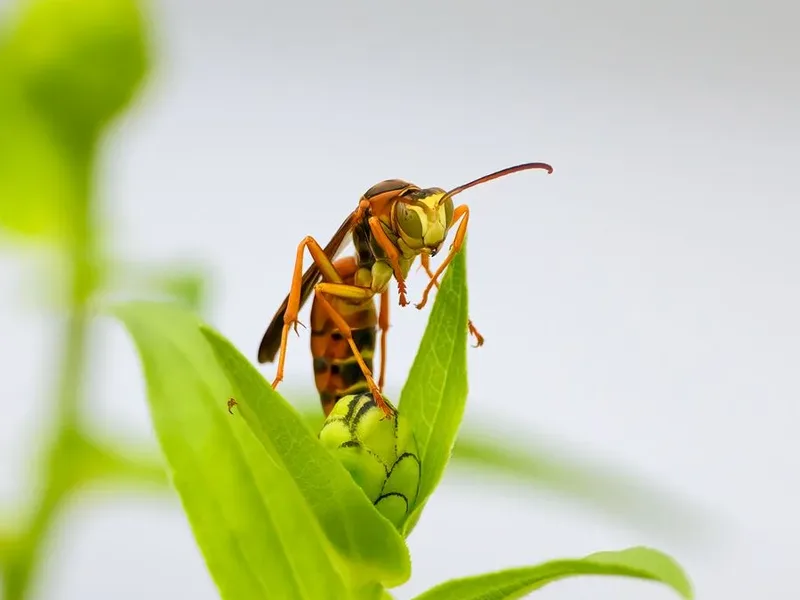
These build umbrella-shaped open nests under eaves, deck rails, and patio furniture. They're less aggressive than yellow jackets unless you threaten the nest, and we can usually treat and remove them in a single visit.
02
Yellow jackets
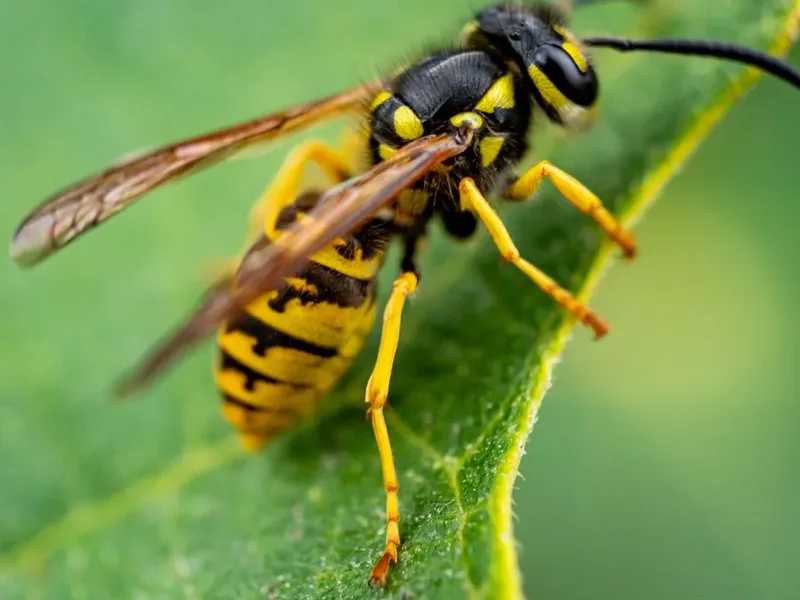
These are the aggressive ones, nesting in ground holes, old rodent burrows, and the voids behind siding. They sting repeatedly and the whole colony responds when the nest is disturbed, so don't poke at the entry yourself, just give us a call.
03
Bald-faced hornets
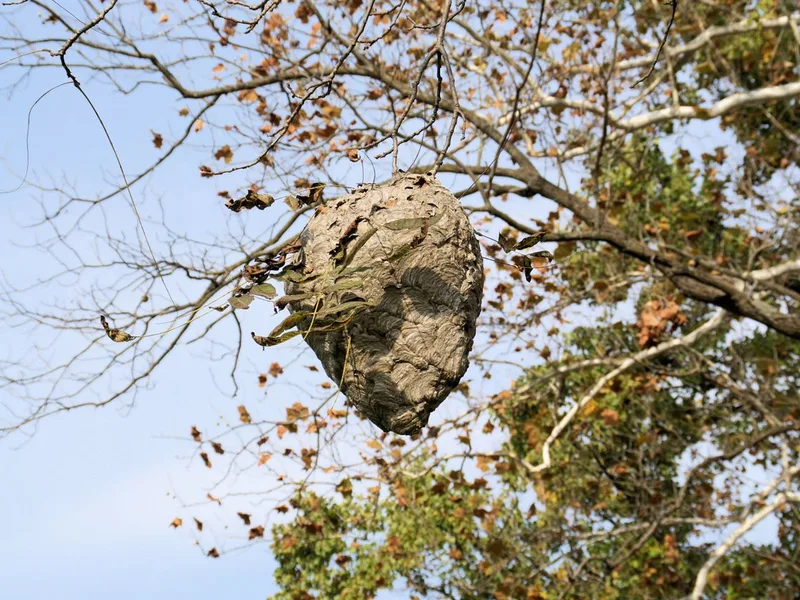
These hang large gray paper nests the size of a basketball from trees and eaves, with thousands of workers that defend aggressively. We knock the colony down at night and come back the next day to remove the nest.
04
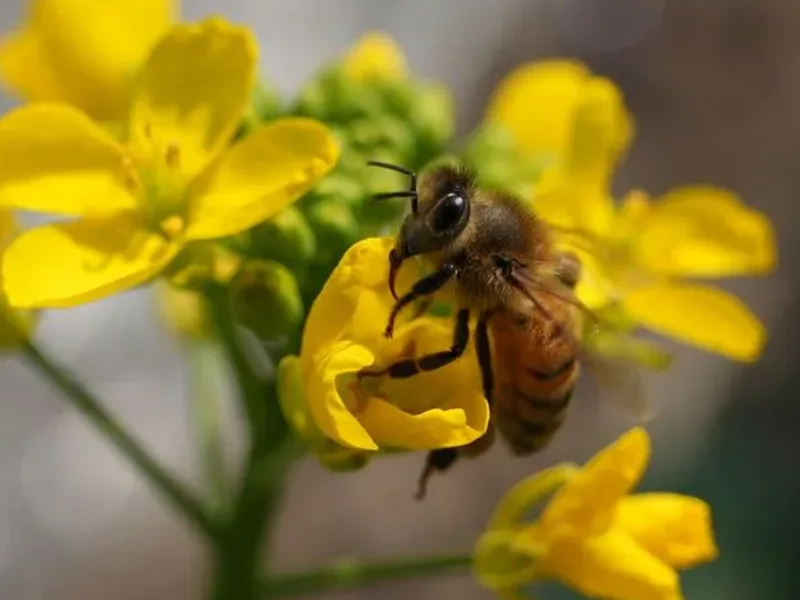
Honey bees
We do not kill honey bees. If you have a swarm or an established hive in a wall, we will refer you to a local beekeeper for live relocation.
What to watch for
Signs you have a real problem.
One sighting isn't always a problem, but a few of these together usually
means it's time. We're happy to take a look and tell you what's going on.
01
Repeated wasp activity at one specific spot of the eaves or siding
02
Yellow jackets entering and exiting a hole in the ground or wall
03
A papery gray nest visible under a deck, in a tree, or on a fence
04
Increased stings in the yard, especially in late summer
05
Buzzing inside a wall (often a sign of a colony in the void)
How we work
Our process
for wasps + bees.
Every visit runs the same way: a real walk-through, a written report after every
service, and warranty re-treatment at no charge, within 48 hours, if the pests come
back between visits.
01
Identify and locate
We walk the property to find the main nest plus any satellite colonies. Yellow jacket calls in particular often have more than one entry point.
02
Treat at the right time
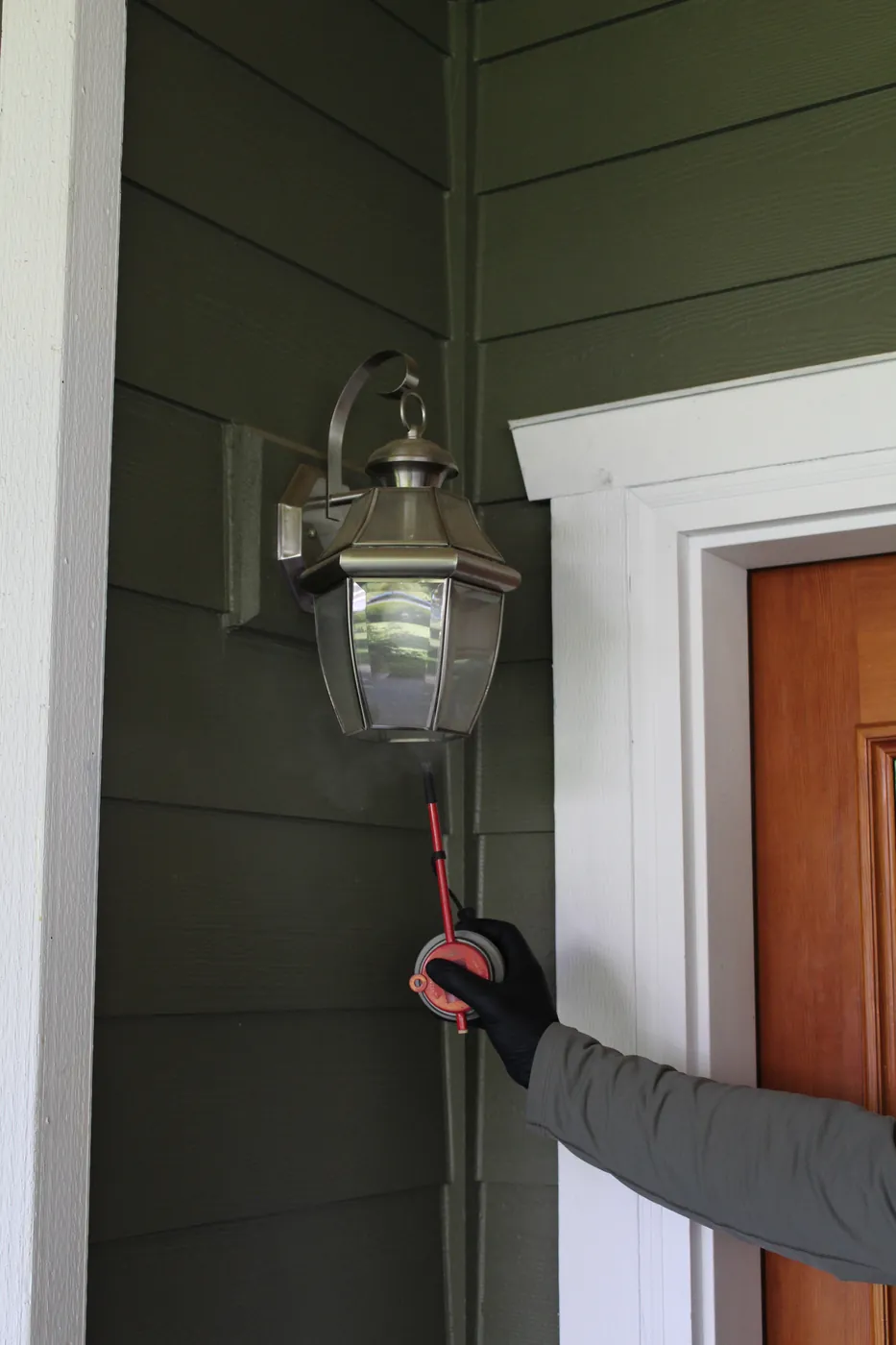
Most stinging-insect work is done at dusk or dawn when the colony is inside the nest. We use targeted treatments, not perimeter sprays, and we wear what we need to wear so nobody gets stung.
03
Remove and treat the entry
We physically remove the nest where we can, then treat inside the void, gap, or hole the colony was using. That treated surface is what keeps a new colony from moving into the same spot next season.
The one we handle separately
Almost every wasp nest on a house is on the outside of it, and that is the job this page describes. A colony that has moved into the void behind your siding is a different job with a different method, so it has a page of its own.
A nest you can see is a nest we can reach. A colony inside a wall void cannot be sprayed from outside, cannot be taken down, and gets worse if you plug the hole they are using, because a sealed-out colony chews inward and opens into the room instead.
That case has its own method, its own timing, and its own set of mistakes to avoid, so we wrote it up separately: yellow jacket nest in wall removal, including how to find the entry and why the hole has to stay open until we get there.
Why call us instead of DIY
A can of wasp spray is fine for a small paper-wasp nest under the eave. It's a different story with a yellow-jacket colony inside a wall or a hornet nest holding thousands of workers, and that's usually how someone ends up stung or in the emergency room. We've got the right gear and we know when to come.
Honey bees we refer out rather than treat. The Washington State Beekeepers Association asks people not to use insecticide or call an exterminator for a swarm, and a local beekeeper will usually collect one at no charge.
We still get asked about murder hornets. The northern giant hornet was declared eradicated from the United States in December 2024, after four nests were destroyed in Whatcom County and three years of trapping turned up no detections. What is on your siding is almost certainly a bald-faced hornet or a yellow jacket queen.
Still not sure what you've got? Send us a photo or give us a call and describe what you're seeing, and we'll tell you what it is and whether it's worth treating.
Stinging-insect calls are priority work for us, and we guarantee someone out to treat within 48 hours. If someone in the home is allergic, tell us when you call and we will move you to the front of that window.
How much does wasp nest removal cost?
A single accessible paper-wasp nest is a quick, low-cost visit. A yellow jacket colony inside a wall or a large hornet nest up high takes more time and gear, so it costs a bit more. We give you the price up front, and if you are already on a recurring program, knocking down a nest between visits is often included.
Can I remove a wasp nest myself?
A small, exposed paper-wasp nest you can usually handle with a can of spray after dark. A ground nest, or a hornet nest with thousands of workers, is how people end up stung repeatedly or in the emergency room. Those are worth a call. A colony inside a wall is its own job and we cover it separately on our yellow jacket nest in wall page.
How do you remove a wasp nest?
At dusk or dawn, when the whole colony is inside and slow, and from the entry point rather than the outside of the nest. Hitting the papery shell with a spray in daylight just sends the foragers out at you and leaves the queen. We treat into the entrance, take the nest down once the colony is dead, then treat the void or gap itself so next spring's queen does not settle into the same spot.
Is it safe to remove a wasp nest in winter?
Yes, and by then it is usually pointless. A wasp nest is annual: the colony dies off with the first hard frosts and only new queens survive, overwintering somewhere else entirely. An old nest left up will not be reused. The one reason to take it down is that the void it was built in is proven attractive, so treating that spot in winter is genuinely worth doing before spring.
Do I need a wasp exterminator or can I do it myself?
A single paper wasp nest under an eave, within easy reach, in daylight, is a job a careful homeowner can do. Anything underground, above the first storey, inside a structure, or bigger than a fist is worth a wasp exterminator. Yellow jacket removal in particular goes wrong fast: a disturbed colony sends hundreds of workers out at once and they can sting repeatedly.
Do you treat yellow jackets in the ground?
Yes. Ground-nesting yellow jackets are one of the most common calls we get in late summer. We find the entry hole, treat the nest directly at dusk or dawn when they are inside, and make sure the whole colony is gone rather than just the ones at the opening.
Where do wasps and yellow jackets usually nest?
Paper wasps build under eaves, soffits, and deck rails. Yellow jackets often nest in the ground, in wall voids, or behind siding. Bald-faced hornets build the large gray football-shaped nests in trees and on structures. We treat all three.
Do you remove honey bees?
No. Honey bees are valuable pollinators, so we do not treat them. If you have a honey bee swarm or hive, we will point you to a local beekeeper who can relocate it. We do treat yellow jackets, paper wasps, and bald-faced hornets.
Is wasp treatment safe around kids and pets?
Yes. We treat the nest and inside the entry point directly with products rated for occupied homes, and we will let you know how long to keep kids and pets clear of the treated area, usually just a short window.
We run wasp & bee control out of Lake Stevens across more than 35 cities in
Snohomish County, King County, Skagit, and Island, down to just past Seattle.
We guarantee someone out within 48 hours across Snohomish County and King County, and
since we're a local family out of Lake Stevens, we treat your home like it's on our own street.