
Ant control
Ant control in Lake Stevens and across Snohomish County.
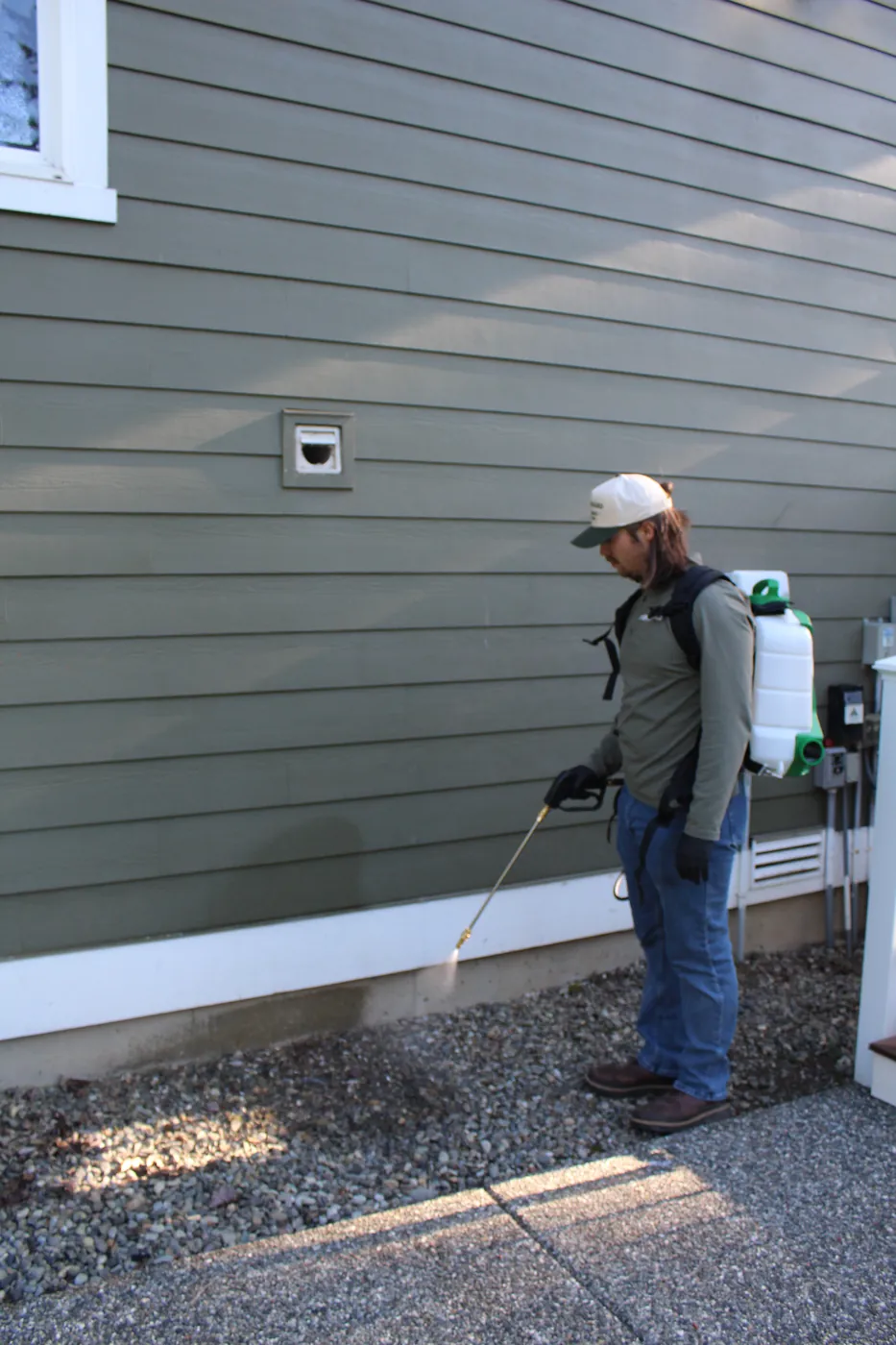
Carpenter ant control, sugar ants, odorous house ants, and pavement ants for homes and businesses from Lake Stevens and Everett down through Lynnwood, Edmonds, and into north King County. The job is the colony, not the trail on the counter. By the time you spot ants inside, the nest has usually been there for weeks, so we follow it back to the source, treat it there, and treat the gaps they were getting in through.
Call now (425) 332-6566Get a free quote
Step 1 of 2Ants at a glance
What you need to know about ant control.
Most ant problems in the PNW come down to one of four species, and the right fix depends on which one you have. Carpenter ants tunnel into damp wood and need the parent nest plus every satellite treated, while sugar and odorous house ants are a baiting job, not a spraying one. Store sprays usually scatter the colony and make it worse, which is why DIY ant control so often fails and why people end up calling an ant exterminator anyway. Ant pest control done properly starts with the species: we identify it, treat the nest at the source, and treat the entry points they're trailing through so it actually ends.
(425) 332-6566- Most common here
- Carpenter ants, odorous house ants, pavement ants, and the sugar ants people lump together
- When to call a pro
- A steady trail, fine sawdust (frass) near framing, or ants back within days of spraying
- Peak season
- Spring through early fall, with carpenter ants busiest in damp spring weather
- How we handle it
- Species ID, then bait or direct nest treatment, then treat the entry points
- How fast we respond
- Someone out within 48 hours, and the same window on warranty re-treatments
- Where we treat
- Lake Stevens, Everett, Lynnwood, Edmonds, and across Snohomish and King County
What we treat
What you're
actually dealing with.
Identification matters more than treatment. The same product on the wrong species can scatter a colony and double the problem. Here is what we typically find on calls in the Lake Stevens, Lynnwood, and Edmonds area.
Carpenter ants
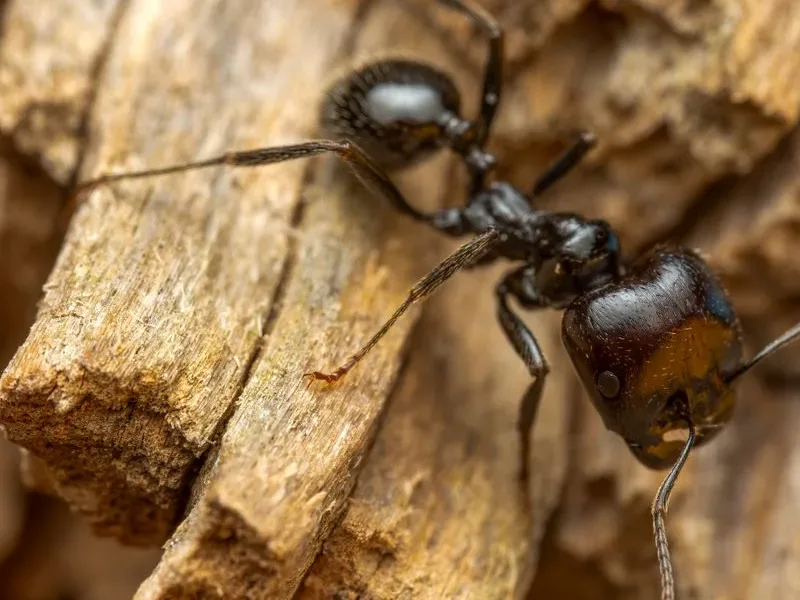
These are the big black ones, and they tunnel through softened wood in crawl spaces, attics, and moisture-damaged framing. Treat them too lightly and they just relocate to a satellite nest and come back, so we go after the parent colony plus every satellite we can find.
Odorous house ants
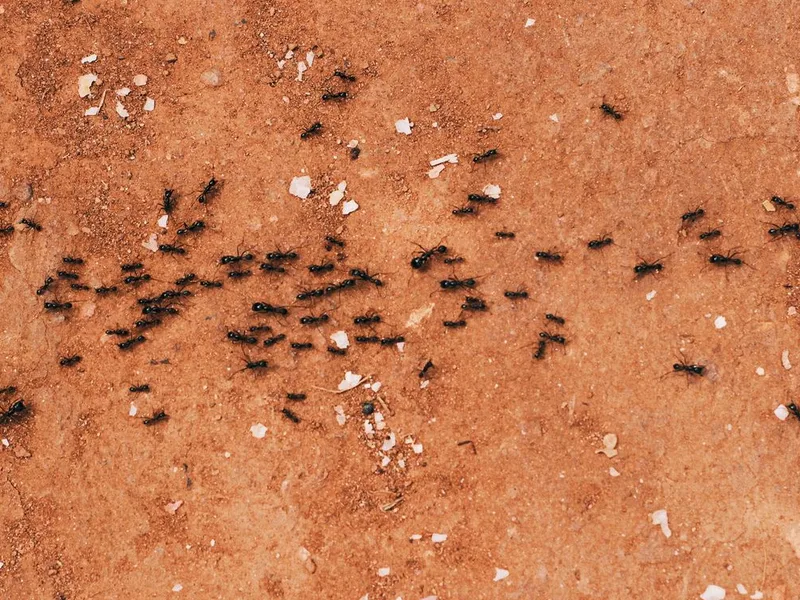
These are smaller and dark brown, and they smell faintly like blue cheese when you crush one. They trail across counters from inside the wall voids, and they're a baiting job, not a spraying one, because sprays scatter the colony and make it worse.
Pavement ants
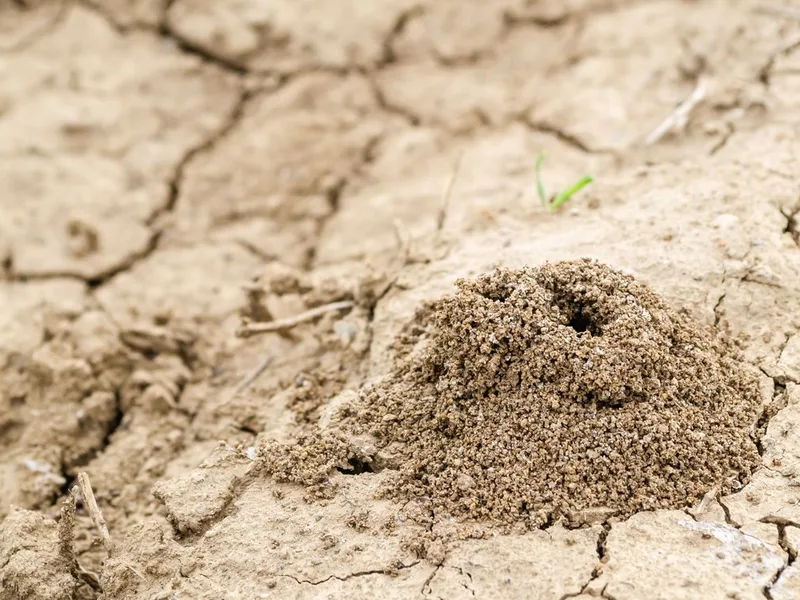
These are tiny and lighter brown, and they build mounds in sidewalk cracks, driveway joints, and foundation seams. We treat the mound directly and reset the perimeter so new colonies don't settle back in.
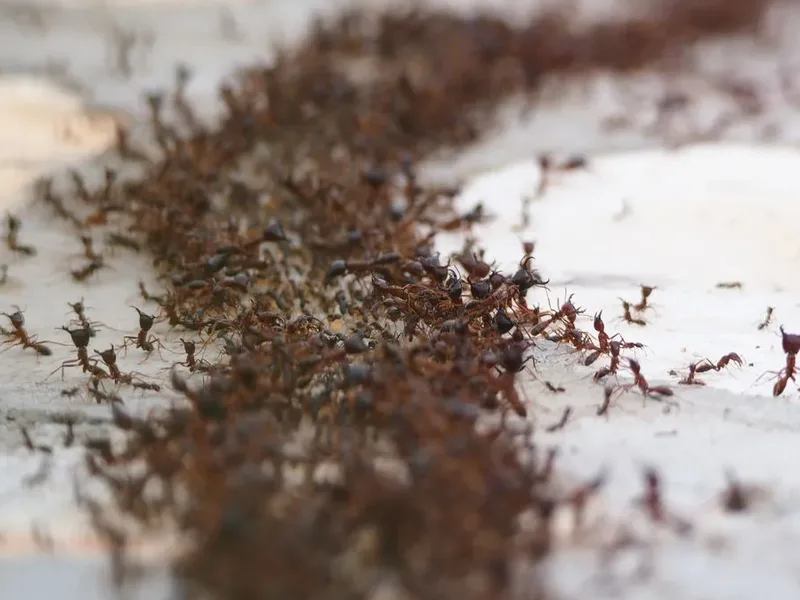
Sugar ants
That's a catch-all PNW name for several species that all go after sweets, and the right treatment depends on which one you actually have, so proper identification is half the job.
What to watch for
Signs you have
a real problem.
One sighting isn't always a problem, but a few of these together usually means it's time. We're happy to take a look and tell you what's going on.
- 01
Trails of ants on countertops or along baseboards
- 02
Piles of fine sawdust (frass) near framing, a carpenter ant tell
- 03
Hollow sound when you tap on a stud or door frame
- 04
A faint cheese-rind smell when ants get crushed (odorous house ants)
- 05
Persistent mounds in driveway cracks or yard edges
How we work
Our process
for ants.
Every visit runs the same way: a real walk-through, a written report after every service, and warranty re-treatment at no charge, within 48 hours, if the pests come back between visits.
Identify the species
Different ants need different treatments. The wrong product on the wrong species scatters the colony and doubles your problem. We start with a positive ID.
Treat at the source
Bait the colony for sugar and odorous house ants. Direct treatment for carpenter ant nests plus any satellite colonies we trace. Mound treatment and perimeter reset for pavement ants.
Treat the entry
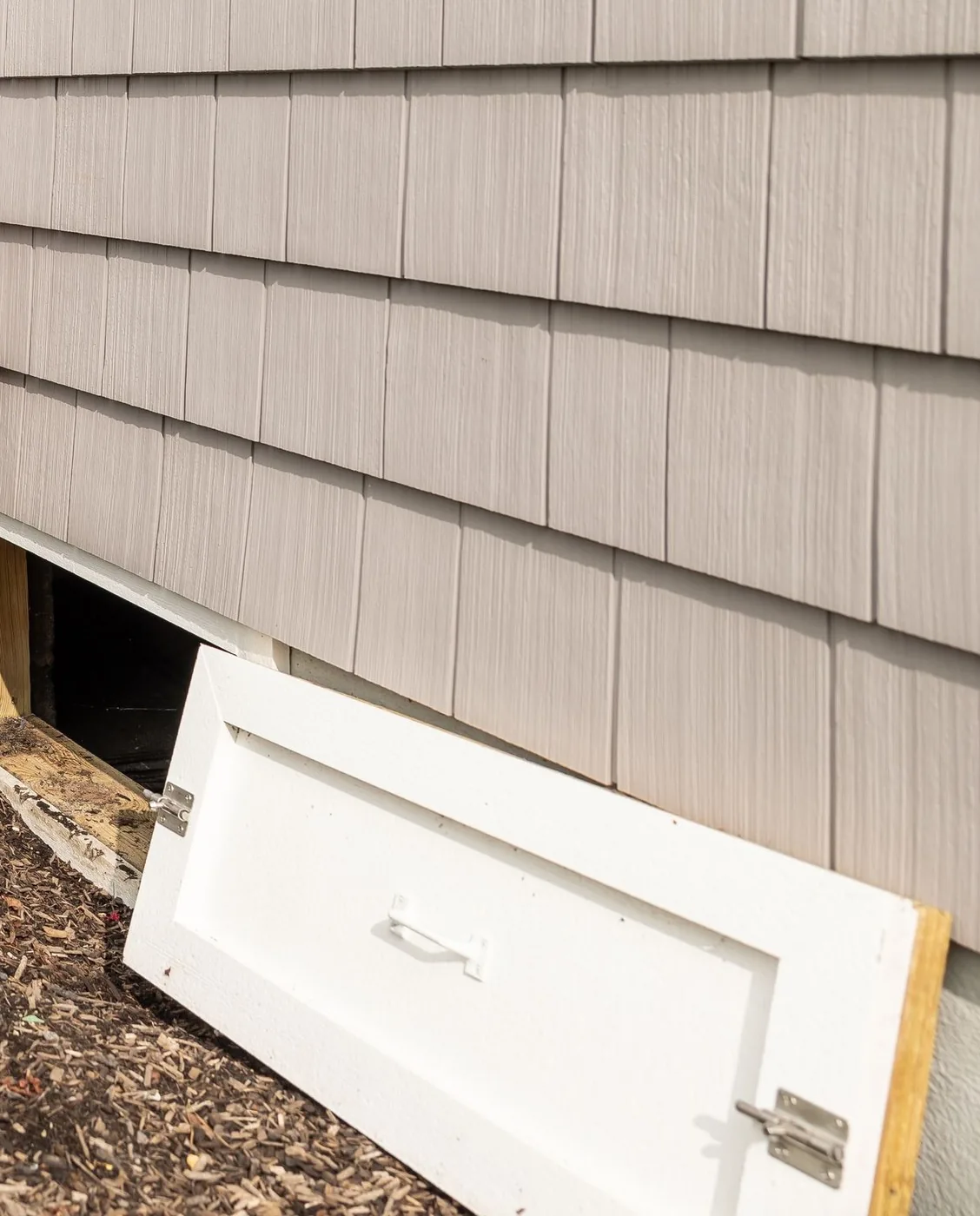
Find how they got in (usually a foundation gap, utility penetration, or moisture-rotted siding) and treat it directly, so the next wave hits a treated surface instead of an open trail. Two-week follow-up to verify the colony is dead.
Why call us instead of DIY
The sprays you buy at the store kill the workers you can see, but they also tell the rest of the colony to scatter and rebuild somewhere else, which is why a DIY treatment often leaves you worse off a couple of weeks later. We go after the nest and the queen so it actually ends.
Call now (425) 332-6566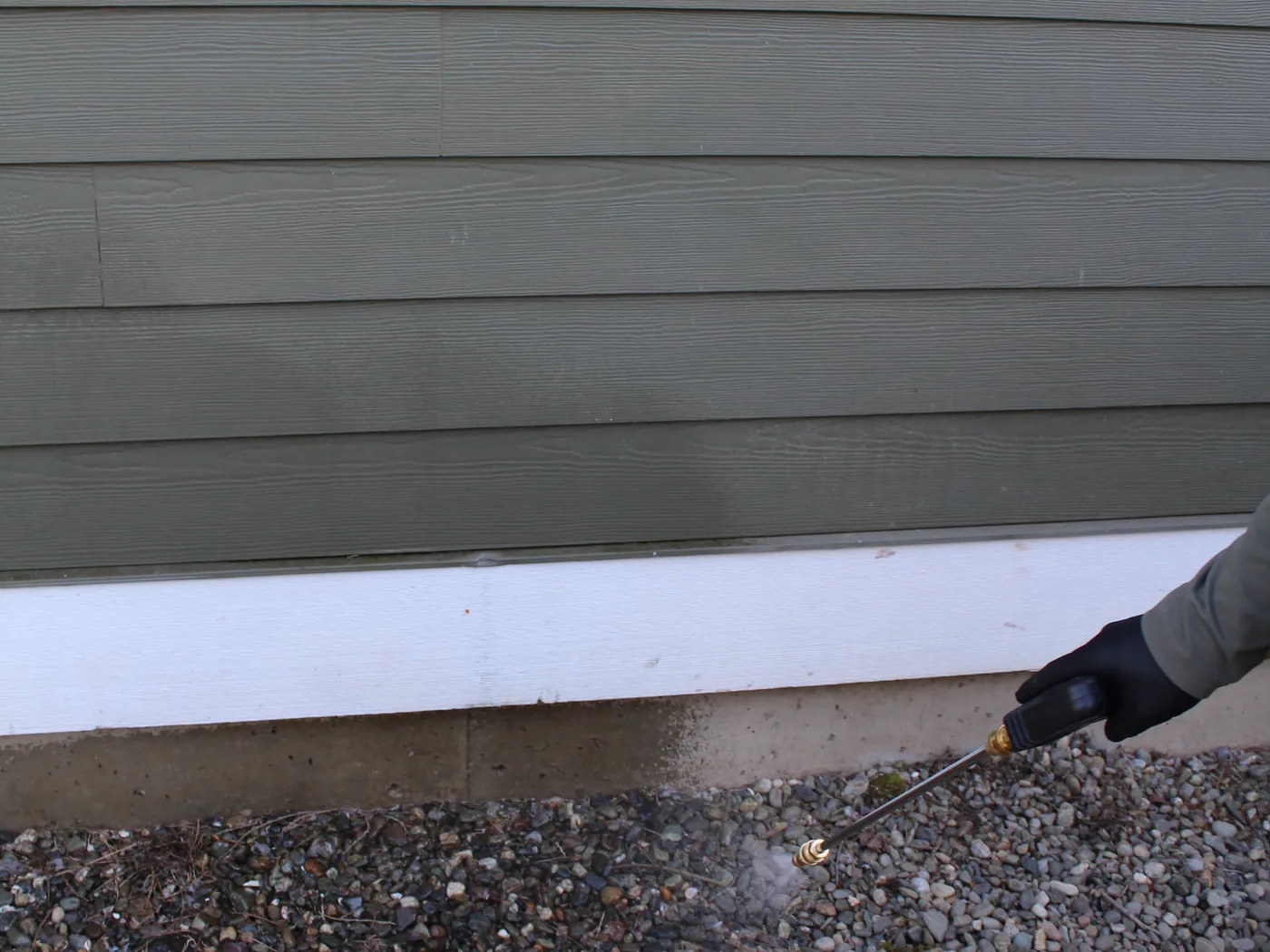
Questions, answered
Ants
questions.
Still not sure what you've got? Send us a photo or give us a call and describe what you're seeing, and we'll tell you what it is and whether it's worth treating.
(425) 332-6566 Is it carpenter ants or sugar ants?
Carpenter ants are large, a quarter inch or more, usually black, and most active at night near damp or damaged wood. Sugar and odorous house ants are tiny and trail along counters and baseboards toward food. We confirm the species on the first visit, because the treatment for each is completely different.
How do you control carpenter ants?
By finding the parent nest, not by spraying the trail. Carpenter ants keep satellite nests away from the main colony, so killing the ants you can see leaves the colony intact and it rebuilds. We follow the trails back, treat the parent nest and every satellite we can locate, and then deal with the moisture problem that softened the wood in the first place, because dry framing is not somewhere they can nest.
How do I control ants in the yard?
Most yard ants are doing no harm and are worth leaving alone. It matters when they are trailing to the house, farming aphids on your plants, or nesting against the foundation. Cut back what touches the siding, deal with standing moisture, and keep mulch off the foundation line. If they are already coming inside, the trail outside is a symptom and the nest is the job.
How much does ant control cost?
It depends on the species, the size of the colony, and whether the nest is inside a wall or out in the yard, so we quote it after a quick look rather than over the phone. A one-time carpenter ant treatment is priced differently than an ongoing perimeter program. You get the number before we start, with no surprise add-ons.
How do I get rid of ants myself?
You can knock down a visible trail with bait, but the ants you see are a tiny fraction of the colony, and the store sprays that kill them on contact often signal the rest to split and rebuild somewhere new. If they keep coming back, that is the colony telling you it is still there. Professional ant control treats the nest and the queen, which is what actually stops them.
Why do ants keep coming back after I spray them?
Store-bought sprays kill the ants you see but not the colony, and some sprays actually cause certain species to split and spread. We trace the trail back to the nest, treat the source, and treat the entry points they were using so the colony cannot rebuild the trail.
How long does ant treatment take?
The visit itself is usually under an hour. Baiting jobs take a week or two to reach the whole colony as the workers carry it back to the nest, and we schedule a follow-up to confirm it worked. Carpenter ant nests we treat directly, so those resolve faster.
Do you treat carpenter ants inside the walls?
Yes. Carpenter ants nest in moisture-damaged framing, wall voids, and around windows and decks. We treat the active galleries directly, then treat the entry points and flag any moisture issue that drew them in so they do not return.
Are your ant treatments safe for kids and pets?
Yes. We use products rated for occupied homes and apply them to trails, entry points, and harborage rather than broadcasting them across living space. We will walk you through every product and where it goes before we treat.
More services
What else we handle.
Ants service area
Ant Control
across the north sound.
We run ant control out of Lake Stevens across more than 35 cities in Snohomish County, King County, Skagit, and Island, down to just past Seattle.
- Ant Control in Lake Stevens
- Ant Control in Lynnwood
- Ant Control in Edmonds
- Ant Control in Woodinville
- Ant Control in Everett
Ready when you are
Get the ants
handled today.
We guarantee someone out within 48 hours across Snohomish County and King County, and since we're a local family out of Lake Stevens, we treat your home like it's on our own street.