The most useful preparation for pest control starts with a conversation. An inspection for ants, work on an exterior wasp nest, and a rodent visit do not all require the same room setup or pet arrangements.
Before the appointment, ask which areas the technician expects to inspect and whether any treatment is planned. Then get the preparation instructions for that work. A generic online checklist cannot tell you which cabinets to empty or when your dog can return to a particular area.
Describe the household before the visit
Tell the company about the pets in the home, including birds, fish, reptiles, and small animals as well as cats and dogs. Explain where enclosures, food bowls, bedding, and outdoor runs are located. Share any household considerations that may affect the work and ask how they change the plan.
The EPA’s guide to pest control and pesticide safety advises keeping children, pets, and toys away from pesticide mixing and application areas for the time required by the label. The relevant directions depend on the product and application; there is no single return time that fits every visit.
Avoid relying on a phrase such as “pet friendly” as your only instruction. Ask for concrete answers about where pets should stay, which belongings should be moved, and what needs to happen before those spaces are used again.
Give the technician a clear history
Write down where you have seen activity and when it started. Include the specific room, cabinet, side of the house, or outdoor structure. Photographs are helpful when they can be taken without approaching a nest or disturbing contaminated material.
List products you have already used, where you applied them, and when. Keep labels or photos rather than trying to remember a brand from the color of the can. Mention recent repairs too, especially a sealed opening, plumbing work, or construction near the affected area.
Do not clean away every trace simply because someone is coming over. Ask which evidence should be left for inspection and how to handle anything that needs cleanup. The aim is to make the problem visible without leaving food spills or exposing the household to waste.
Make access easy and controlled
Clear an ordinary walking path to the agreed areas. Move shoes or stored boxes that block a cabinet or access panel when it is safe to do so. Ask before emptying entire rooms or pulling appliances away from the wall; unnecessary moving can create more work without improving the inspection.
Arrange for pets to be secure before the door opens. A familiar room, a responsible household member, or another agreed arrangement may work, depending on the visit instructions. Tell the technician about gates, latches, and animals that may slip through an open doorway.
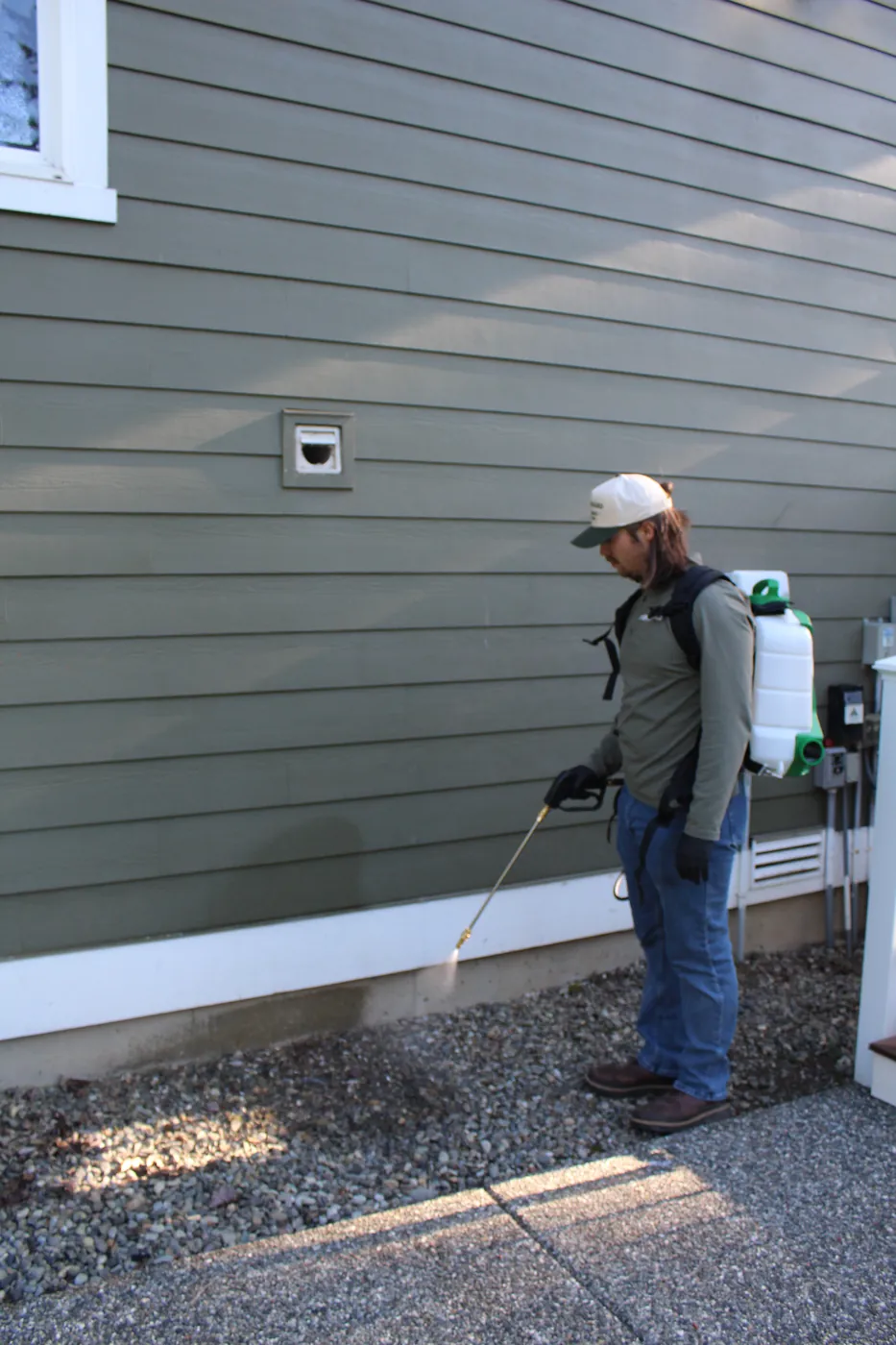
If the work involves the yard, point out vegetable beds, water features, pet areas, and neighboring spaces close to the treatment location. You are helping the technician understand how the property is used, not asking them to infer it from the furniture.
Confirm the plan before treatment starts
Ask what pest has been identified, what the proposed work addresses, and which parts of the problem require separate maintenance. A leaking pipe or damaged door may remain a source of trouble even after pest activity is addressed.
If a product will be applied, ask for its name and the instructions relevant to the household. Confirm which areas need to remain off limits and how you will receive the aftercare notes. If the visit is an inspection only, ask what information is still needed before deciding on treatment.
Our pest control cost guide discusses questions to ask about scope. Getting the scope in writing also helps distinguish the first visit from any follow-up service.
Leave with usable aftercare instructions
Before the technician leaves, make sure you know what activity to monitor, what cleaning or repairs to complete, and when to contact the company again. Ask before moving any devices or cleaning treated areas. Store the service report somewhere the rest of the household can find it.
Pure Guard serves homeowners in Snohomish County with pest control services tailored to the problem identified. When you book an appointment, share your pet information and the locations you want checked. We can discuss preparation for the actual visit instead of leaving you to guess from a one-size-fits-all list.
If this is happening at your place, our local pages cover what the work looks like in each of our core markets: ant control in Lake Stevens, carpenter ant treatment in Lynnwood, Edmonds ant control, ant control in Woodinville, and carpenter ant treatment in Everett.