You notice ants at the kitchen window after a wet day and connect the two events. That may be a useful clue, but it is not a diagnosis. The trail could be leading toward food, water, or an entry point that was already there.
A better first step is to map the activity and check the nearby conditions. For Snohomish County homes heading into fall, this is also a useful way to find small maintenance problems before storage boxes and holiday preparations make them harder to reach.
Record the trail before wiping it away
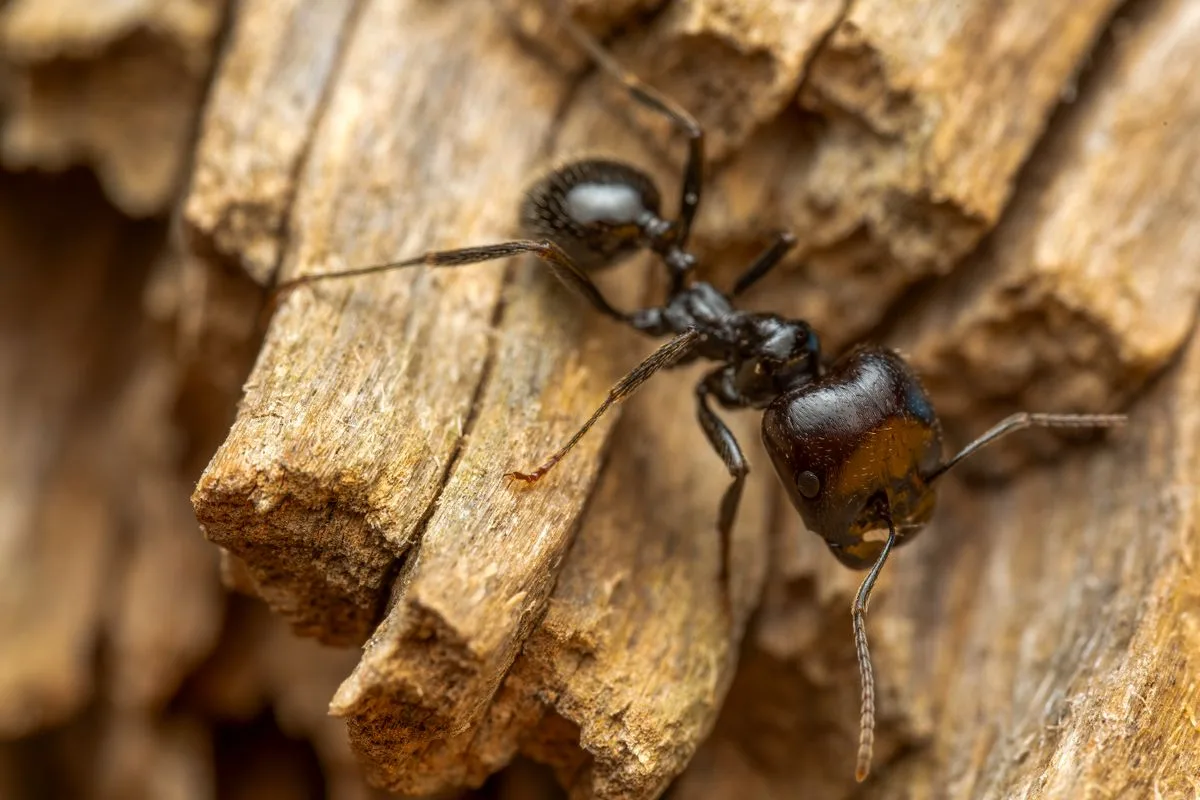
Take a photo of the insects and a wider photo showing the route. Note the date, room, and where the trail seems to begin and end. You can clean a food spill without preserving an ant highway, but a quick record gives the technician something to work from.
Be specific about what you actually see. “Ants between the window trim and the sugar container” gives more information than “ants everywhere.” Note whether the same route appears on dry days too. If there are only a few ants, say that rather than trying to estimate a colony size from the visitors.
The UC IPM ant guide recommends inspection, food and water management, and identification as parts of ant control. Finding ants near moisture does not by itself identify the species or prove a hidden nest is in damaged wood.
Check the sink cabinet with a light
Look under the sink without disconnecting plumbing. Check the cabinet floor, visible pipe joints, and the area where pipes enter the wall. Note drips, damp stored items, swelling, or discoloration. Remove ordinary clutter so the area can be inspected, but leave plumbing repairs to the appropriate professional.
Do the same in a bathroom or laundry area if that is where activity occurs. The goal is not to inspect every pipe in the house in one afternoon. Follow the evidence and make a clear list of anything that needs repair.
A dry cabinet on the day of your inspection does not erase a recurring leak. If a spot gets wet only when a fixture runs, include that observation in your maintenance request. Ask a plumber to evaluate the water problem and a pest professional to evaluate the ants rather than expecting one visit to cover both trades.
Look around doors and windows from accessible ground
Check visible trim joints, weatherstripping, and the area below a window where you noticed the ants. Outside, look for vegetation touching the building and places where stored objects prevent you from seeing the wall.
You do not need to climb onto the roof or remove siding to make a useful report. Photograph accessible concerns and leave hidden or elevated conditions for an inspection. A gap can be a maintenance item even when it turns out not to be the route the ants are using.
When repairs are proposed, ask which are intended to address water and which are intended to reduce pest access. That keeps the scope clear and gives you a way to check whether each job was completed.
Remove competing food sources
Check the containers closest to the trail first. Wipe up sticky residue, close pantry packages, and clean the edge under a countertop appliance if you can move it safely. Include the pet feeding area and any recycling kept indoors.
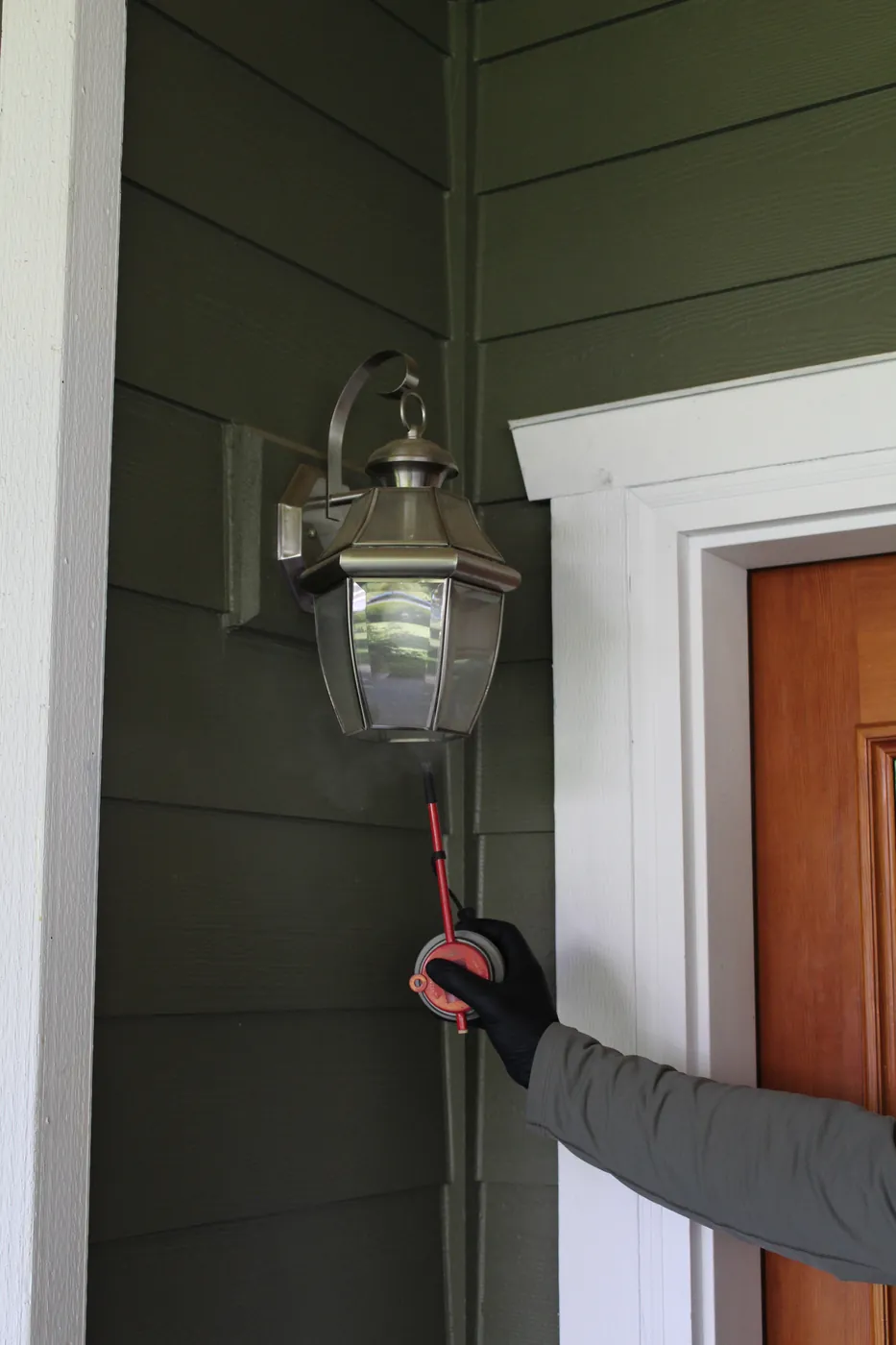
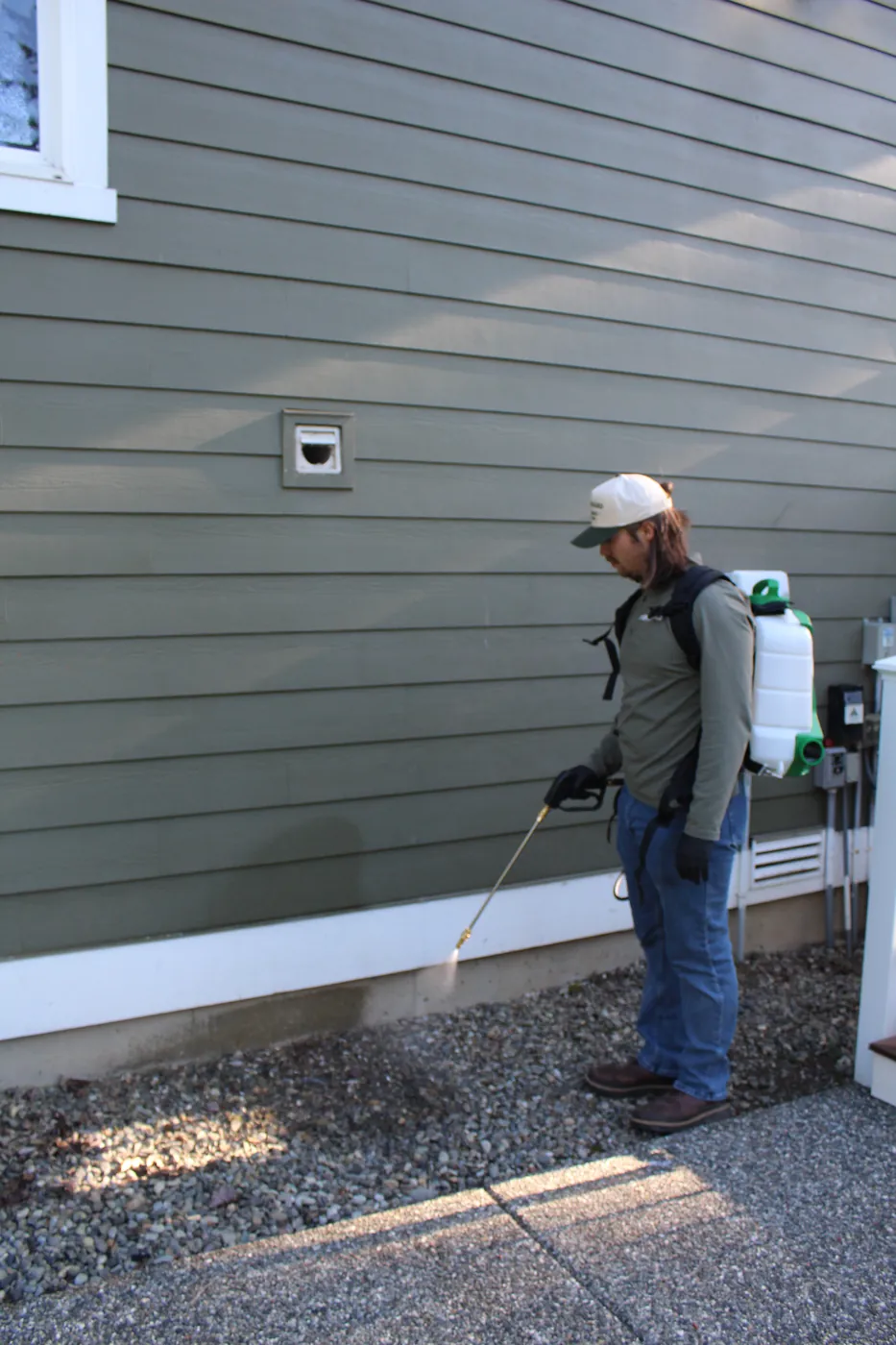
If you have already put out an ant product, keep its packaging or take a photograph of the label. Tell the technician where and when you used it. Avoid layering another spray or bait onto an existing treatment without checking compatibility and directions.
Our guide to getting rid of household ants explains the broader treatment process. This moisture checklist is the homework that helps make that process specific to your home.
Bring the clues together
Before an appointment, write a short summary: where the ants appear, whether you noticed a relationship with rain or a running fixture, which maintenance issues you found, and what products you have used. You do not need to supply a species name. The carpenter ant and sugar ant comparison can help frame questions without turning a visual guess into a conclusion.
Recurring activity, insects in several rooms, or concerns about wood and moisture justify a closer look. Pure Guard provides ant control and works with homeowners in Lake Stevens and nearby communities. Request an assessment with your photos and notes so the conversation starts with evidence from your property.