
Snohomish County · 15 min south of Lake Stevens HQ

Pest control in
Snohomish, WA.

Downtown Snohomish is full of beautiful pre-1900 homes, and with that historic housing stock come the carpenter ant problems that follow old, settled wood.

Call now (425) 332-6566

Get a free Snohomish quote

Step 1 of 3

What's the pest problem?

Pick all that apply.

Pest control in Snohomish, WA

The town sits where the Pilchuck River meets the Snohomish River, with a 26-block historic district on the north bank and open farm ground spreading across the valley floor below it. That combination shapes almost every job here. Old wood draws carpenter ants, the floodplain feeds rodents, and a lot of homes sit on crawl spaces that nobody has opened up in years.

So pest control in Snohomish is less about spraying a perimeter and more about the structure itself. A Victorian off First Street and a newer house up by Blackmans Lake need different things, and a place near the river valley deals with field mice that a Mill Creek subdivision never sees. We start by figuring out which of those you have.

Ant Control in Snohomish

Carpenter ants in Snohomish's century-old framing

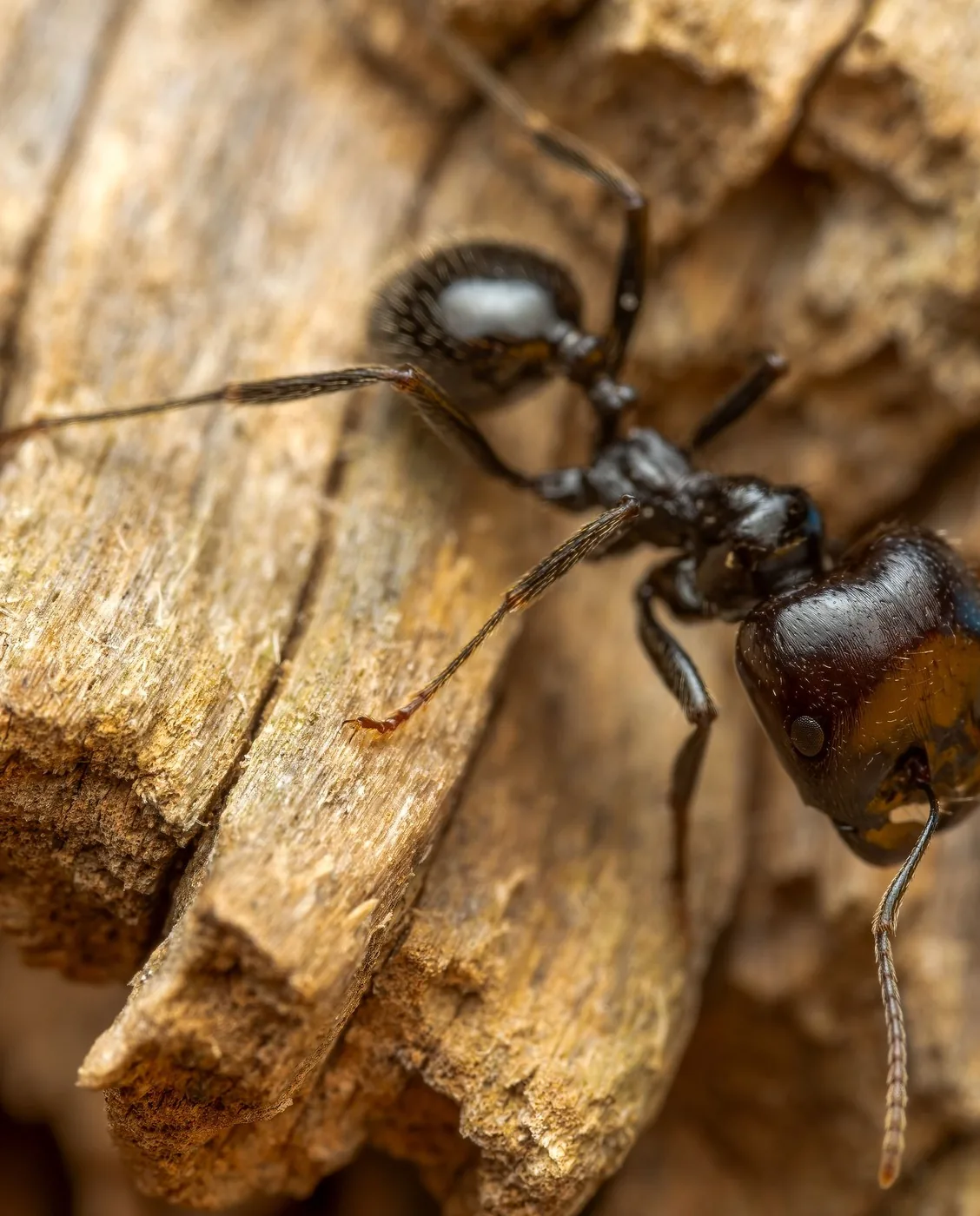
Much of the housing in and around the historic district went up in the late 1800s and early 1900s. After a century of Northwest rain, the sills, porch framing and lower siding on those homes have soft spots, and carpenter ants hollow out damp, softened wood to nest. The big trees around town, plus the stumps and woodpiles on larger lots, give them outdoor parent colonies to spread from.

We identify the ant before treating anything, because a carpenter ant problem and a sugar ant problem are handled completely differently. For carpenter ants we find the parent nest and the satellite nests in the house and treat both, since killing only the ants you see just pushes the colony deeper into the wall. Watch for small piles of coarse sawdust (frass) under trim or windowsills, and big black ants in the kitchen at night in early spring.
Rodent Control in Snohomish

Mice and rats pushed up from the Snohomish River floodplain

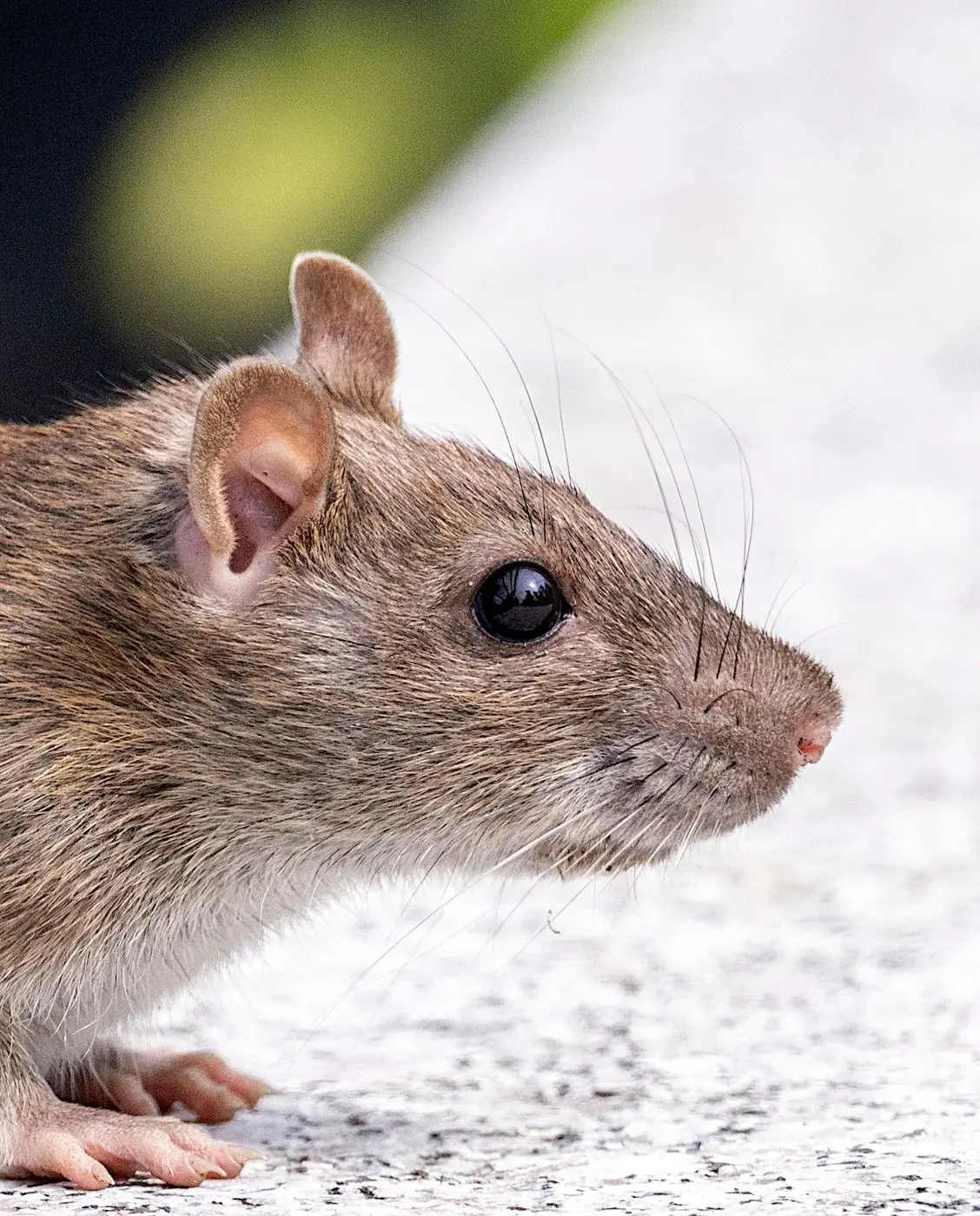
The valley south and west of town floods in the wet season, and the farm fields along the river hold large numbers of field mice and Norway rats. When the water comes up, or the fields get worked in fall, those rodents head for higher, drier ground, and the homes along the edge of town are the nearest shelter. Inside the old houses, open wall cavities let a mouse travel from the crawl space to the attic without ever crossing a room.

Rodent control in Snohomish starts outside. We seal every gap a quarter inch and up with hardware cloth, sheet metal, mortar or copper mesh, then set tamper-resistant bait stations outside and snap traps inside, and come back to check and clear them. Signs to watch for: droppings along the sill plate, torn vapor barrier, and scratching in the walls at night once the fall rains start.

Crawl Space & Vapor Barrier in Snohomish

Crawl space and vapor barrier work under Snohomish's older homes

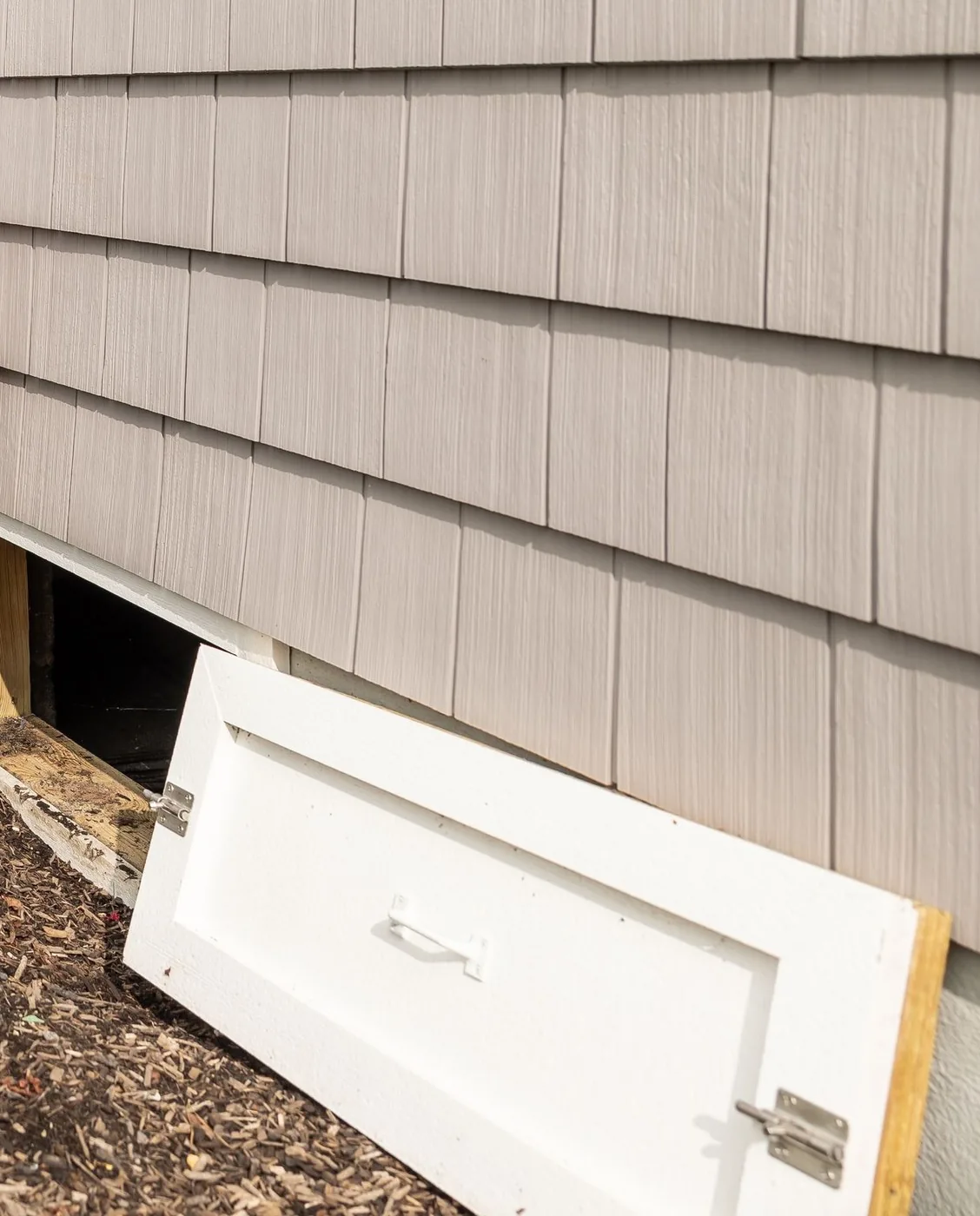
Plenty of houses in town, and many of the farmhouses out in the valley, sit on crawl spaces with a torn vapor barrier or none at all. Bare soil in a river town keeps that space damp. A damp crawl space softens joists and sill plates, invites carpenter ants, and gives rodents a sheltered place to nest right under your floor.

When the barrier is shot, we haul out the old plastic and any insulation rodents have fouled, rodent-proof the vents and foundation gaps, and lay a new 6-mil vapor barrier across the soil. If you notice a musty smell in the house, insulation hanging down under the floor, or a vent screen that has rusted through, it is worth having someone crawl in and look.

From the call to the follow-up

Hiring a Snohomish exterminator

When you call us as your Snohomish exterminator, the first visit is an inspection, not a sales pitch. We're based in Lake Stevens, right next door, and someone is out within 48 hours with a text about 30 minutes before we pull up. On an older home that means time in the crawl space and a slow walk around the sills, porch posts and roofline, because that is usually where the problem starts. You get a plain explanation of what we found before any work starts, and warranty re-treatments cost nothing.

Licensed
WSDA Commercial Applicator #112338
Response
Someone out within 48 hours
Warranty
Re-treatments at no charge

What changes the job here

Victorian, Craftsman and farmhouse construction in Snohomish

The historic district holds Victorian, classic box, Colonial Revival, Craftsman and bungalow homes, many on shallow foundations with crawl spaces or partial basements. Their framing has been settling for a hundred years or more, so there are gaps at the sill, around old utility penetrations and under porches that a newer house simply doesn't have. Exclusion on these homes takes more time and more material, and we plan the visit that way.

Outside the old grid you find later subdivisions to the north toward Blackmans Lake and along Bickford Avenue, plus acreage and farm property out toward the valley and Machias. Newer homes usually mean a cleaner crawl space and fewer gaps. Acreage means barns, shops and woodpiles have to be part of the plan, because rodents and ants living in an outbuilding won't stay there.

Across Snohomish

Snohomish neighborhoods and what they deal with

Historic District
Late-1800s and early-1900s homes on settled framing, where carpenter ants and mice moving through wall voids lead.
Blackmans Lake
Homes near the shoreline get more mosquitoes and spiders in summer, and the damp soil keeps ant colonies active.
Pilchuck River side
Brush along the Pilchuck on the east edge of town gives rats cover right up to the backyards that face it.
Snohomish River valley farmland
Field mice and Norway rats build up in the fields and move into barns and homes when the river rises or harvest clears the cover.
Bickford Avenue corridor
Newer homes and commercial ground on the north side, where fresh landscaping beds make easy nesting ground for ants.
Machias
Wooded acreage with shops and outbuildings, which brings wasps in summer and a steady rodent load in stored hay and equipment.

Through the year

The Snohomish pest year, season by season

Spring
Carpenter ant swarmers show up inside the older downtown homes on the first warm days of April and May.
Summer
Yellow jackets build in porch voids and behind the siding of the historic homes, and mosquitoes pick up around Blackmans Lake.
Fall
Harvest on the valley farms and the first high water send field mice uphill toward town, so exclusion is best finished by September.
Winter
Flood season keeps rodents holed up in crawl spaces and attics, and it is the right time to replace a failed vapor barrier before spring.

Questions, answered

Pest control in Snohomish, the common questions.

My house in the historic district is over 100 years old. Can you seal it without damaging the original trim?

Yes. Most exclusion work on an old house happens at the foundation, sill, vents and roofline, not on the decorative trim. We use hardware cloth, sheet metal, mortar and copper mesh sized to each gap. If an entry point sits behind original woodwork, we show you before we touch it and talk through the options.

Does flooding on the Snohomish River mean I'll get mice every fall?

Not necessarily, but homes near the valley floor feel more pressure when the water comes up, because the rodents living in the fields need somewhere dry. The fix is sealing entry points before the fall rains, then keeping exterior bait stations working through the wet season so rodents get caught outside before they find a way in.

I have a barn and a shop on my property outside town. Do you treat those too?

We can. Outbuildings with feed, hay or stored equipment are often where the rodent population actually lives, and the house is just the next stop. We look at the whole property, place bait stations around the outbuildings as well as the home, and seal what can be sealed. Wasp nests in barn eaves get treated at dusk or dawn.

How quickly can you get to Snohomish?

Someone will be at your door within 48 hours. Snohomish is 15 min south of Lake Stevens HQ, and you get a text about 30 minutes before the truck arrives. Stinging-insect calls get priority on the schedule.

Is the treatment safe around kids and pets?

Yes. We use products rated for occupied homes and apply them where pests travel, not across your living space. The technician walks you through what goes down and where before anything is treated. If you keep bees, chickens or a vegetable garden, tell us and we work around them.

Snohomish, WA

Tell us what you're seeing.

Family-owned and based in Lake Stevens, WA. Call or send the form and someone will be out within 48 hours.