
There’s a pattern we see every year. Summer is quiet on the rodent front, then the first cold, wet stretch hits in fall and the calls roll in. People hear scratching in the ceiling at night, find droppings under the kitchen sink, or notice the dog staring at the wall. It’s not a coincidence, and it’s not bad luck. It’s the season.
What changes in the fall
Rats don’t hibernate. When the weather turns cold and wet, the easy food and shelter they had outside all summer disappears, and a warm, dry house with a kitchen in it becomes the most attractive real estate in the neighborhood. Here in Snohomish County, that shift usually starts around late September and runs through winter.
The two species we deal with most are the Norway rat, which tends to stay low (crawl spaces, basements, the ground floor) and the roof rat, which is a climber and heads straight for attics and upper walls. The roof rat is why so many fall calls start with “I hear something in the ceiling.”
How they actually get in
This is the part that surprises people: a rat can squeeze through a gap about the size of a quarter. A mouse needs even less, roughly a dime. They don’t need a hole, they need a seam, and most houses have more of those than you’d think.
The usual entry points around here:
- Gaps where pipes and utility lines pass through the foundation or siding
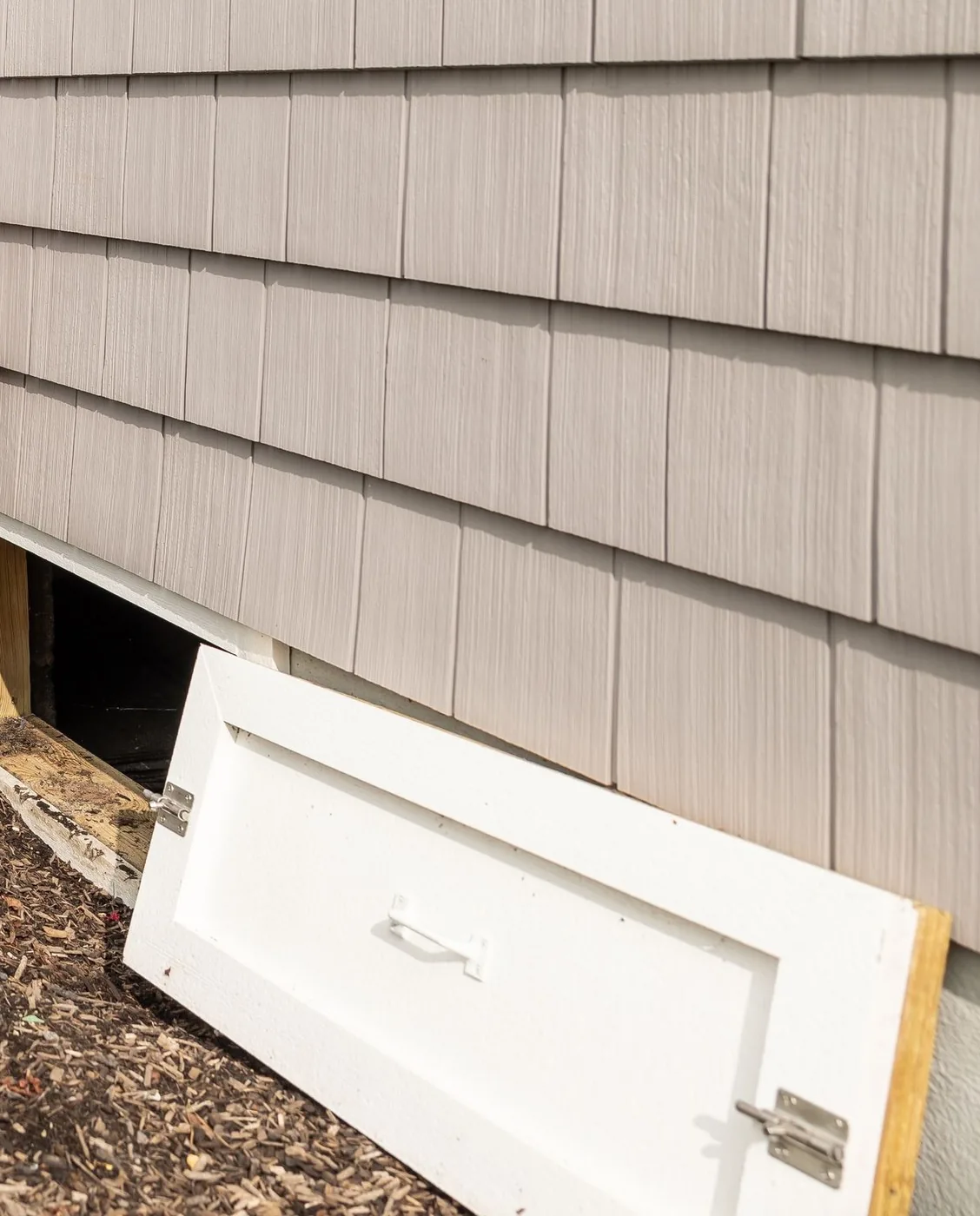
- Crawl space vents with damaged or missing screens
- The gap under a garage door that doesn’t quite seal
- Roofline gaps where the gutter meets the fascia, a favorite for roof rats
- Vents and openings into the attic, especially older homes
Once one gets in, it leaves a scent trail that tells others the way. That’s why a single rat rarely stays a single rat for long.
The signs worth catching early
The earlier you notice, the smaller the problem. Watch for:
- Droppings, usually dark and the size of a grain of rice, along walls or under sinks
- Scratching or scurrying sounds at night, often in the ceiling or walls
- Gnaw marks on food packaging, wood, or even wiring
- A musky smell that builds up in an enclosed space like a pantry or crawl space
- Greasy smudge marks along baseboards where they run the same route
Chewed wiring is the one that should get your attention fastest. It’s a real fire risk, and it’s one of the reasons we don’t treat a rodent problem as a “wait and see.”
Under the floor the tells are different again, and they usually show up in the house above before anyone opens the hatch. We went through the signs of rats in a crawl space separately, including the ammonia smell at a floor register and when the vapor barrier has to come out.
Why bait alone usually isn’t the answer
A lot of folks start with snap traps or a bag of store-bought bait, and sometimes that knocks down the few rats already inside. The problem is it does nothing about the opening they used to get in. Kill the rats indoors, leave the gap, and you’ve just made room for the next ones. Loose bait scattered in an attic or a crawl space is its own problem too, because anything can get into it.
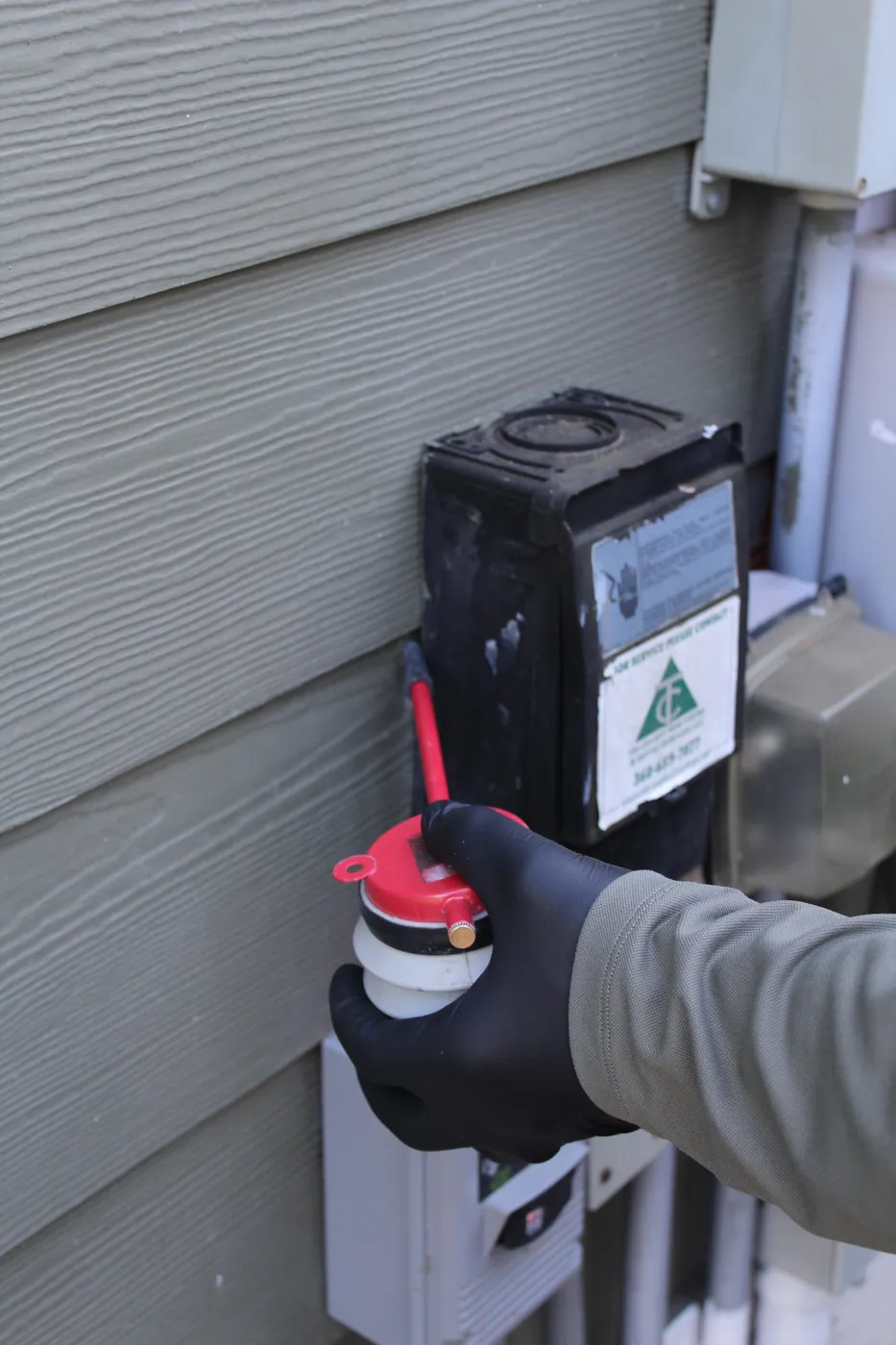
That’s why our rodent control runs both halves at once. We find how they’re getting in and close those points up properly, we set tamper-resistant bait stations around the outside of the house and refill them every time we come out so the outdoor population stays knocked down, and we trap the ones already inside. Seal the door, keep the pressure off the walls, clear the house.
Getting ahead of it
The best time to rodent-proof a house is before the fall rush, while it’s still dry and the rats are still living happily outside. A crawl space inspection, a look at the roofline and vents, and sealing the obvious gaps in late summer can save you the 2 a.m. scratching season entirely.
If you’re already hearing something up there, or you’ve found droppings and want it handled before it grows, give us a call at (425) 332-6566 or tell us what you’re seeing. We’ll find the entry points, close them, and make sure the ones inside don’t get a chance to invite friends.