The garage is an easy room to overlook when you are getting the house ready for fall. It holds the dog food, the bag of birdseed, the camping gear, and boxes nobody has opened since the move. The overhead door may also spend part of the evening open while everyone brings things inside.
For homeowners in Lake Stevens, Everett, and the surrounding Snohomish County communities, the way to keep mice out of the garage is to work through those conditions in September, before there is a recurring rodent problem. Start with the door and storage habits you can inspect safely, then get help with evidence of activity or openings you cannot evaluate.
Inspect the closed door from inside
With the garage door fully closed, look along the bottom edge and both corners for daylight. Check the pedestrian door too, including its threshold and the fit around the frame. A new strip along the bottom of an overhead door does little for a gap at the corner.
The University of California’s house mouse guide explains that mice can use surprisingly small openings and recommends excluding them with durable materials. Expanding foam by itself is not a dependable repair for an opening rodents are using.
Photograph questionable gaps for a pest professional or garage door contractor. Keep your inspection visual: garage door springs, cables, and operating hardware are not part of a DIY pest repair. A threshold that no longer meets an uneven slab may need a different fix from worn weatherstripping.
Move food storage to the top of the list
Before buying anything for mice, check what is already feeding them. Look at birdseed, grass seed, animal feed, pet treats, and bags of dry food. Put food in sturdy containers with close-fitting lids and clean up the area where you scoop it. A secure container sitting in spilled kibble leaves the job half finished.
Check the recycling bin for sticky drink residue and the trash lid for a poor fit. If food scraps go into a garage bin during the week, make sure the collection routine keeps up. Write down who will empty it so the plan does not depend on everyone assuming someone else has done it.
You do not have to turn the garage into a showroom. Focus on the places where food, shelter, and an unnoticed opening meet.
Make the wall edges visible
Move stored items enough to see the floor at the perimeter. Replace the box you keep stepping around with shelving or another arrangement that lets you inspect behind it. Keep frequently used supplies reachable so they do not migrate back onto the floor a week later.
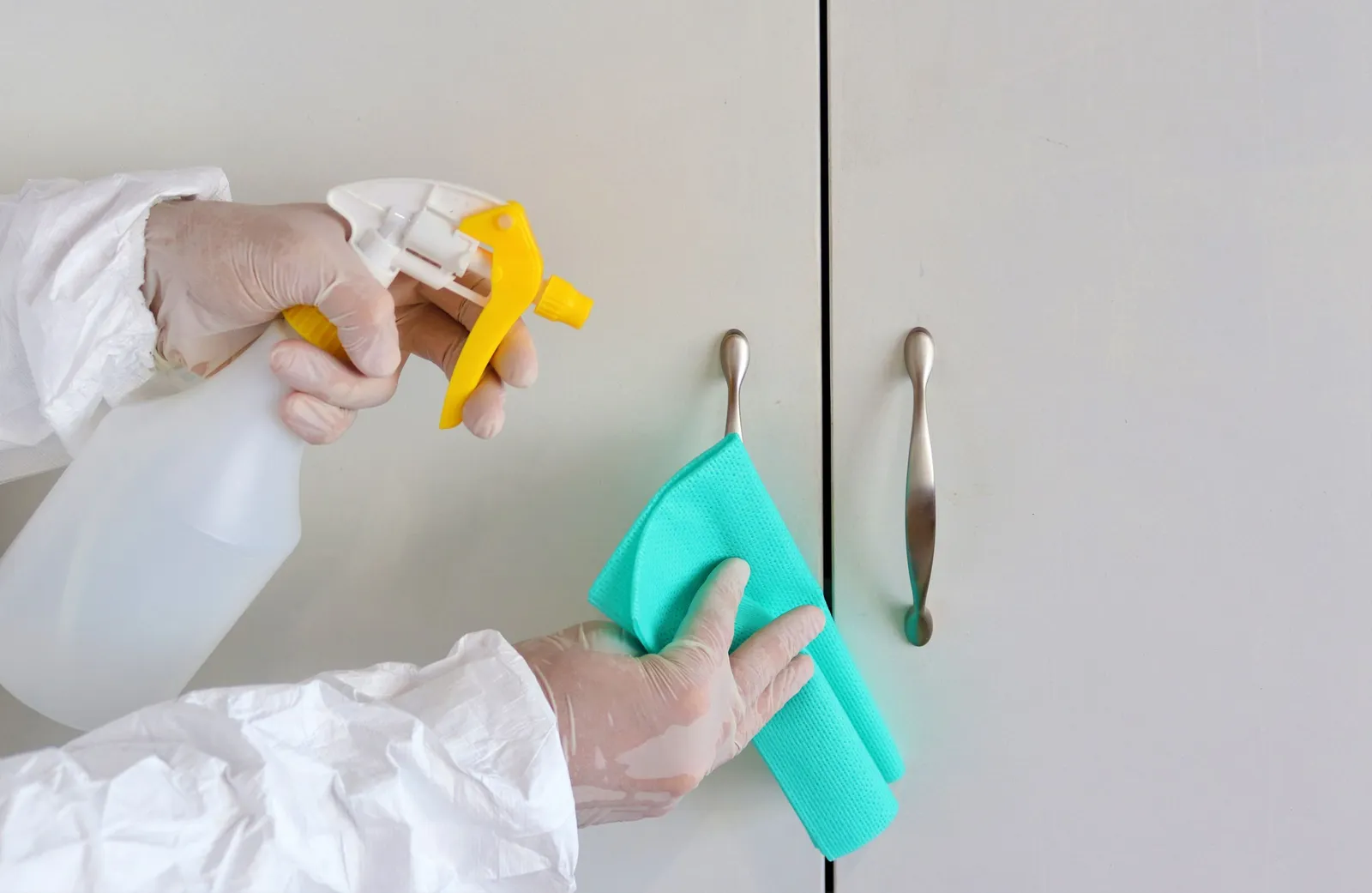
Look for damaged packaging, gnawing, nesting material, or droppings without disturbing suspect material. Take a photo and note the location. Follow the CDC’s rodent cleanup guidance: do not dry sweep or vacuum suspected rodent waste. Ask about appropriate cleanup before starting. If evidence continues into the home, include that information when requesting an inspection. Mouse droppings vs. rat droppings shows how to tell what you found.
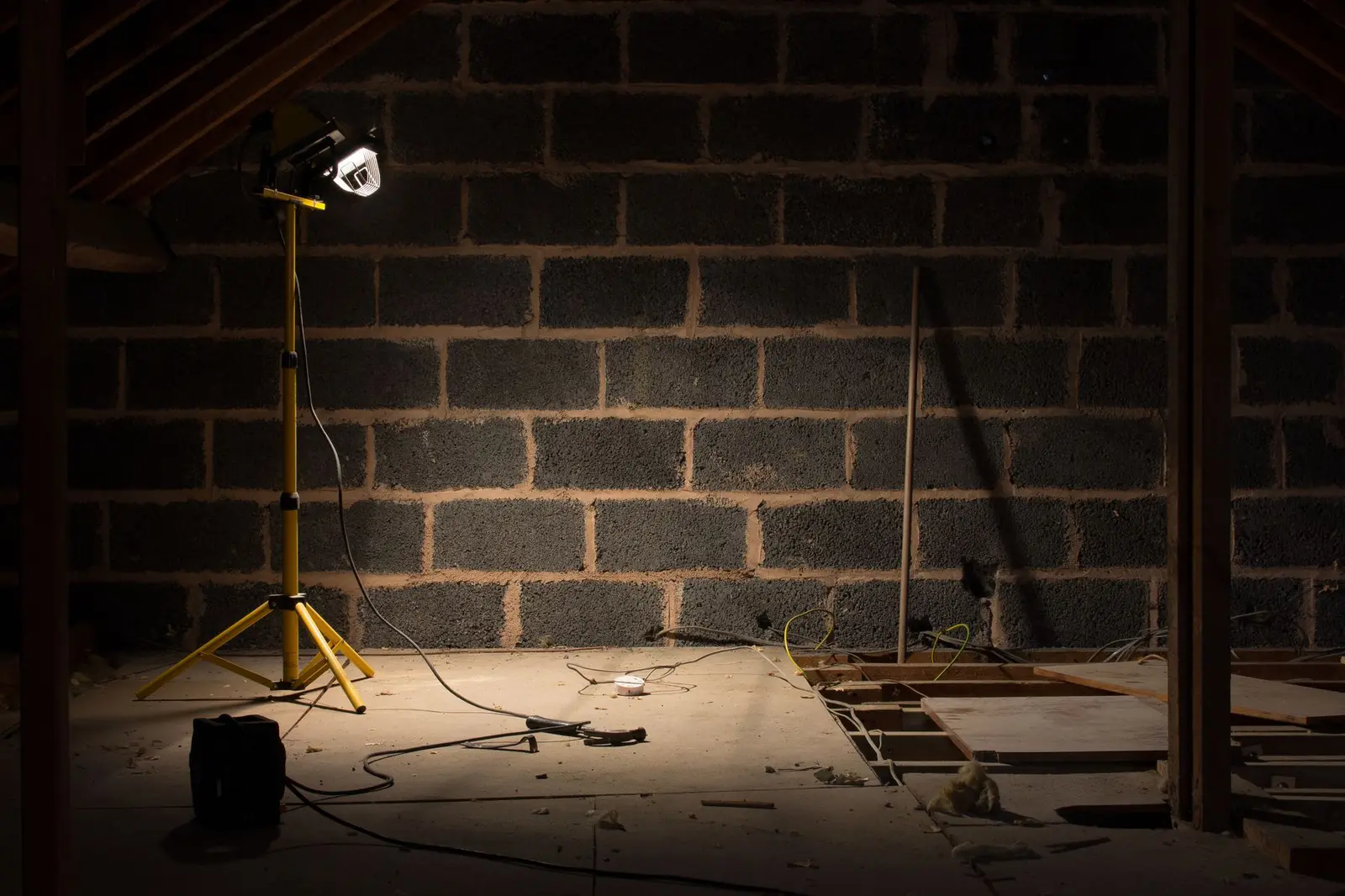
Our guide to rat signs in a crawl space covers a different part of the building. A garage inspection cannot tell you what is happening under the house or inside a wall.
Keeping mice out of the garage vs. mice already in it
A visible gap deserves attention even if you have never seen a mouse. Fresh damage or recurring sightings require a fuller plan. Ask the technician how they will identify the rodent, check the rest of the structure, address animals already inside, and coordinate repairs.
Avoid closing an opening simply because it looks suspicious while active use remains unexplained. The repair sequence matters, especially where the garage connects to living space. A contractor can fix a door; a rodent inspection can help determine which openings and conditions need attention together.
Keep a short record of what you found and what changed. For example: “Seed bag moved into a lidded container September 9; left garage-door corner still has a visible gap.” That is more useful at a follow-up than trying to remember whether the evidence appeared before or after a cleanup.
Build a routine you will keep
After the first inspection, add a quick garage check to trash day. Look at the container lids, spills, and door edges. Recheck after deliveries or seasonal storage changes, when boxes are most likely to hide a developing issue.
Pure Guard provides rodent control and serves homeowners through our Lake Stevens pest control service and surrounding communities. Request an inspection with photos of the gaps or activity you have noticed. We can discuss the next steps for your house instead of treating every garage as the same problem.
If this is happening at your place, our local pages cover what the work looks like in each of our core markets: rodent control in Lake Stevens, Lynnwood rat control, rat and mouse control in Edmonds, rodent control in Woodinville, and Everett rat control.