
You opened a cabinet, lifted a storage bin, or pulled something out of the garage, and there they were: a scatter of small dark specks that were not there last month. Your first questions are probably the same ones everyone has. Is this a mouse or a rat, is it still around, and is it safe to touch?
This guide helps you answer all three. We start with how to tell mouse droppings from rat droppings, then walk through safe cleanup, and finish with a calm section for anyone who already swept or vacuumed them up.
Mouse Droppings vs. Rat Droppings at a Glance
Size is the quickest clue. Cornell’s integrated pest management program says mouse droppings are typically 1/8 to 1/4 inch long, which is about the size of a grain of rice. The same page lists Norway rat droppings at 3/4 to 1 inch and roof rat droppings at about 1/2 inch.
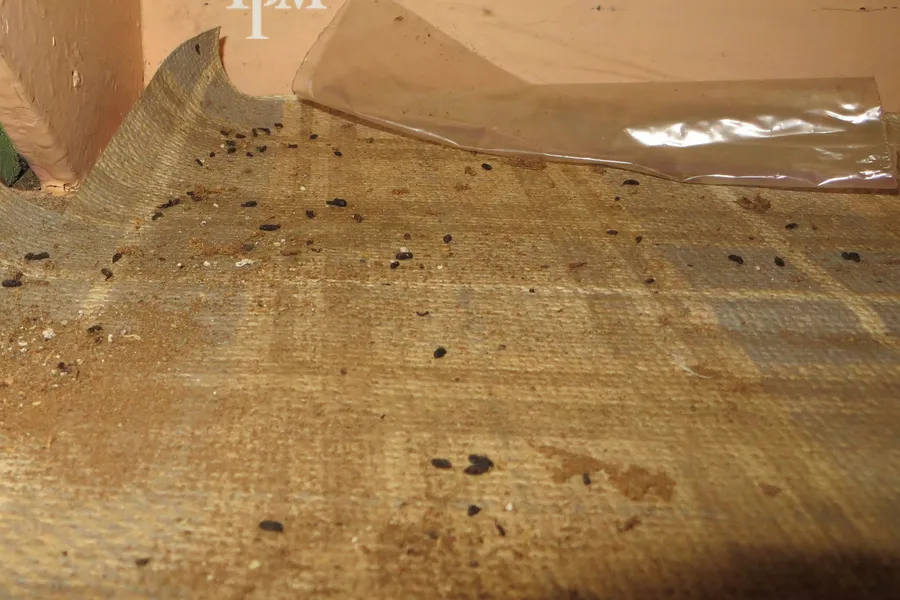 Mouse droppings
Tiny, about 1/8 to 1/4 inch, and spread out in many places.
Mouse droppings
Tiny, about 1/8 to 1/4 inch, and spread out in many places.
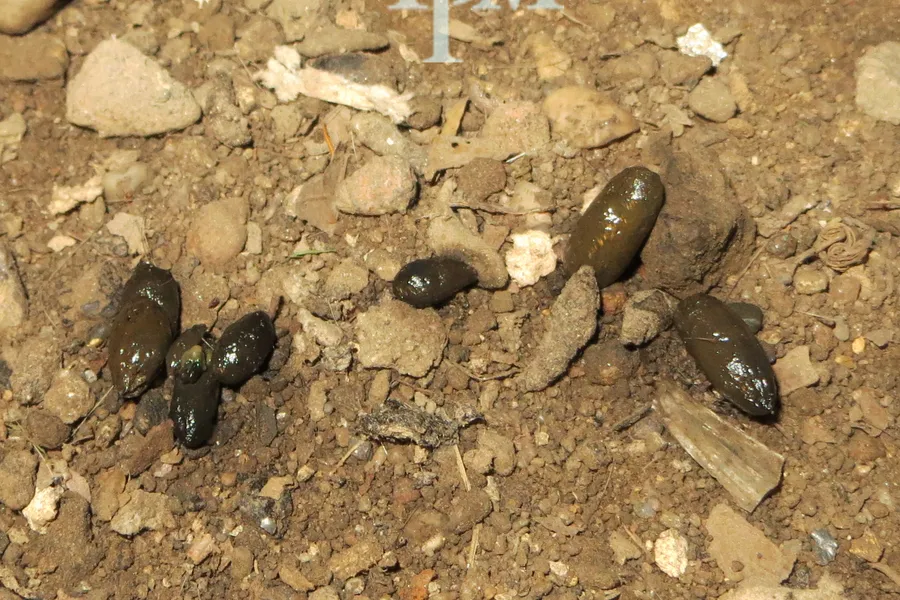 Rat droppings
Much larger (3/4 to 1 inch for a Norway rat), and here fresh and glossy.
Rat droppings
Much larger (3/4 to 1 inch for a Norway rat), and here fresh and glossy.
Here is how the two compare in everyday terms:
- Mouse droppings are small, dark, and look like dark grains of rice. They are usually scattered along walls, in drawers, and behind appliances.
- Rat droppings are several times bigger, closer to the size of a small olive pit at the large end. They tend to turn up in garages, crawl spaces, and along foundations.
- A roof rat or a young rat can leave droppings that fall between those sizes, so measure a few before you decide.
What Do Mouse Droppings Look Like Up Close?
They are dark brown to black, narrow, and small enough that you might mistake them for crumbs of dirt or coffee grounds at first glance. Fresh ones can look slightly shiny, and older ones turn dull and dry out.
The photo above shows what a typical mouse trail looks like on a floor: a handful here, another handful a few feet away. Mice leave droppings as they travel and feed, so expect them in more than one spot.
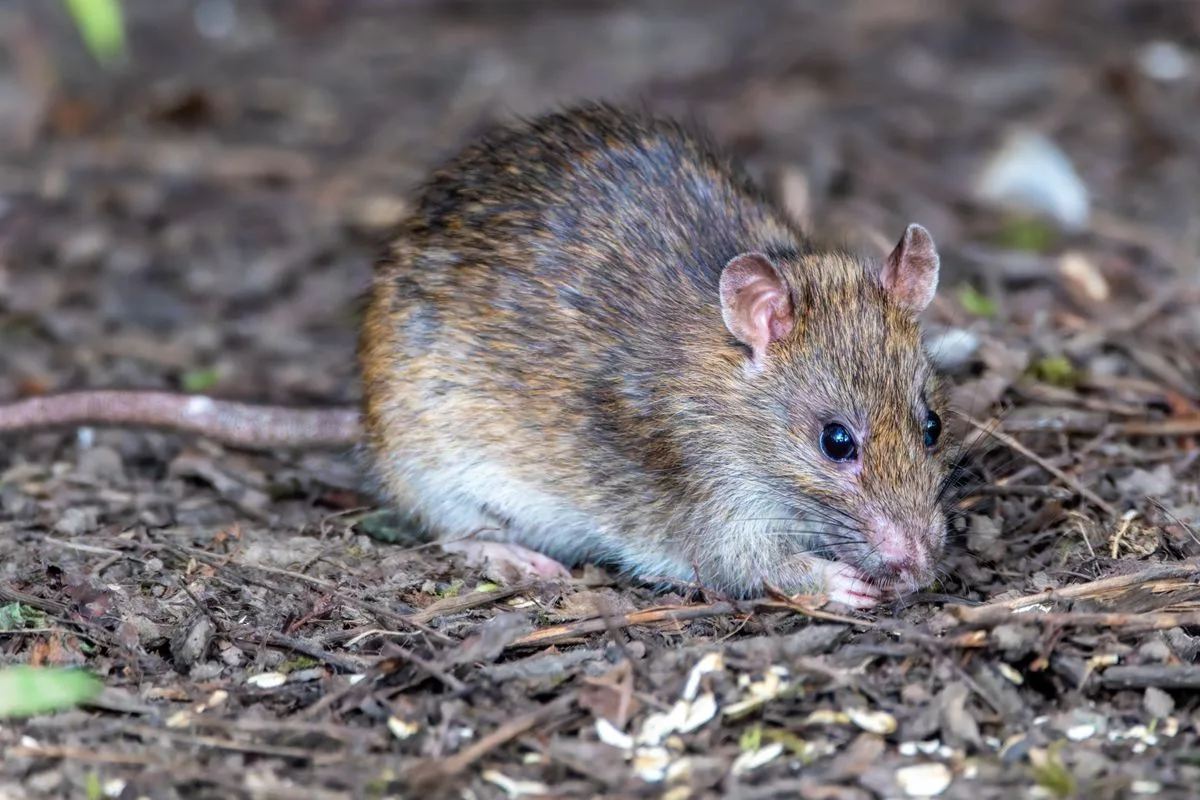
What Does Rat Poop Look Like?
It looks like a dark capsule, roughly the size of a large seed. The Norway rat droppings in the photo are glossy and clustered, which usually means they were left recently. The photographer’s note on the original image makes the same point: when fresh droppings are observed, you have an active infestation.
That is a useful rule for either animal. Dry, dusty droppings may be old. Dark, glossy ones in the same spot that keep coming back mean something is still using that route.
What the Droppings Tell You About Your Home
Once you know which animal left them, you can guess where to look next.
- Mouse-sized droppings in kitchen drawers, pantry corners, or behind the stove: mice are feeding indoors. UC Statewide IPM says droppings, gnaw marks, and tracks show where mice are active.
- Larger droppings in a garage, crawl space, or along a foundation: think rats. Our post on signs of rats in a crawl space covers what else to look for under the house.
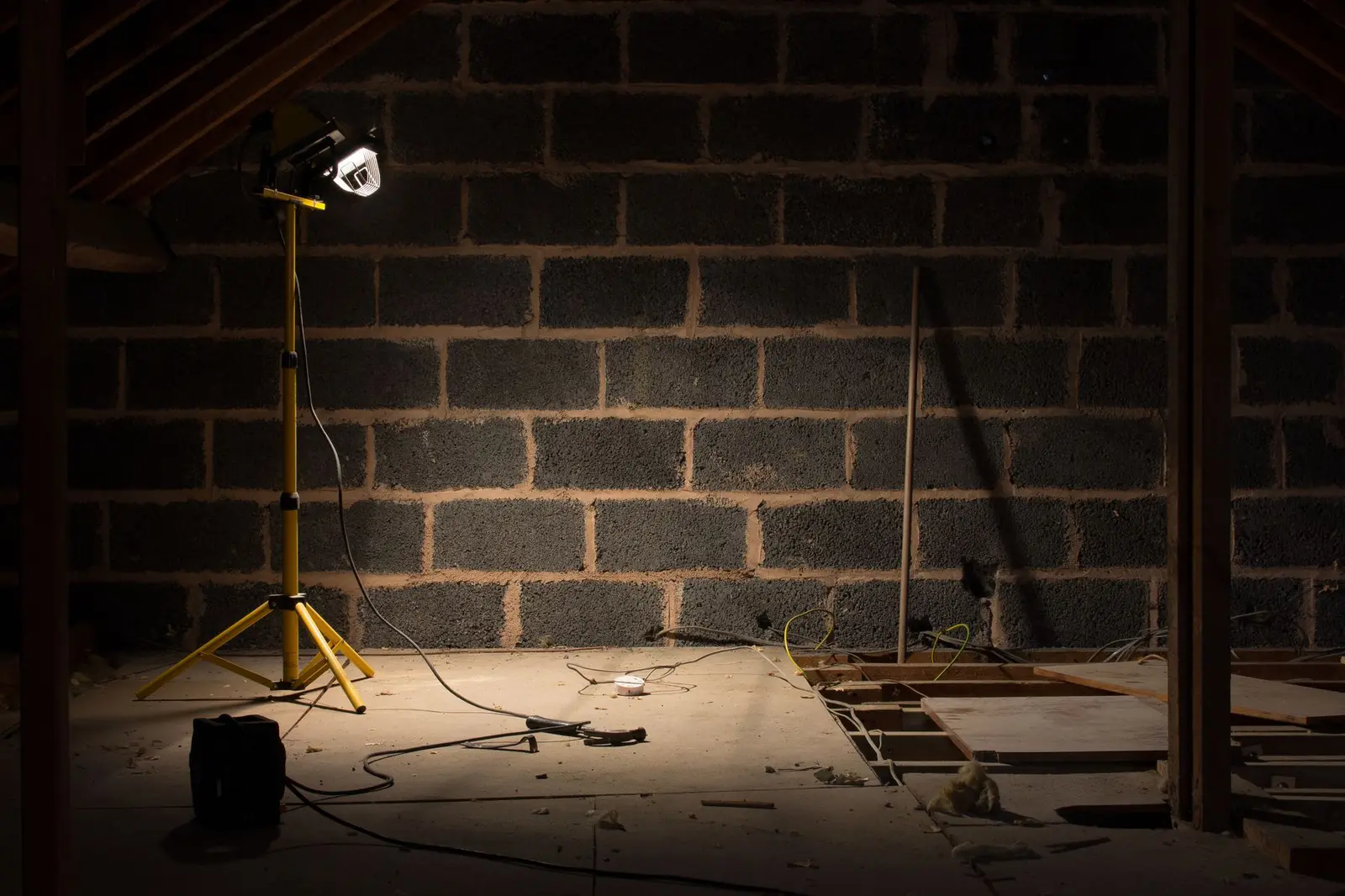
- Droppings in the attic or above a ceiling: see mice or rats in the attic to match them with the sounds you hear.
- Droppings in a storage shed or cabin: in Washington, deer mice are the main hantavirus carrier, so use extra care when you clean (more on that below).
A lot of droppings spread across several rooms suggests a larger or longer-running problem. A few in one corner may be a single visitor. Either way, the real fix is finding how they got in. If you want help working that out, our rodent control service starts with an inspection.
How to Clean Up Mouse Droppings Safely
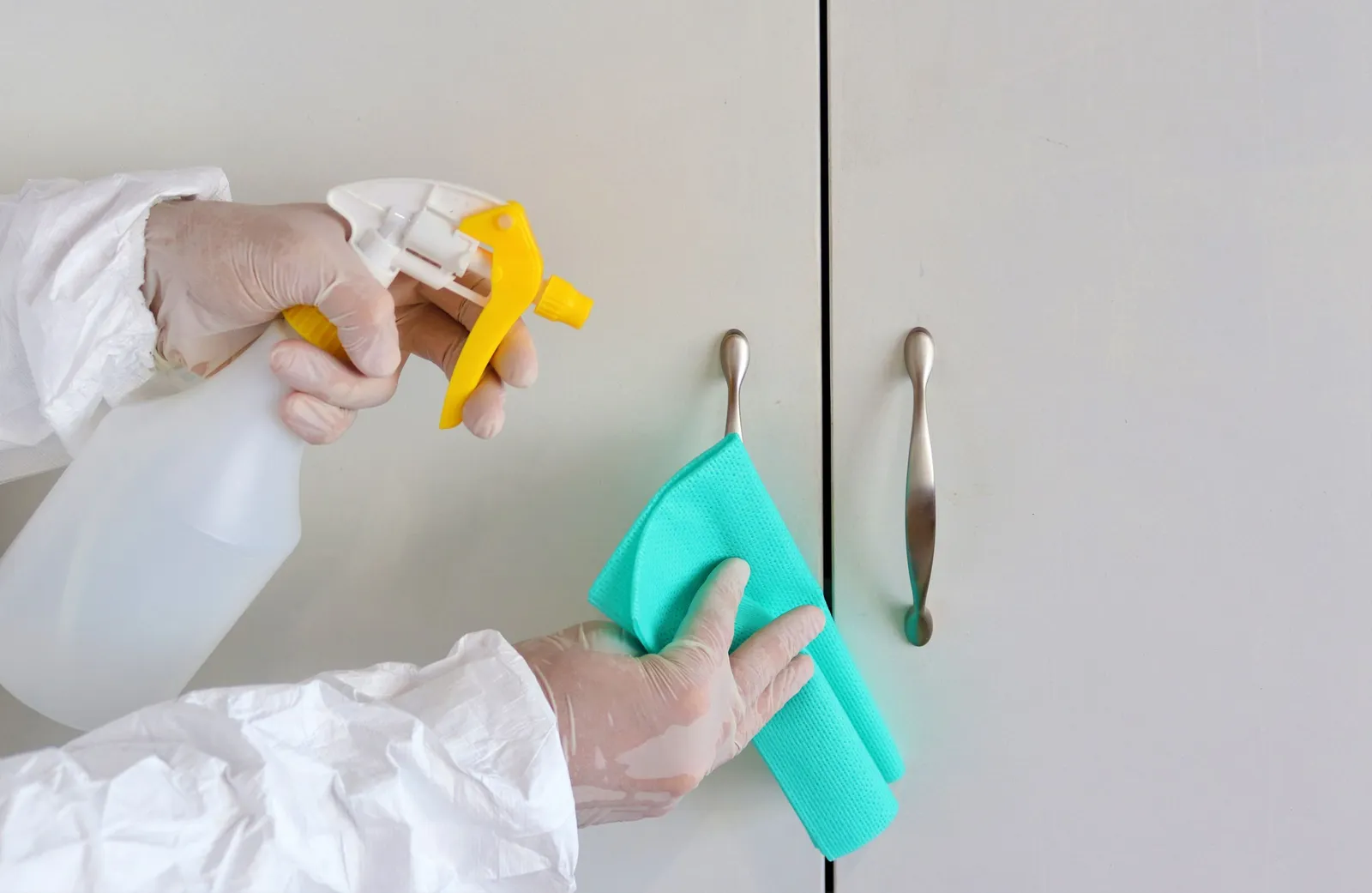
The Washington State Department of Health says hantavirus spreads mainly when people inhale dust contaminated with rodent urine or droppings. That is why the cleanup order matters. These steps come from the Washington State Department of Health and the CDC’s rodent cleanup guidance.
- Air out the space. Open doors and windows and leave the area for at least 30 minutes before you start.
- Put on rubber or plastic gloves. Heavy infestations call for extra protection, so call a professional if the mess is large.
- Mix a disinfectant. Use an EPA-registered household disinfectant, or a fresh bleach solution of 1 part bleach to 9 parts water (about 1.5 cups per gallon).
- Soak everything first. Spray droppings, nests, and any dead rodents until they are very wet, and let the solution sit for about 10 minutes (or as the product label says).
- Wipe up with paper towels. Do not scrub dry. Put the towels in a bag, seal it, then put that bag in a second bag and into a covered trash can.
- Disinfect the surface. Mop or sponge hard floors and wipe counters, shelves, and drawers.
- Wash your gloved hands, then your bare hands. Use soap and warm water.
For fabric, the CDC says to wash bedding and clothing in hot water with detergent and to shampoo carpets and upholstery with a commercial disinfectant.
Please Don’t Sweep or Vacuum Droppings
It is the most natural thing in the world to grab a broom. Both agencies ask you not to. The Washington State Department of Health says don’t vacuum, sweep, or stir up dust in and around rodent contaminated areas. The CDC explains that sweeping or vacuuming can send virus-containing droplets into the air.
A dust mask helps a little, but the state notes it does not protect against viruses. Wet the droppings first, every time.
What Are the Chances of Getting Sick From Mouse Droppings?
Most people who find droppings never get sick from them, and hantavirus is rare. The Washington State Department of Health says typically one to five cases are reported each year in the state. It is serious when it happens, which is why the cleanup steps above are worth following exactly.
The state says infected deer mice live throughout Washington and that people usually get infected by breathing contaminated dust, especially while cleaning droppings or nests. Deer mice shed the virus in urine, saliva, and droppings, and they do not get sick themselves. Mouse droppings can also carry other germs, so the gloves and disinfectant matter whether or not hantavirus is in your area.
I Accidentally Vacuumed Mouse Droppings. Now What?
It happens all the time, and you are not alone. Most people do it before they have heard the guidance. Here is what the health authorities say, without the panic.
- Air the room out. Open windows and doors and stay out for at least 30 minutes, as the cleanup steps above recommend.
- Follow up with wet cleaning. Once the room has aired out, use the disinfectant steps to clean the area.
- Know the timeline. The CDC says symptoms usually start 1 to 8 weeks after contact with an infected rodent. Early signs are tiredness, fever, and muscle aches, especially in the thighs, hips, back, and sometimes shoulders. Headaches, dizziness, chills, and stomach trouble are also possible.
- Call a doctor if you feel ill. The Washington State Department of Health says to see a health care provider right away if you have fever, muscle aches, or severe shortness of breath after exposure to deer mice or mouse-infested buildings, and to mention the possible exposure. Call 911 or go to an emergency room for trouble breathing.
Having vacuumed droppings does not mean you will get sick. It does mean you can stay watchful for the next couple of months and let your doctor know what happened if symptoms appear.
How to Stop New Droppings From Showing Up
Cleaning removes the evidence, but it does not remove the reason. Droppings come back until the animals cannot get in.
The Washington State Department of Health says mice can squeeze through openings as small as a quarter of an inch, so sealing matters. It also recommends tight-lidded food containers and snap traps, which it calls an inexpensive and effective way to control mice and rats. Our guide to keeping mice out of the garage goes into more detail.
When to Call Pure Guard
Call if droppings keep appearing after you clean, if you find them in more than one room, or if you are not sure which animal you have. We are a family-owned company in Lake Stevens, licensed by the WSDA (license #112338), and our rodent work starts by finding the entry points. We seal what we find and trap inside the home. We use trapping rather than bait indoors.
A booked visit means someone is out within 48 hours, and you get a text about 30 minutes before the truck arrives. We have local pages for Everett, Lynnwood, Edmonds, Woodinville, Snohomish, Issaquah, and Bellevue.
To get started, request an inspection and send a photo of what you found.
Frequently Asked Questions
How can I tell if mouse droppings are fresh?
Fresh droppings look dark and slightly glossy, and old ones turn dull and dry. The safest test is to clean up what you find (wet first) and see whether new ones appear in the same spot over the next few days.
Is it safe to touch mouse droppings with bare hands?
No. Wear rubber or plastic gloves, wet the droppings with disinfectant, and wash your hands with soap and warm water afterward.
Do mice and rats leave droppings in the same places?
Mice tend to leave small droppings in many spots as they feed and travel. Rat droppings are larger and often turn up in garages, crawl spaces, and along foundations.
If this is happening at your place, our local pages cover what the work looks like in each of our core markets: rodent control in Lake Stevens, Lynnwood rat control, rat and mouse control in Edmonds, rodent control in Woodinville, and Everett rat control.
.jpg)
.jpg)