It usually starts at bedtime. The house goes quiet, the furnace kicks on, and somewhere over your head something scurries across the ceiling. If that sounds familiar, you are probably dealing with mice in the attic, or rats, and the first job is figuring out which one, because the plan is different for each.
Every fall, homeowners across Snohomish and King County start hearing it once the nights turn cold and the rain comes back. Here is how to read the sounds, what the evidence in the attic is telling you, and what to do (and not do) before anyone climbs up there.
What Mice in the Attic Sound Like
Mice are light. You will hear quick scratching, tiny scampering, and the occasional brief skitter that stops as fast as it started. The sounds often run along the edge of a room or inside the wall, and they tend to come in short bursts at night. UC Statewide IPM notes that mice are most active after dark, though you may see one in daylight too.
Mice also like to nest in quiet, out-of-the-way corners, using shredded paper, fabric, or insulation. If you hear scratching that seems to hold in one spot for a few nights, there may be a nest nearby.
Because they are small, mice can use a gap you would never notice. The Washington State Department of Health says mice can squeeze through openings as small as a quarter of an inch. That is about the width of a pencil.
What a Rat in the Attic Sounds Like
A rat in the attic is heavier and louder. You will hear thumping, running, and sometimes a dragging sound, especially around dusk and again before dawn. Rats often follow the same route every night, so the noise tends to travel the same line across the ceiling.
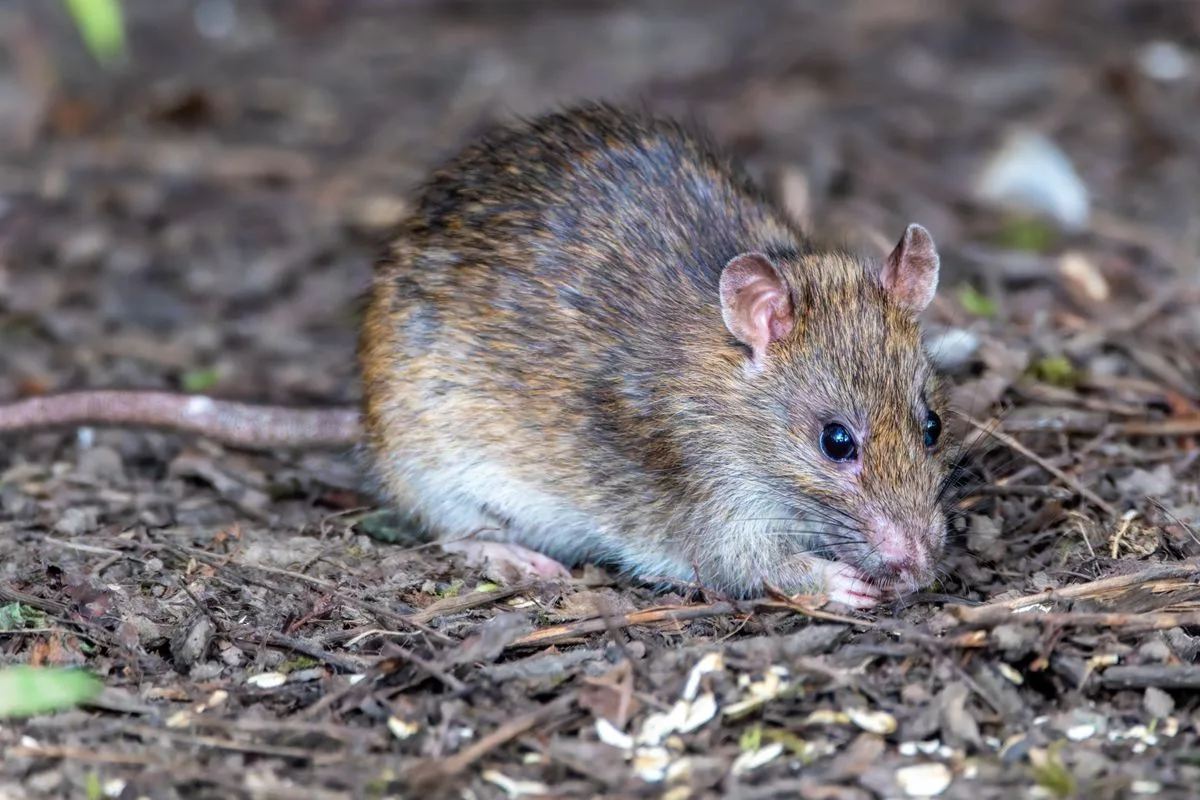
In our part of Washington, the rat you hear overhead is usually a roof rat. Roof rats climb. They use tree limbs, fences, and utility lines to reach the roofline, and they come in through gaps at the eaves, vents, and roof penetrations. Norway rats stay low and are more likely to be in a crawl space or garage.
If the noise is a heavy thump and the house has trees touching the roof, treat it as a rat until proven otherwise.
Reading the Droppings
What you find in the attic tells you as much as what you hear. Droppings are the easiest clue, and the size gives the animal away.
- Mouse droppings are small and dark, about the size of a grain of rice.
- Rat droppings are larger, around half an inch long.
- Fresh droppings look dark and moist, and old ones are gray and crumbly. A pile that keeps growing means the animal is still there.
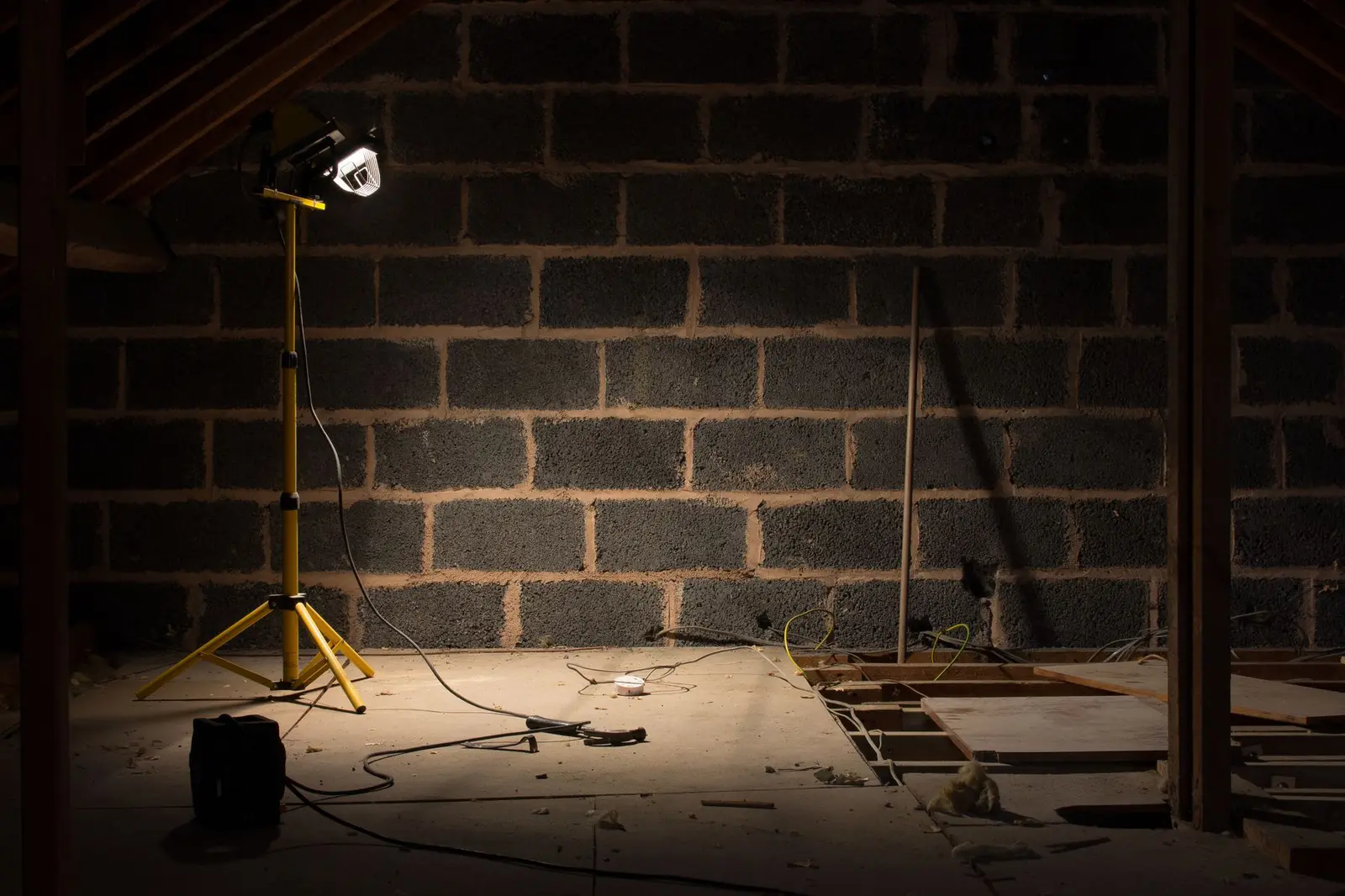
Look for other signs too: gnawed wires or boxes, greasy rub marks along beams, shredded nesting material, and a musky smell. A flashlight from the attic hatch is plenty. You do not need to crawl through insulation to learn what you have.
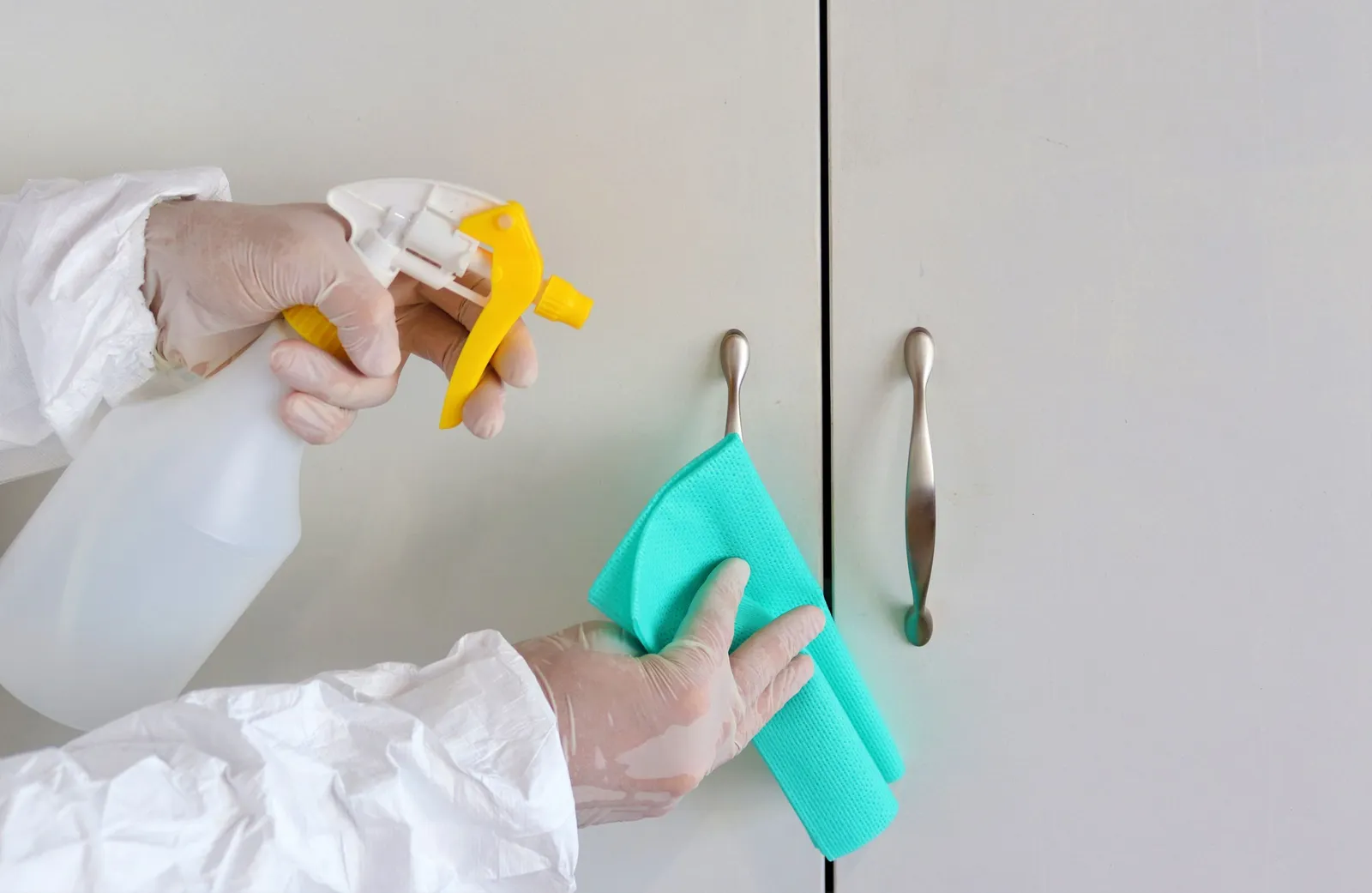
Please do not sweep or vacuum droppings, even if it is tempting. Deer mice are the main carriers of hantavirus in Washington, and the state health department says the risk comes from stirring up dust from droppings and nests. We cover the safe cleanup steps on our Everett rodent control page.
Could It Be Something Else?
Sometimes the noise is not a rodent at all. Squirrels are active in the daytime, so scampering at 10 a.m. points away from mice and rats. Raccoons are much heavier and louder. Birds fluttering near a vent make a flapping sound that is easy to tell apart from claws.
Even then, it is worth a look. A bird or a squirrel got in through an opening, and so can a mouse.
Timing helps. Noise at night, with quiet during the day, is the classic pattern for rodents. If you are unsure, jot down the time, the location, and what it sounds like. We can use those notes before we ever get to your house.
How They Get In
Attics do not have doors, so something let them in. For rats, the usual spots are the roofline, where branches touch the eave, and old vents with torn or missing screens. For mice, the answer is often lower, around the foundation, garage door, or a pipe or cable that passes through the siding, and they climb the inside of the wall from there.
That is why an attic problem is often not an attic problem. The animals may have entered at the crawl space or garage and traveled up through the wall. Our guides on why rats get in during fall and keeping mice out of the garage cover the ground-level entry points, and signs of rats in a crawl space explains the other end of the same route.
How to Get Rid of Mice in the Attic
The order of the work matters more than the products. Here is how a rodent job should go, whether you hire someone or not.
- Find every way in first. If you set traps before the house is sealed, new rodents just keep arriving.
- Seal the gaps. Small holes can be filled with steel wool and caulk, and larger ones need hardware cloth or metal. The state health department recommends sealing every gap and hole into your home for exactly this reason.
- Trap what is already inside. Snap traps work well for both mice and rats, but rats are cautious, and the state notes it can take several days before a rat goes near a trap.
- Return to check. Traps need to be checked and cleared, and the seal should be confirmed.
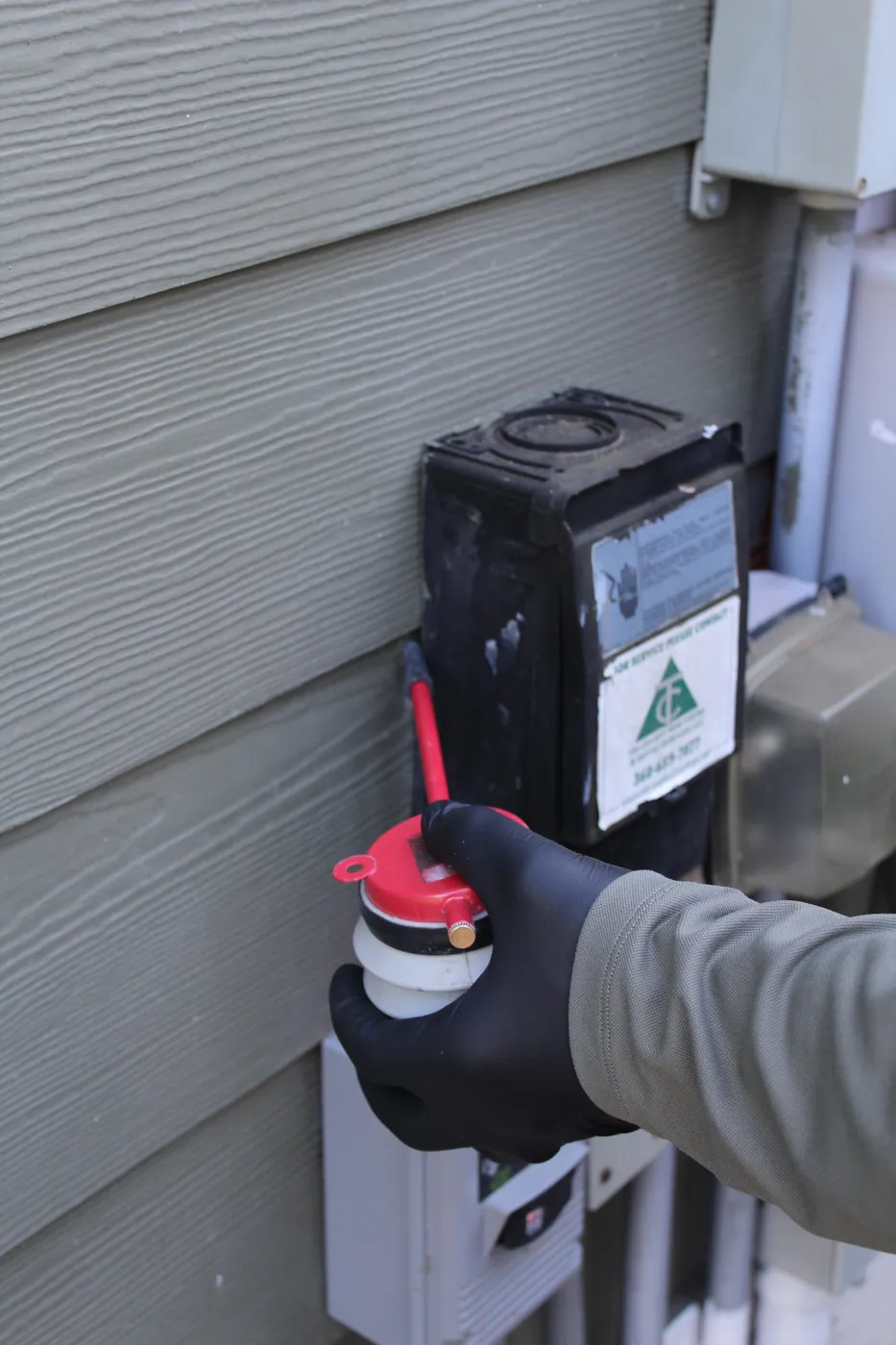
This is how we work at Pure Guard. We look for the entry points first, close what we find, and trap inside the house. We use trapping rather than bait indoors, so you are not left with an animal that dies somewhere in a wall.
What Not to Do
A few popular fixes make things worse.
- Do not use poison in the house. An animal that eats it can die inside a wall or ceiling, and you will smell it for weeks.
- Do not rely on sound or ultrasonic devices. UC IPM reports that there is little evidence that sound devices drive established mice or rats from buildings.
- Do not plug a hole while the animal is inside. You can trap it in the wall, which only moves the problem.
- Do not skip the outside. Anything you do in the attic alone leaves the real problem, the opening, untouched.
What You Can Do This Week
You can take some pressure off before anyone arrives.
Trim branches so nothing touches the roof, and pull ivy off the siding. Bring in bird seed and pet food at night. Pick up fallen fruit. Stack firewood off the ground and away from the house. Check the garage door seal. Then write down when and where you hear noises, and take photos of anything you find from the attic hatch.
None of this replaces sealing the house, but it makes the house less attractive while you wait for an appointment.
When to Call a Rodent Control Company
Call if the noise has gone on for more than a couple of nights, if you see droppings, or if the sound is heavy enough to suggest rats. Do not wait for the winter. Rodents that move in during the fall settle in and breed, and the problem gets harder to solve.
Our rodent control service starts with an inspection. Someone is out within 48 hours, you get a text about 30 minutes before the truck arrives, and you leave the visit knowing which rodent it is and how it got in. If you tell us what you have heard and where, we can plan the visit around it. We also have local pages for Lynnwood, Edmonds, Woodinville, Snohomish, Issaquah, and Bellevue.
When you are ready, request an inspection and include any photos or notes about the noise.
We handle this across Snohomish and King County, and the city pages go into the local detail for Lake Stevens rat control, rat and mouse control in Lynnwood, rodent control in Edmonds, Woodinville rat control, and rat and mouse control in Everett, including how fast we can get there.