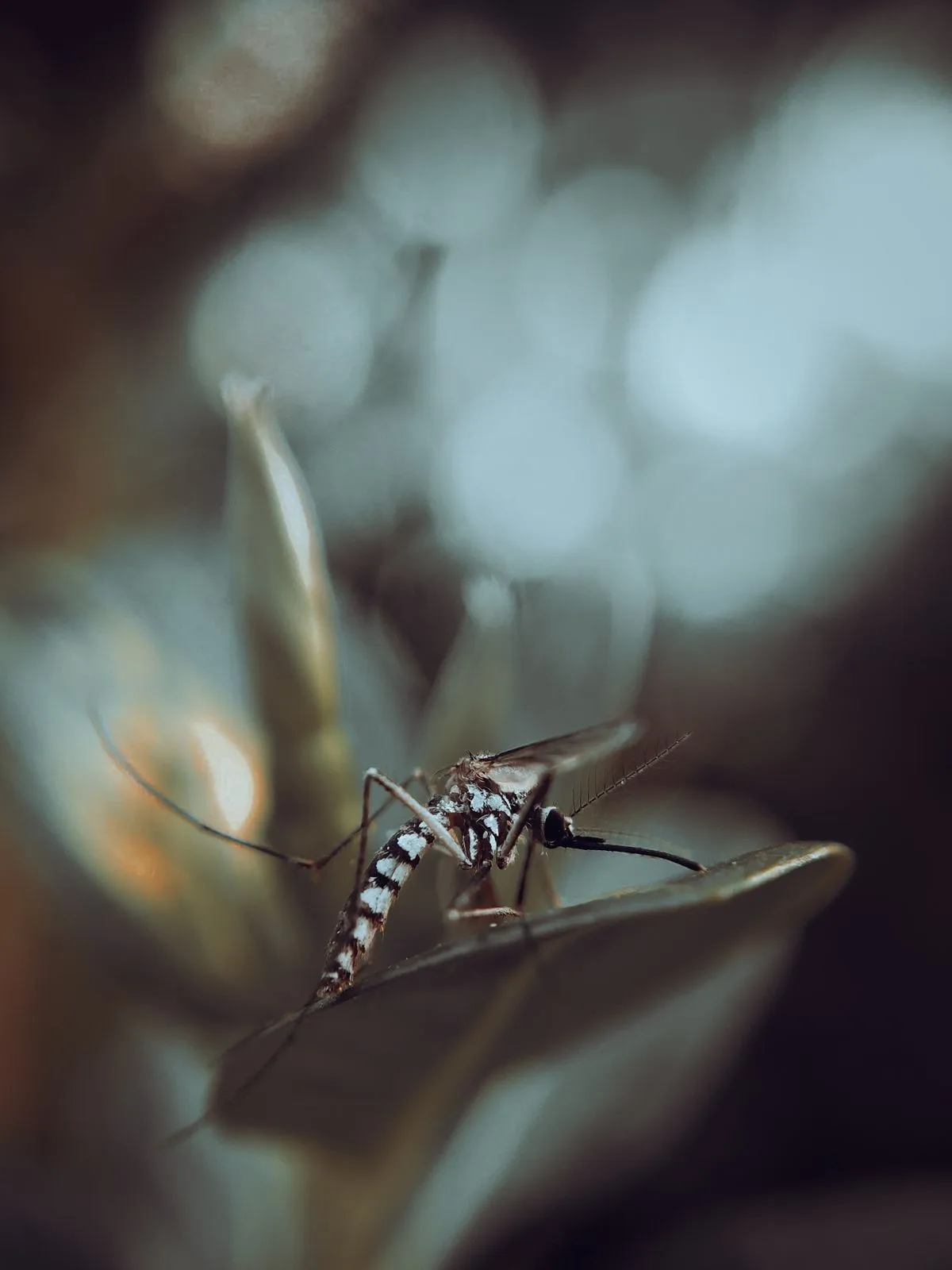
People are always a little surprised to have a mosquito problem up here. The Pacific Northwest has a reputation for being too cool and too damp for the kind of mosquito misery you hear about in the South. But anyone who has tried to eat dinner on the patio in July knows the reputation only goes so far. We get mosquitoes, and in the right backyard they can make the whole summer unpleasant.
Why the PNW isn’t mosquito-free
Mosquitoes don’t need a swamp. They need standing water and a few warm weeks, and our summers give them both. The wet spring leaves water sitting everywhere, then the warm, still evenings of July and August are prime mosquito weather. Western Washington has dozens of mosquito species, and the ones that bother you most are the ones that breed in the small, overlooked pockets of water right around your house.
The good news is that mosquitoes are weak fliers and they don’t travel far from where they hatched. If your yard is bad, the source is almost always your yard or your immediate neighbor’s. That also means the problem is more fixable than people expect.
It always comes back to standing water
A mosquito goes from egg to biting adult in about a week to ten days, and it only needs a small amount of water to do it. We’re not talking about ponds. A bottlecap of water is enough for some species. So when a yard has a mosquito problem, the first thing we do is hunt down every spot holding water.
The usual culprits around Snohomish County homes:
- Clogged gutters holding a shallow strip of water all summer
- Plant saucers, buckets, wheelbarrows, and kids’ toys left out in the rain
- Tarps, boat covers, and trash-can lids with a low spot that pools
- Corrugated drain extensions and french drains that don’t fully empty
- Birdbaths and pet bowls that don’t get refreshed
- Old tires, which are basically mosquito factories
- Tree holes and clogged low spots in the landscaping
Tip the water out of all of it and you’ve already cut the population more than any spray will.
What actually works, and what doesn’t
The candles and clip-on gadgets people buy do very little for an actual yard problem. They might help right where you’re sitting for a bit, but they don’t touch the population.
What works is a two-part approach: eliminate the breeding sources, then treat the resting areas. Adult mosquitoes spend the heat of the day hiding in cool, shaded vegetation, the underside of leaves, dense shrubs, and shady fence lines. A treatment timed to those resting spots knocks down the biting adults, and clearing the standing water keeps the next generation from replacing them. One without the other is a short-term fix.
The season matters too. Mosquito pressure here builds through late spring and peaks in the warm stretch from roughly June through August, so the most effective programs start treatments before the population is at full strength rather than chasing it in August.
When to bring us in
If you’ve emptied every container in the yard and you’re still getting eaten alive at dusk, the breeding source is probably somewhere you can’t easily reach or a neighbor’s, and the resting adults need treating. That’s where we come in.
Our mosquito control pairs yard fogging of the resting areas with breeding-source elimination, calibrated to the season so it’s heavier in the peak months and not wasted in the cool ones. Give us a call at (425) 332-6566 or tell us about your yard, and we’ll get your evenings back.