
North Sound · 40 min northwest of Lake Stevens HQ

Pest control in
Stanwood, WA.

Stanwood is where the suburbs meet working farmland, and with newer subdivisions going up right next to the fields, mice are pretty much inevitable come fall.

Call now (425) 332-6566

Get a free Stanwood quote

Step 1 of 3

What's the pest problem?

Pick all that apply.

Pest control in Stanwood, WA

Stanwood sits where the Stillaguamish River meets Port Susan, and the town splits in two by elevation. The old downtown and the diked farmland around it sit only a few feet above sea level on the river delta, while newer neighborhoods climb the hill to the east. Pest pressure changes with the ground.

Down low, it is field mice and rats coming off harvested and waterlogged farmland. Up the hill, it is subdivisions cut out of old fields and forest, with construction gaps and bark beds that ants move right into. Pest control in Stanwood has to cover both, plus the yellow jackets that build along the river and field edges every summer.

Rodent Control in Stanwood

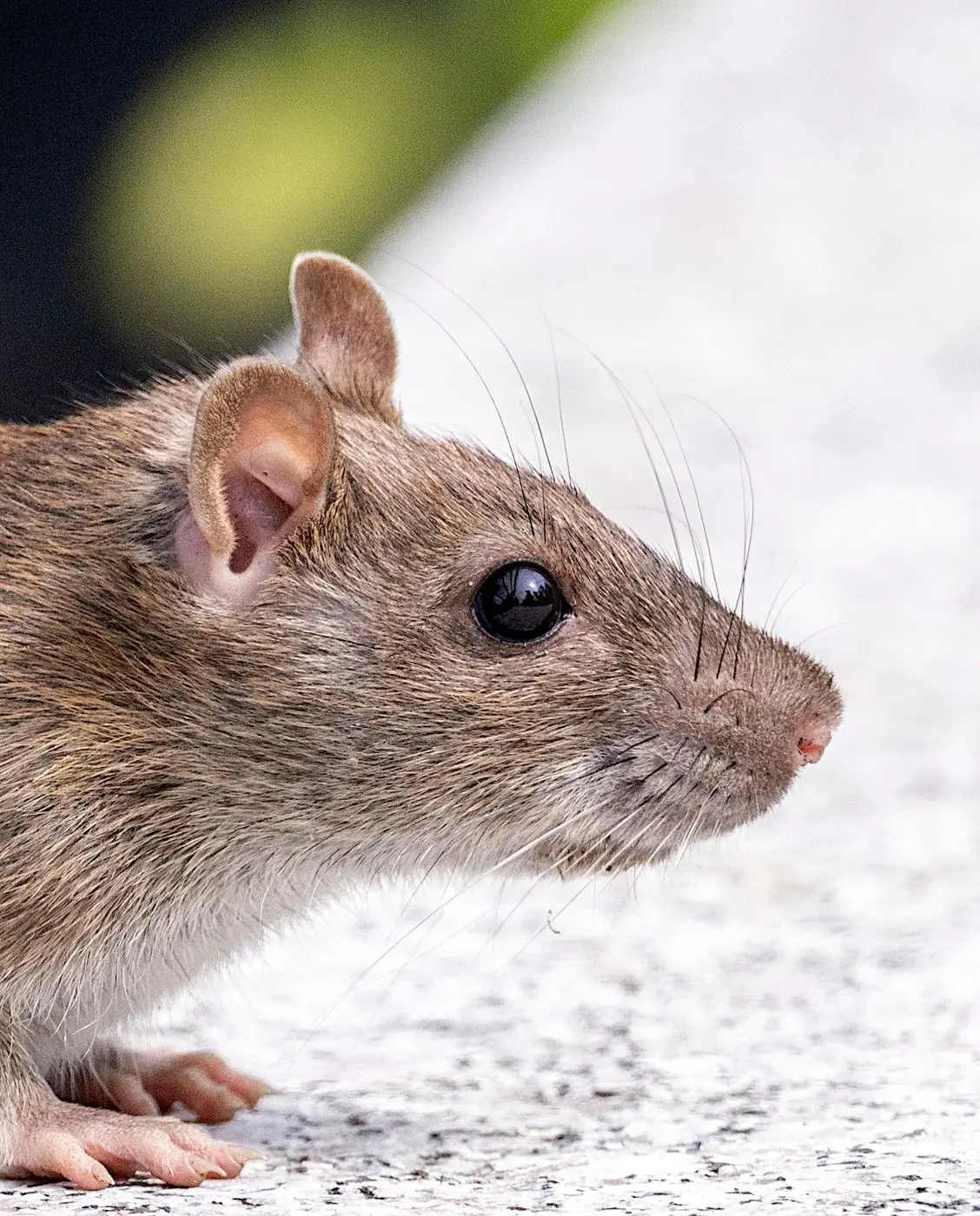
Mice off the Stillaguamish delta farmland

The farmland west and north of town is flat, diked and wet, and in fall the fields are harvested and then soaked or flooded by winter rain. Mice and rats that spent the summer in the crops and ditches head for high, dry shelter. Homes on the edge of town and subdivisions built right up to former fields catch that movement first.

Rodent control in Stanwood is most effective in late summer, before harvest. We seal gaps a quarter inch and up with hardware cloth, sheet metal, mortar or copper mesh, set tamper-resistant bait stations outside and snap traps inside, and return to check and remove. Watch for droppings in the garage, chewed insulation in the crawl space and noise in the walls at night.
Ant Control in Stanwood

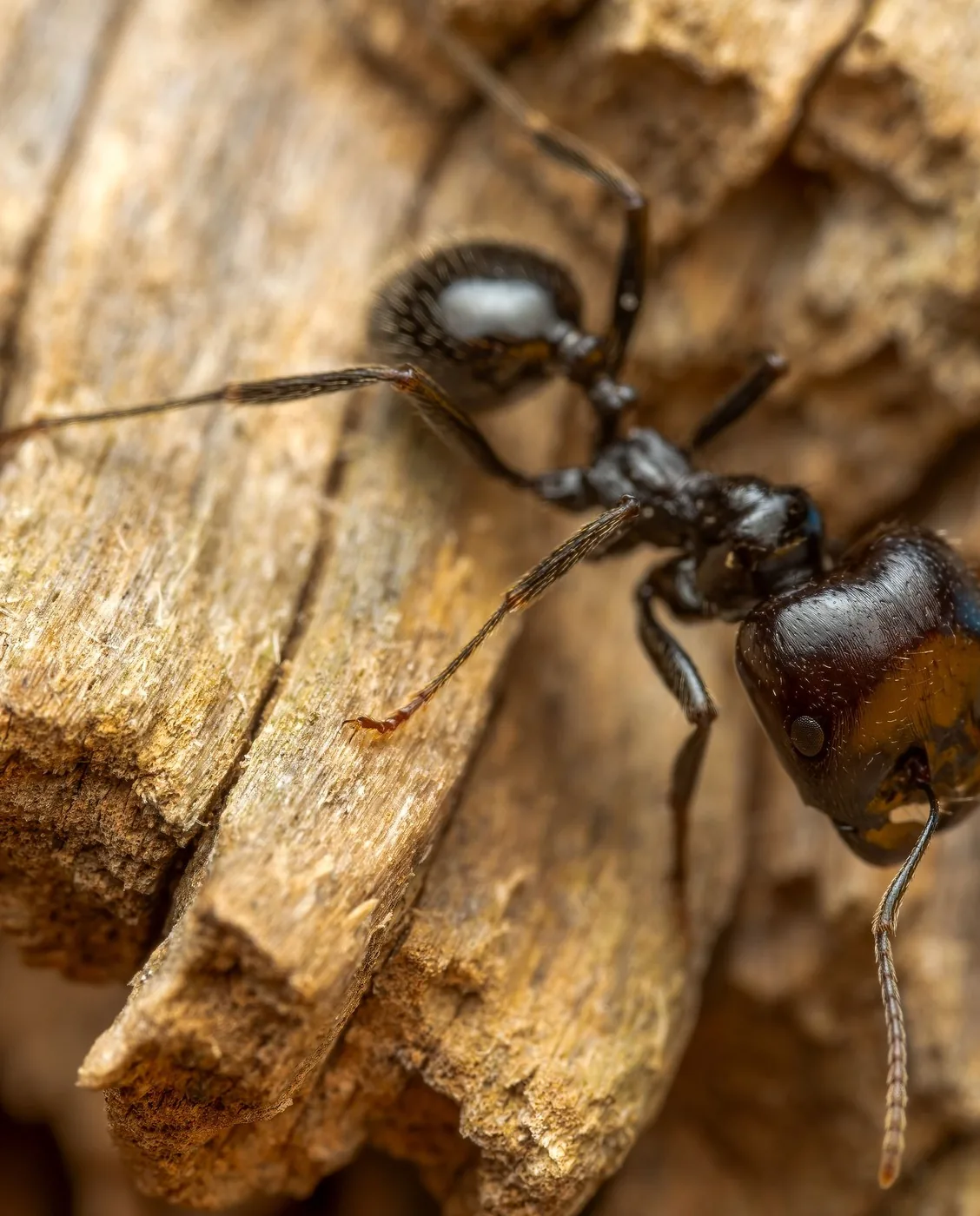
Ants in Stanwood's newer hillside subdivisions

The newer neighborhoods on the east hill were cut from pasture and forest, and the ant colonies that lived there did not leave. Fresh bark beds against the siding, irrigated lawns and landscape timbers give odorous house ants and carpenter ants easy places to nest right next to the foundation, and new construction leaves gaps around plumbing and wiring for them to follow inside.

We identify the species before treating. Odorous house ants trailing to the kitchen get baited, since spraying splits the colony. Carpenter ants get the parent nest and satellites found and treated. Keep bark a few inches below the siding, trim shrubs off the walls, and watch for ant trails along the foundation and in the garage.

Wasps & Bees in Stanwood

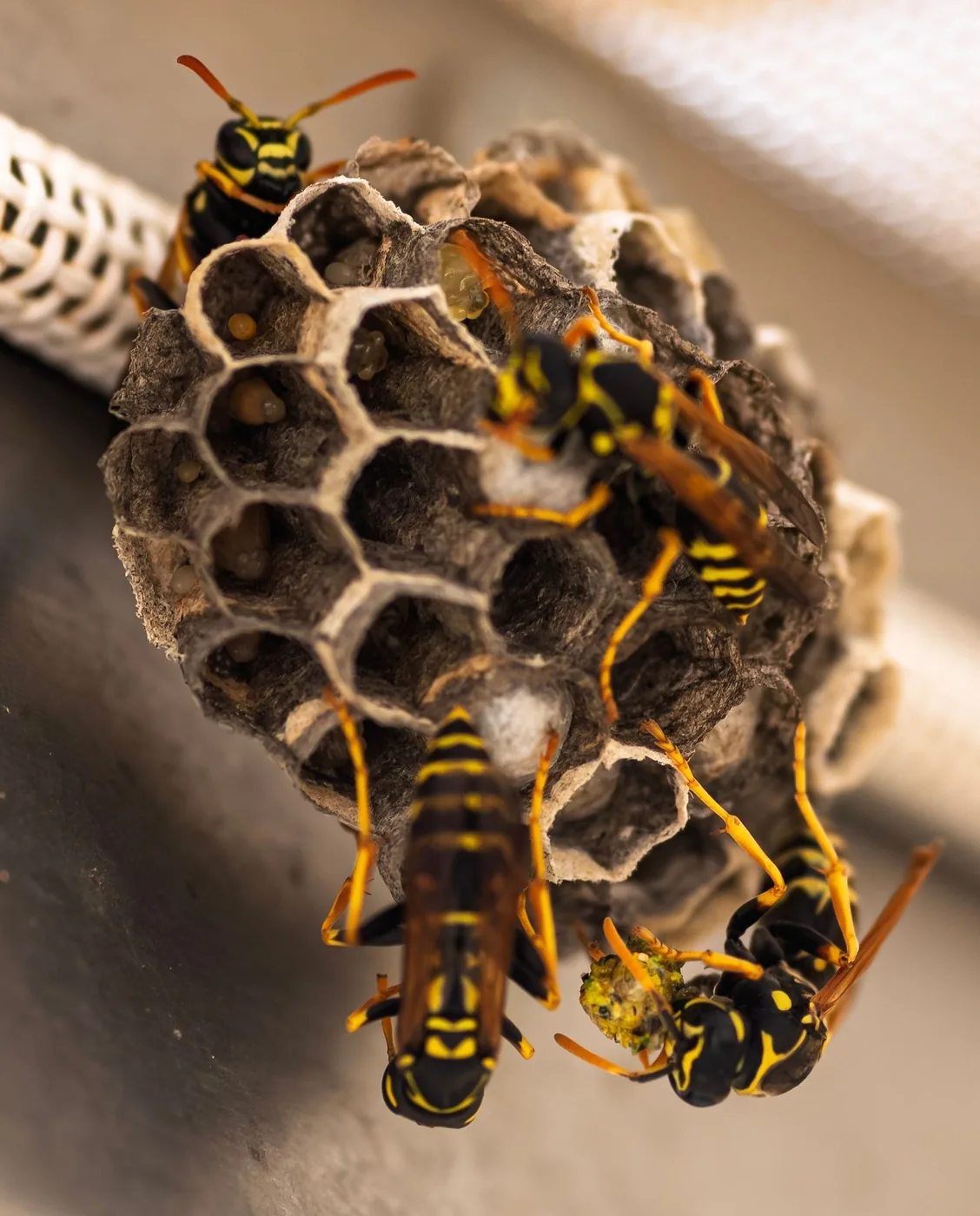
Yellow jackets along the Stillaguamish and field edges

River banks, drainage ditches, hedgerows and field margins around Stanwood are prime yellow jacket ground. They nest in old rodent burrows, under landscape timbers and in wall voids, while paper wasps build under eaves and deck railings. Nests start small in spring and are at their largest and most aggressive in late summer.

We treat nests at dusk or dawn, while the colony is inside, and treat the void or entry so a new colony does not move back in. Honey bees are never killed; we refer those to a local beekeeper. Watch for a steady line of wasps going in and out of one spot in the lawn or siding, and keep kids and pets clear until it is treated.

From the call to the follow-up

Hiring a Stanwood exterminator

Calling Pure Guard as your Stanwood exterminator gets someone out within 48 hours, with a text about 30 minutes before we pull up. On a newer home the inspection focuses on utility penetrations, garage door corners and foundation vents. On an older downtown house or farmhouse we look harder at settled foundations and crawl space moisture. You get a clear plan for what we are treating and sealing, and we come back to check traps.

Licensed
WSDA Commercial Applicator #112338
Response
Someone out within 48 hours
Warranty
Re-treatments at no charge

What changes the job here

Older homes on the flats, newer homes on the hill

Downtown Stanwood and the old East Stanwood blocks have older homes on low ground, and much of downtown lies in the Stillaguamish floodplain. Crawl spaces there stay damp and can take water in a wet winter. A soggy crawl space with a failing vapor barrier draws rodents and softens framing, and our crawl space service replaces it with a new 6-mil barrier after hauling out the old one and rodent-proofing the vents.

Up the hill, homes from the 1990s onward are tighter, but they sit in fresh landscaping with gaps at utility lines, dryer vents and garage doors. Rural properties around town add barns and shops, which need to be part of any rodent plan.

Across Stanwood

Stanwood neighborhoods and what they deal with

Downtown Stanwood
Older homes on the delta flats in the floodplain, where damp crawl spaces and nearby fields keep rodent pressure high.
East Stanwood
The old railroad-town blocks east of downtown, with older homes and settled foundations that let mice and carpenter ants in.
East hill subdivisions
Newer neighborhoods above the floodplain, where construction gaps and bark beds bring ants and mice in the first few years.
Church Creek drainage
Homes near the creek corridor live with damp soil and brush that keep rodents and ground-nesting yellow jackets close.
Farmland toward the river mouth
Rural homes on the diked delta ground west of town catch the heaviest fall mouse movement when the fields are cut and flooded.

Through the year

The Stanwood pest year, season by season

Spring
Ant colonies wake up in the bark beds of the newer subdivisions, and trails to the kitchen start in March and April.
Summer
Yellow jackets build in ground holes along field edges and in wall voids, reaching peak size in August.
Fall
Harvest and the first heavy rain send mice off the delta farmland from late September on.
Winter
High water on the Stillaguamish saturates the low ground and pushes rodents toward any dry structure, including crawl spaces downtown.

Questions, answered

Pest control in Stanwood, the common questions.

My house is brand new. Why do I have mice?

New construction is rarely sealed against rodents. Plumbing, gas and electrical penetrations, garage door corners and foundation vents often have gaps well over a quarter inch, and many subdivisions here were built on ground where mice already lived. Sealing those gaps in the first year or two, before a colony gets comfortable, is the fix.

Is my downtown crawl space too wet to treat?

Usually not. We can still inspect, seal and trap. If the vapor barrier is soaked, torn or soiled, the crawl space service replaces it: the old barrier and contaminated insulation come out, vents and gaps get rodent-proofed, and a new 6-mil barrier goes down. Standing water from high groundwater or flooding needs a drainage fix, which is a separate trade.

How do you tell whether a nest in the ground is yellow jackets or honey bees?

We identify it before doing anything. Yellow jackets tend to be sleeker, shiny yellow and black, and zip straight in and out of the hole. When it is yellow jackets, we treat at dusk or dawn and treat the entry so a new colony does not take it over. Honey bees are never killed; we refer them to a local beekeeper.

How quickly can you get to Stanwood?

Someone will be at your door within 48 hours. Stanwood is 40 min northwest of Lake Stevens HQ, and you get a text about 30 minutes before the truck arrives. Stinging-insect calls get priority on the schedule.

Is the treatment safe around kids and pets?

Yes. We use products rated for occupied homes and apply them where pests travel, not across your living space. The technician walks you through what goes down and where before anything is treated. If you keep bees, chickens or a vegetable garden, tell us and we work around them.

Stanwood, WA

Tell us what you're seeing.

Family-owned and based in Lake Stevens, WA. Call or send the form and someone will be out within 48 hours.