Most people who search for deer mice are in one of two spots. They found droppings in a shed, cabin or garage and want to know what is safe to do, or they heard about hantavirus and are wondering how worried to be.
The honest answer is that the risk is real but small, and it is almost entirely about how you clean up.
What Deer Mice Are and Where They Live in Washington
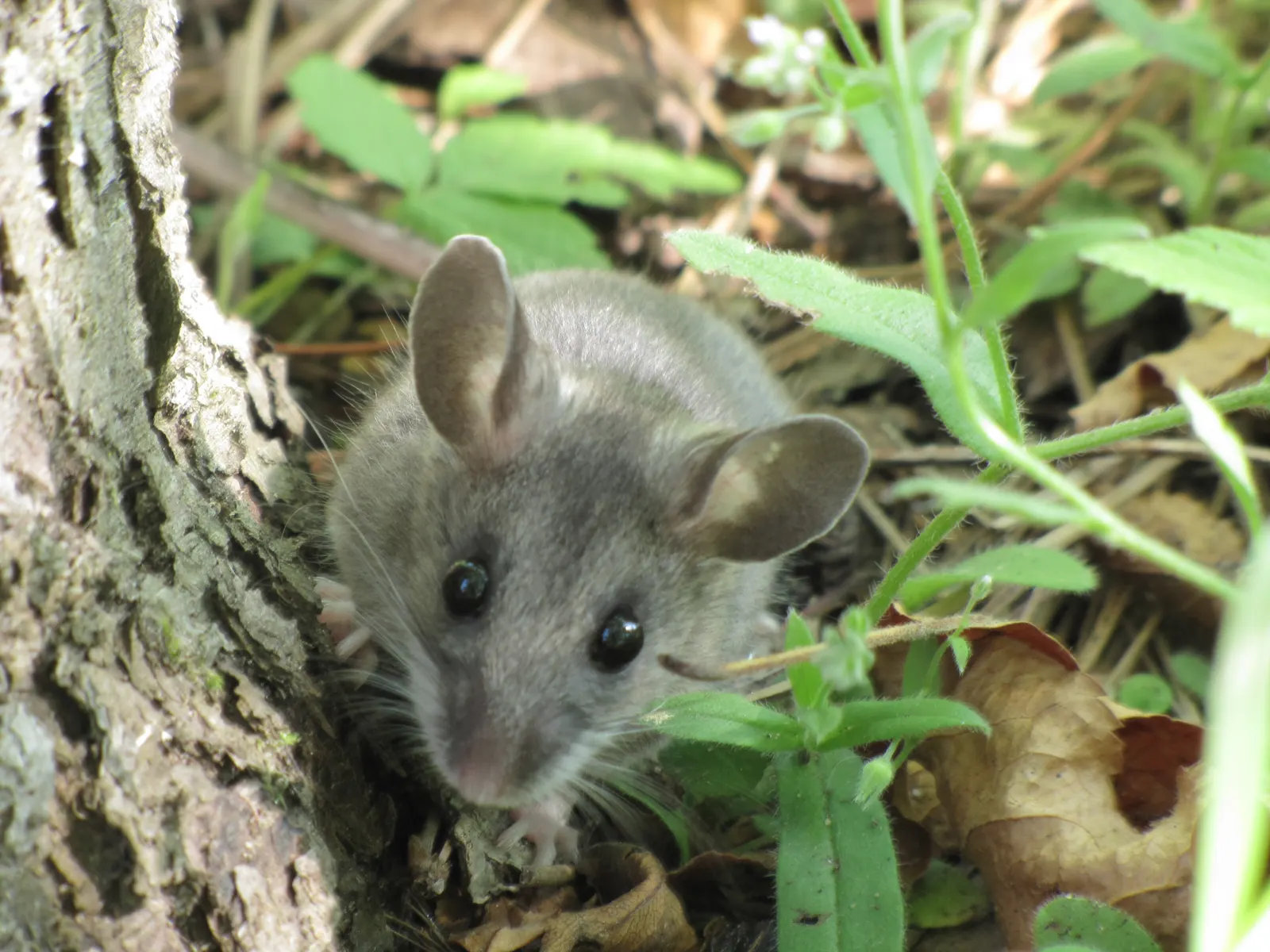
The Washington State Department of Health says deer mice are the main carriers of the hantavirus found in Washington. Infected mice live throughout the state, so the department says people can be at risk in any part of Washington.
The mice do not get sick. They can pass the virus in their urine, saliva and droppings. WSU Extension says deer mice are common in agricultural and forest areas, which describes plenty of Snohomish County.
How to Tell Deer Mice From House Mice
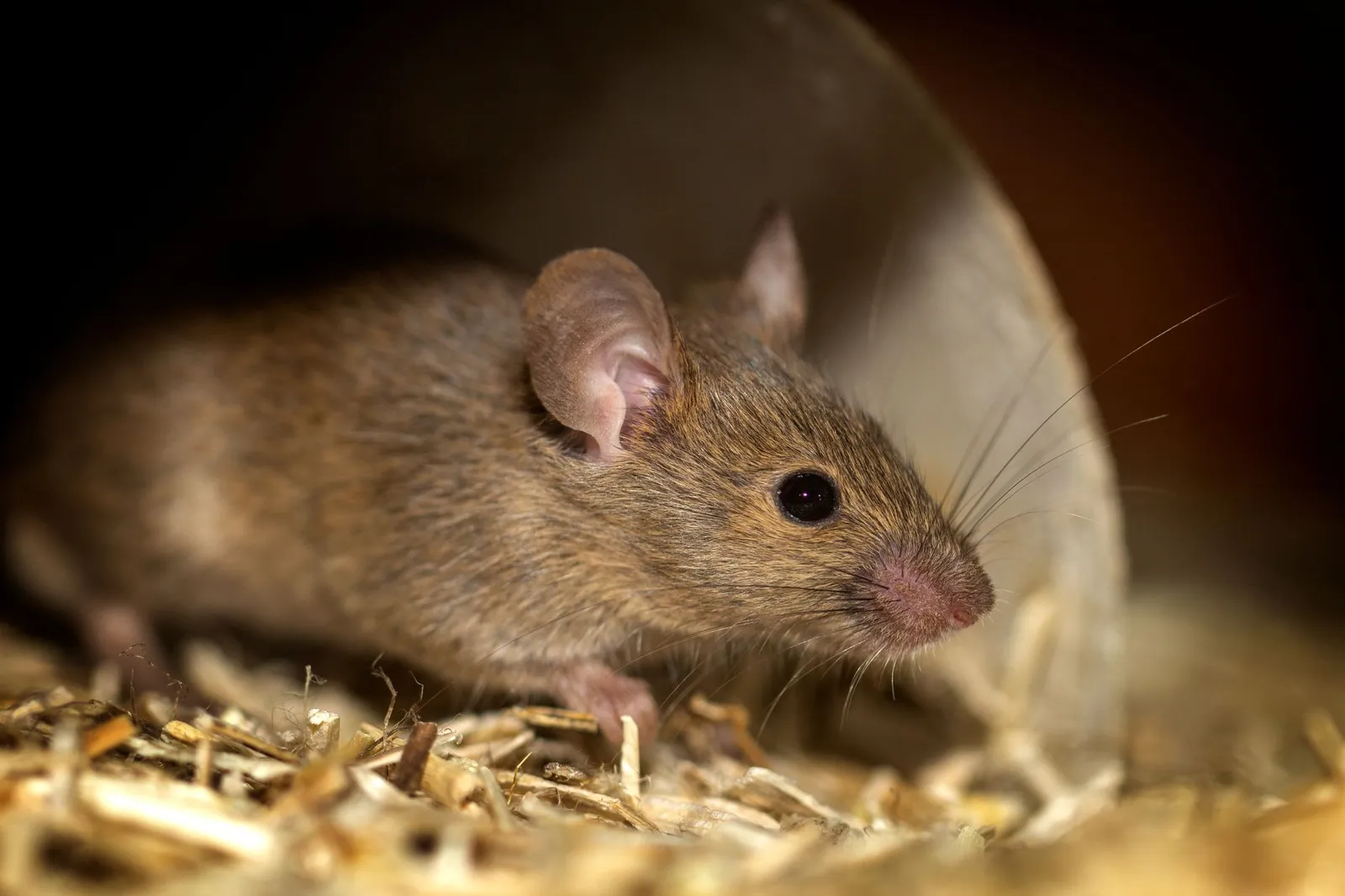
UC IPM calls the tail the easiest way to tell a deer mouse from a house mouse. A deer mouse has a bicolored tail, white underneath and darker on top. A house mouse has an almost furless tail.
Other clues from UC IPM:
- A brown back with a white underside, white legs and white feet
- Larger eyes and ears than a house mouse
- No strong musky odor, which is typical of house mouse infestations
Droppings and nests look much like house mouse signs, so you cannot count on droppings alone. If you are unsure, treat any mouse mess as if it could carry the virus.
Hantavirus in Washington: How People Get It
People get sick by breathing in dust that contains virus from droppings, urine or nests. The health department lists symptoms that appear one to eight weeks after exposure: fever, muscle aches, headache, nausea, vomiting and fatigue. As the illness progresses, fluid builds up in the lungs, which usually means hospital care.
The same page says typically one to five cases are reported in Washington each year, and about one in three people diagnosed with the lung illness have died. Rare does not mean harmless. It means cleanup is worth doing carefully.
Why Deer Mice Move Into Sheds, Cabins and Garages
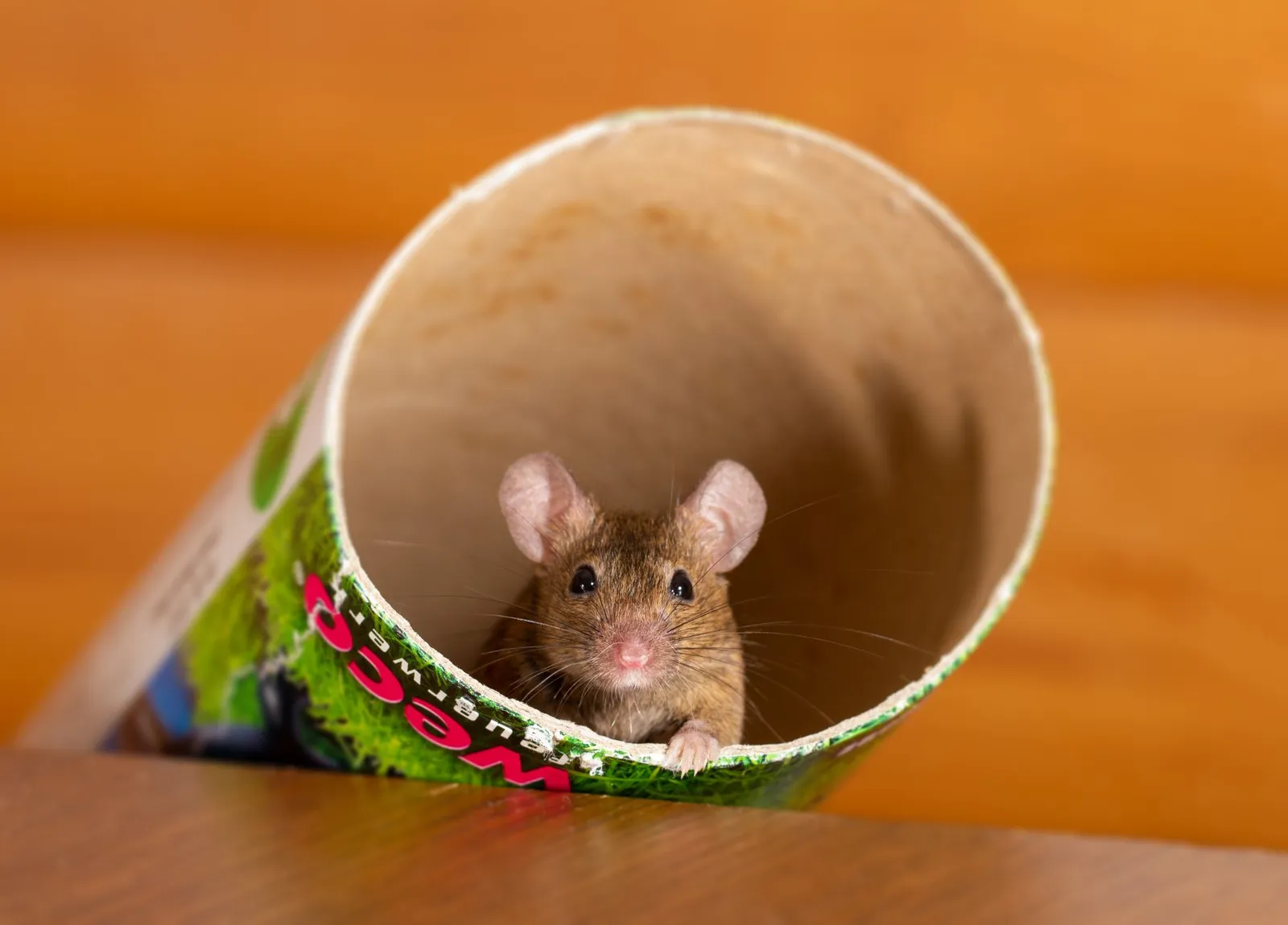
UC IPM says deer mice often enter vacated homes, cabins and other structures, where they build nests and store food. They do not hibernate, and they nest in family groups through the winter. WSU adds that they will nest in unoccupied buildings.
That is why the riskiest cleanup jobs tend to be the first spring visit to a cabin, a boat shed, or a garage that has sat shut since fall. The ordinary mice in your kitchen are covered in how to get rid of mice.
How to Clean Up Deer Mice Droppings Safely
The steps come from the health department and UC IPM, and the order matters.
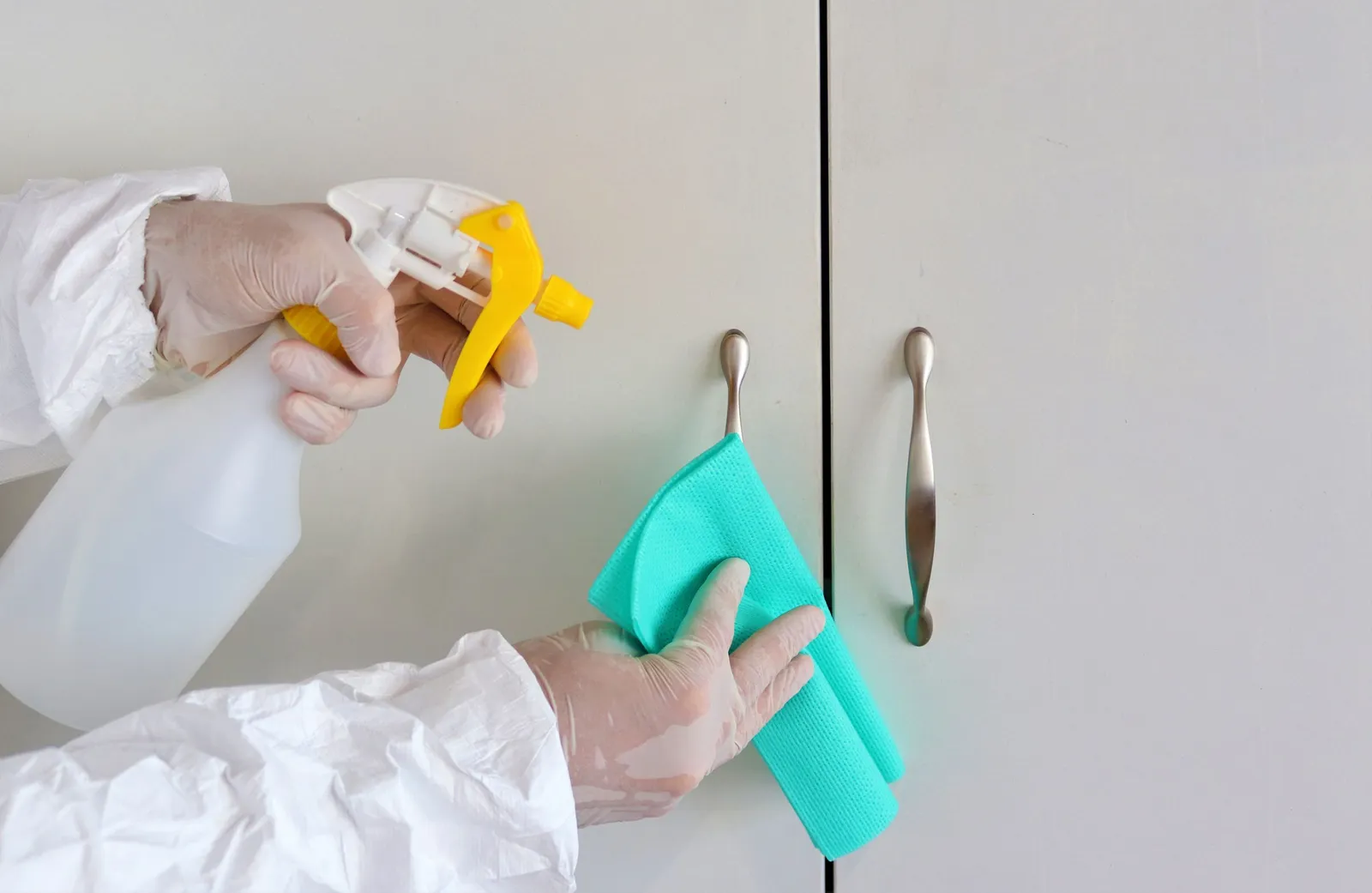
- Air it out first. Open doors and windows and leave for at least 30 minutes before you start cleaning.
- Do not sweep or vacuum. The department is clear that stirring up dust is how people get exposed.
- Wear rubber gloves.
- Soak everything with a bleach solution. Use one part bleach to nine parts water, and let it sit for 10 minutes. Other disinfectants work if you follow the label.
- Wipe it up. Place droppings and nesting material in a double bag and throw it away.
- Wash the gloves, then your hands.
The department notes that a dust mask gives some protection but does not guard against viruses. For a heavy infestation, or for droppings in ducts, it recommends hiring a professional pest control or duct cleaning company. Our guide to mouse droppings versus rat droppings covers the identification side.
Which Traps to Use for Deer Mice
Snap traps are the standard answer. The health department calls them inexpensive and effective, and recommends keeping them away from pets and young children. UC IPM says peanut butter works as bait, and suggests spacing traps about 10 feet apart where mice are active, with the trigger end against the wall.
Skip glue boards and live traps. UC IPM advises avoiding them because they increase hantavirus exposure risk, and the health department notes that a mouse left alive keeps contaminating the area. Poison is a poor choice for the reason covered in mice in the walls: a mouse can die where you cannot reach it.
How to Keep Deer Mice Out
Trapping removes the mice that are inside. Sealing keeps the next ones out. The health department says mice can enter through an opening about a quarter inch wide, and recommends steel wool and caulk for small gaps and hardware cloth or metal for larger ones. UC IPM points out that steel wool alone is only a temporary plug, so use metal or concrete for anything bigger than a quarter inch.
Also store pet food, birdseed and garbage in sealed containers, and keep firewood and lumber at least 12 inches off the ground.
When to Call a Rodent Control Company
Call when droppings keep showing up after you clean, when the infested space is too large to clean safely, or when you cannot find how they are getting in. Our rodent control service starts with an inspection of the entry points, then sealing and trapping. For homes near us, the rodent control page for Lake Stevens covers what that looks like in practice.
If you found droppings and are not sure what to do next, contact us and describe what you saw and where.
Deer mouse photo by the Seney Natural History Association, CC BY-SA 2.0, via Wikimedia Commons.
We handle this across Snohomish and King County, and the city pages go into the local detail for Lake Stevens rat control, rat and mouse control in Lynnwood, rodent control in Edmonds, Woodinville rat control, and rat and mouse control in Everett, including how fast we can get there.