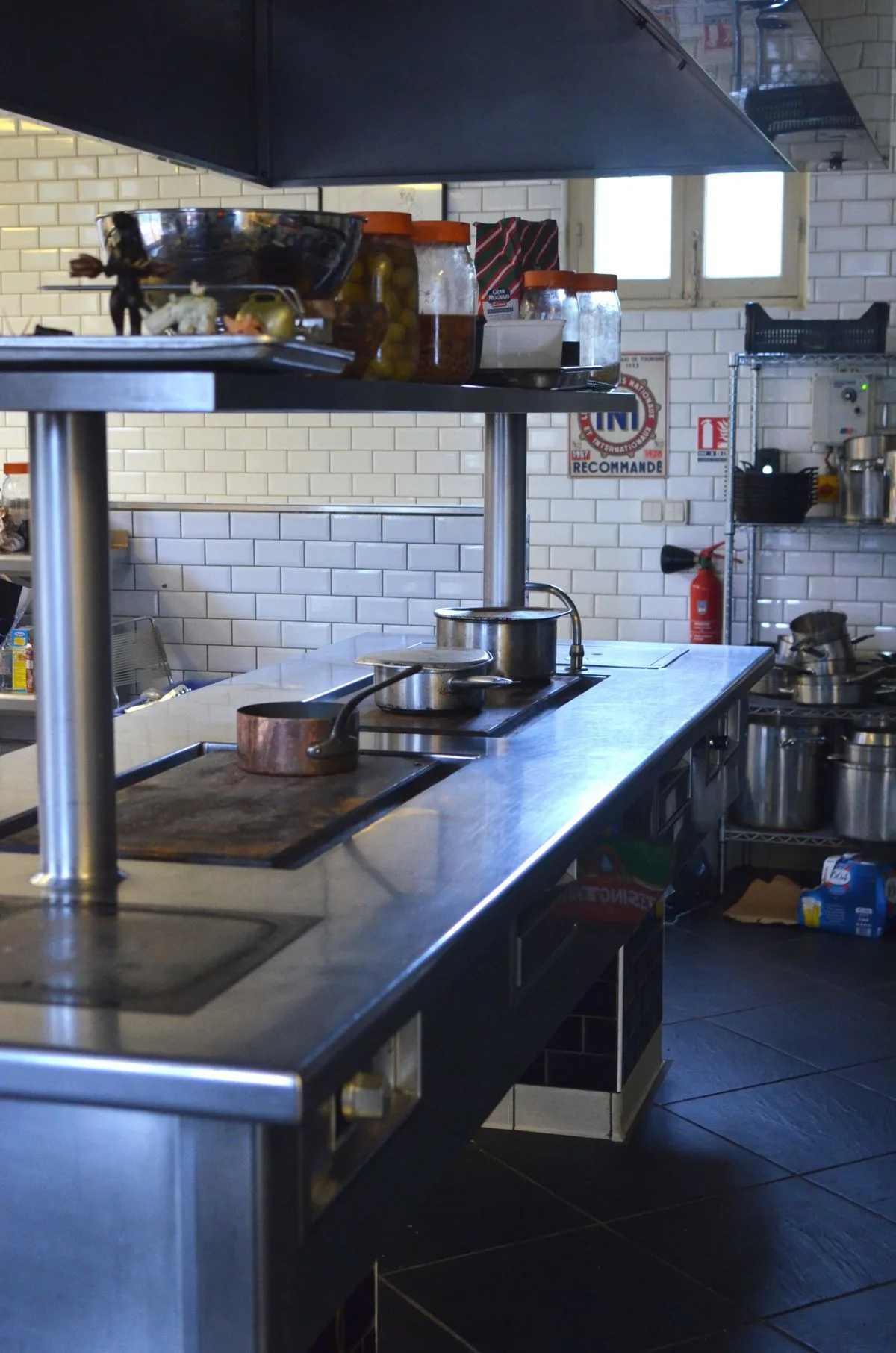
For a restaurant, retail food business, or any commercial kitchen, pests aren’t just a customer-experience problem. They’re a regulatory one. A single rodent sighting during a health inspection can drop your score, and in the worst case it can close you for the day. The bar in food service is higher than it is for a home, and the way you handle pests has to match.
Pests are a health-code problem, not just an “ick” problem
Washington’s retail food code treats pest activity as a direct risk to food safety. Inspectors aren’t only reacting to a fly they happen to see. They’re evaluating whether your operation is set up to keep pests out in the first place, and whether you can prove it. That shift, from “are there pests right now” to “do you have this under control,” is what catches a lot of operators off guard.
Where inspectors actually look
A health inspector knows exactly where pests hide, so that’s where they check:
- Behind and under equipment, where grease and crumbs collect
- Floor drains and the spaces around them
- Dry storage, especially low shelves and the corners of bulk goods
- Dock and dumpster areas, the number-one entry point for rodents
- Door sweeps and the gaps under back doors
- Dishwashing areas and standing water
- Ceiling tiles and wall voids for evidence of rodents
Droppings, gnaw marks, grease trails, and live or dead insects are all things they document. So is a propped-open back door.
The paper trail matters as much as the pests
Here’s the part a lot of businesses miss: inspectors want documentation. A professional pest program that logs every service visit, what was found, what was treated, and where the monitoring devices are gives you a record that demonstrates control. When an inspector asks how you manage pests, “we have a documented program and here’s the log” is a very different answer than “we spray when we see something.” The paperwork is part of passing.
Common entry points in food service
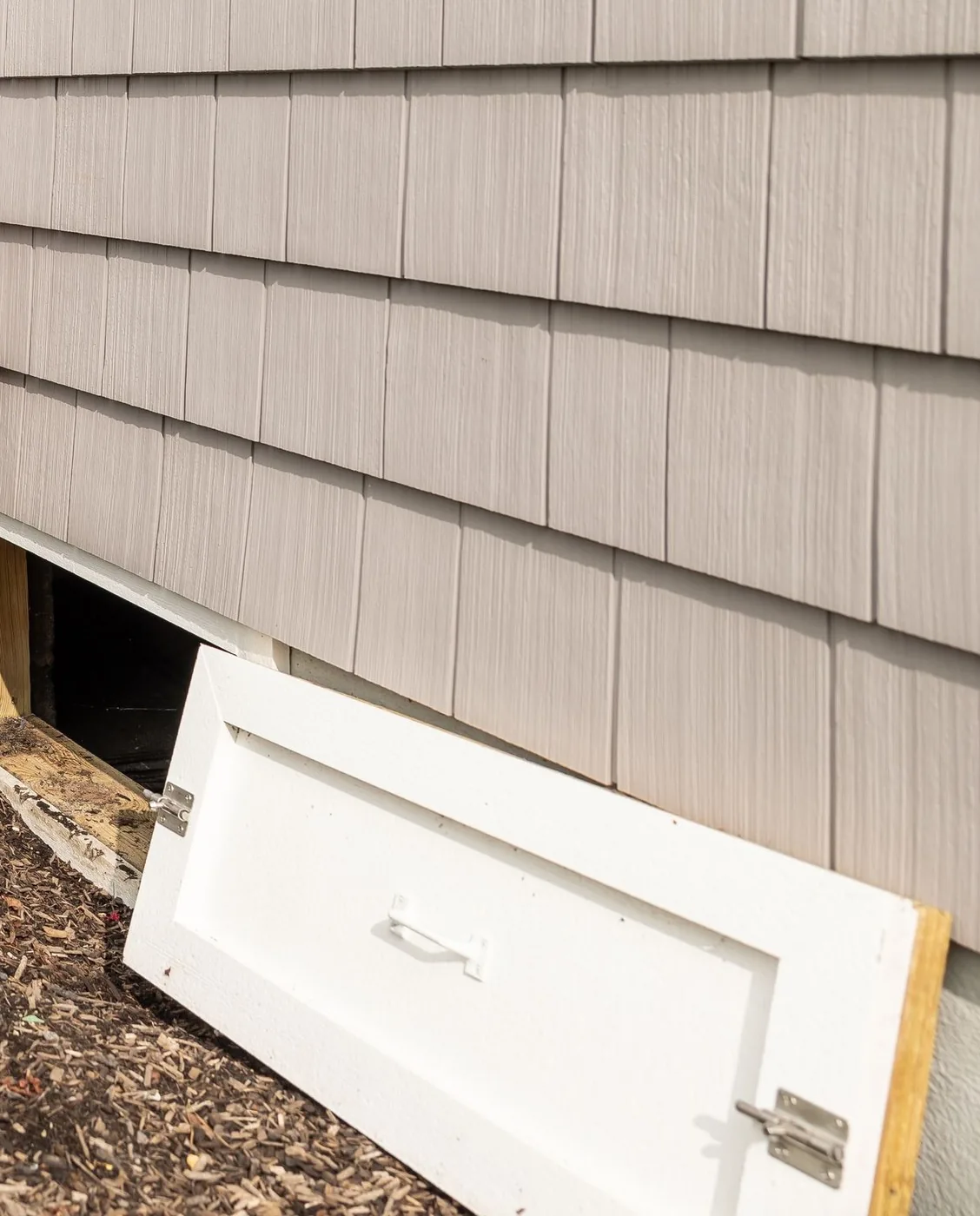
Most commercial pest pressure comes in through a handful of predictable weak spots: the dock and dumpster area, deliveries (pests ride in on pallets and cardboard), gaps under exterior doors, and utility penetrations in the walls. Add the constant food and water a kitchen provides and you have everything a pest needs. Exclusion, sealing those entry points and tightening up the dock routine, does more than any amount of reactive spraying.
What a commercial program looks like
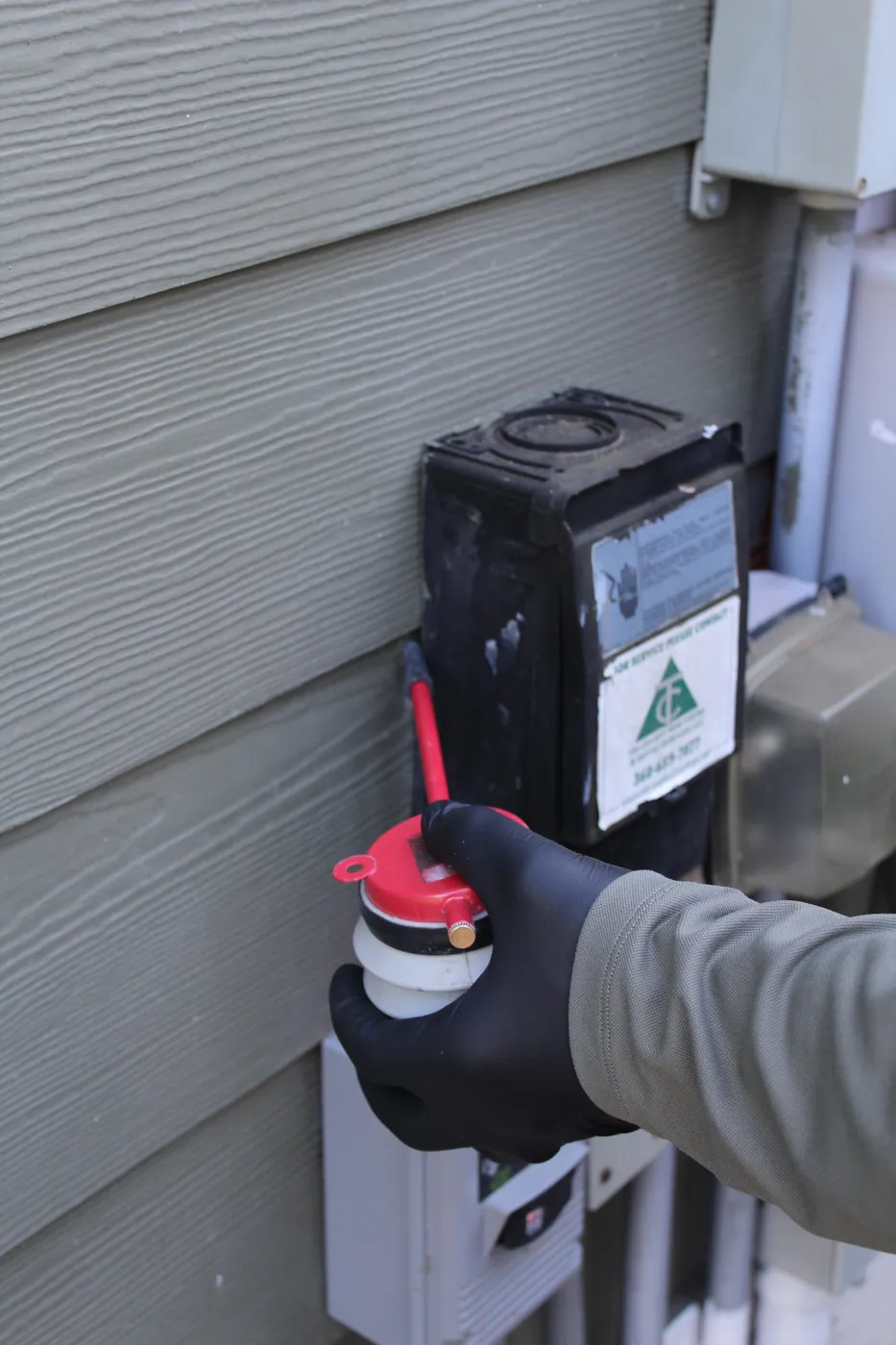
A real commercial program isn’t a guy with a sprayer once in a while. It’s scheduled service on a set frequency, monitoring devices placed and checked, exclusion work on the building, sanitation recommendations for the staff, and documentation you can hand an inspector. It’s built around your specific operation, a restaurant, a multi-family property, retail, or a warehouse, because each one has different pressure and different rules.
Get ahead of the inspection
The worst time to start thinking about pest control is the day after a failed inspection. The point of a commercial program is that the work is already done and documented before anyone asks.
Our commercial pest control runs quarterly (or more often where it’s needed) with the documentation that satisfies health-department audits, for restaurants, retail, multi-family, and medical across Snohomish County and King County. Call (425) 332-6566 or tell us about your business and we’ll build a program around it.