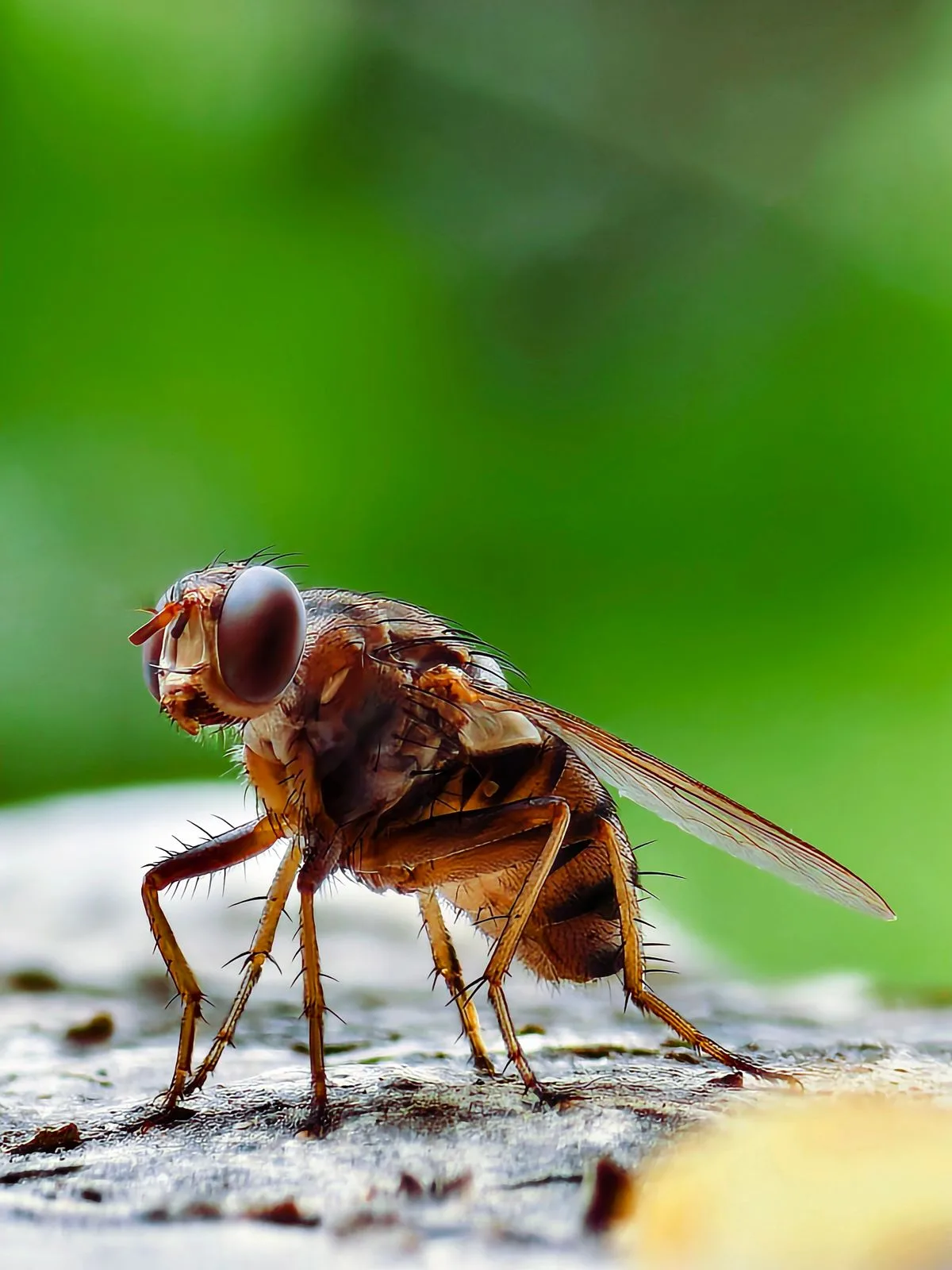
When people say they have a fly problem, they usually mean one of three very different things. The fly in your attic window, the cloud over your fruit bowl, and the little fuzzy ones drifting around the bathroom sink are not the same insect, and they don’t get fixed the same way. Swatting the ones you see is the one approach that’s guaranteed not to work, because the actual problem is wherever they’re breeding.
Cluster flies: the ones in the attic
If you’re finding sluggish, slightly larger flies clustered around upstairs windows on the first sunny days of fall or spring, those are cluster flies. They don’t breed in your house. They develop outdoors in lawns (the larvae parasitize earthworms), and in fall the adults pile into warm, protected spaces to overwinter, attics, wall voids, and window frames being their favorites.
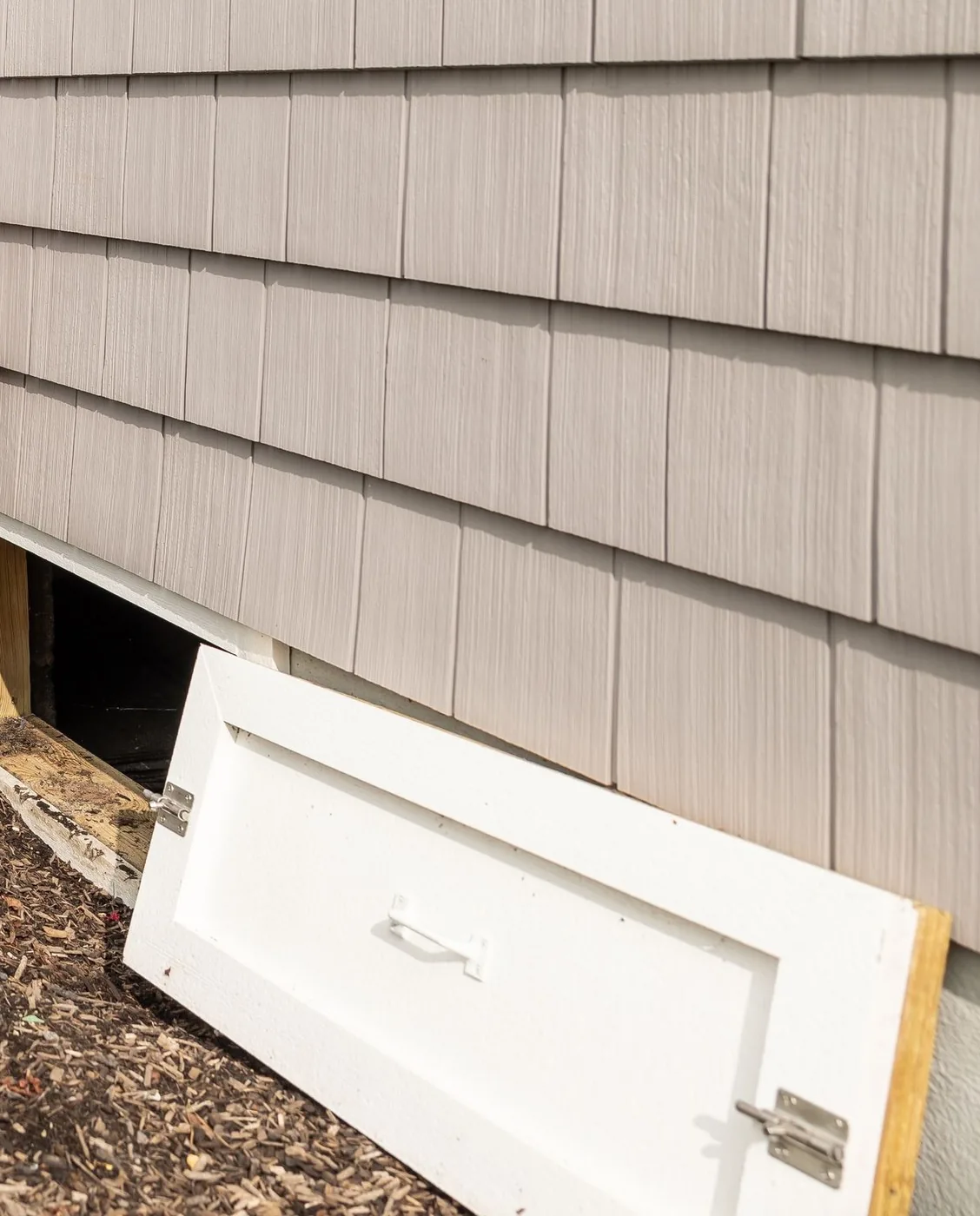
They show up in big numbers on warm days because the warmth wakes them up and they head for the light. You can vacuum the ones you see, but the real fix is sealing the gaps around the roofline, fascia, and windows they’re using to get in, ideally before fall.
Fruit flies: the ones in the kitchen
Those tiny tan flies hovering over the fruit bowl or the recycling are fruit flies. They breed in fermenting organic matter, overripe produce, the film inside a recycling bin, a splash of juice or beer behind the cabinet, a damp mop head. They reproduce fast, so a small overlooked source becomes a cloud in days.
The fix is sanitation, not spray. Find and remove the breeding material: refrigerate or toss ripe produce, rinse recyclables, clean under and behind appliances, and check the bottom of the trash can. Cut off the food and the moisture and they have nowhere to lay eggs.
Drain flies: the ones in the bathroom
Drain flies (sometimes called moth flies for their fuzzy, moth-like look) breed in the gelatinous gunk that builds up inside drains, especially ones that don’t get used much, a guest bathroom sink, a floor drain in the laundry room, a basement utility sink. You’ll see them resting on the wall near the drain, not really flying so much as hopping.
Pouring bleach down the drain mostly washes past the problem. What actually works is mechanically scrubbing the inside of the pipe with a brush to remove the film the larvae live in, or using an enzyme drain cleaner that digests it. No film, no drain flies.
Why killing the ones you see doesn’t work
You’ve probably noticed the theme. With all three, the flies in the air are the symptom, and the breeding site is the cause. You can knock down adults all day, but as long as the source is producing more, you’re not gaining ground. Identifying which fly you have tells you where to look, and that’s most of the battle.
When to call us
If you’ve cleaned, sealed, and scrubbed and the flies keep coming, there’s usually a breeding source you can’t see, inside a wall, under a slab, in a drain line, or a roofline gap you can’t reach. That’s worth a call.
Our fly control starts by identifying the species and tracking down the source instead of just treating the air, because that’s the only thing that makes it stick. Send a photo or call (425) 332-6566 and we’ll help you figure out which fly you’re actually dealing with.