A rat in the attic and a rat in the crawl space are not always the same animal, and the difference decides where you look, where you set traps, and where the rat is getting in.
Washington has two rats that move into homes, and a few clear features tell them apart.
Norway Rat vs Roof Rat: How to Tell Them Apart
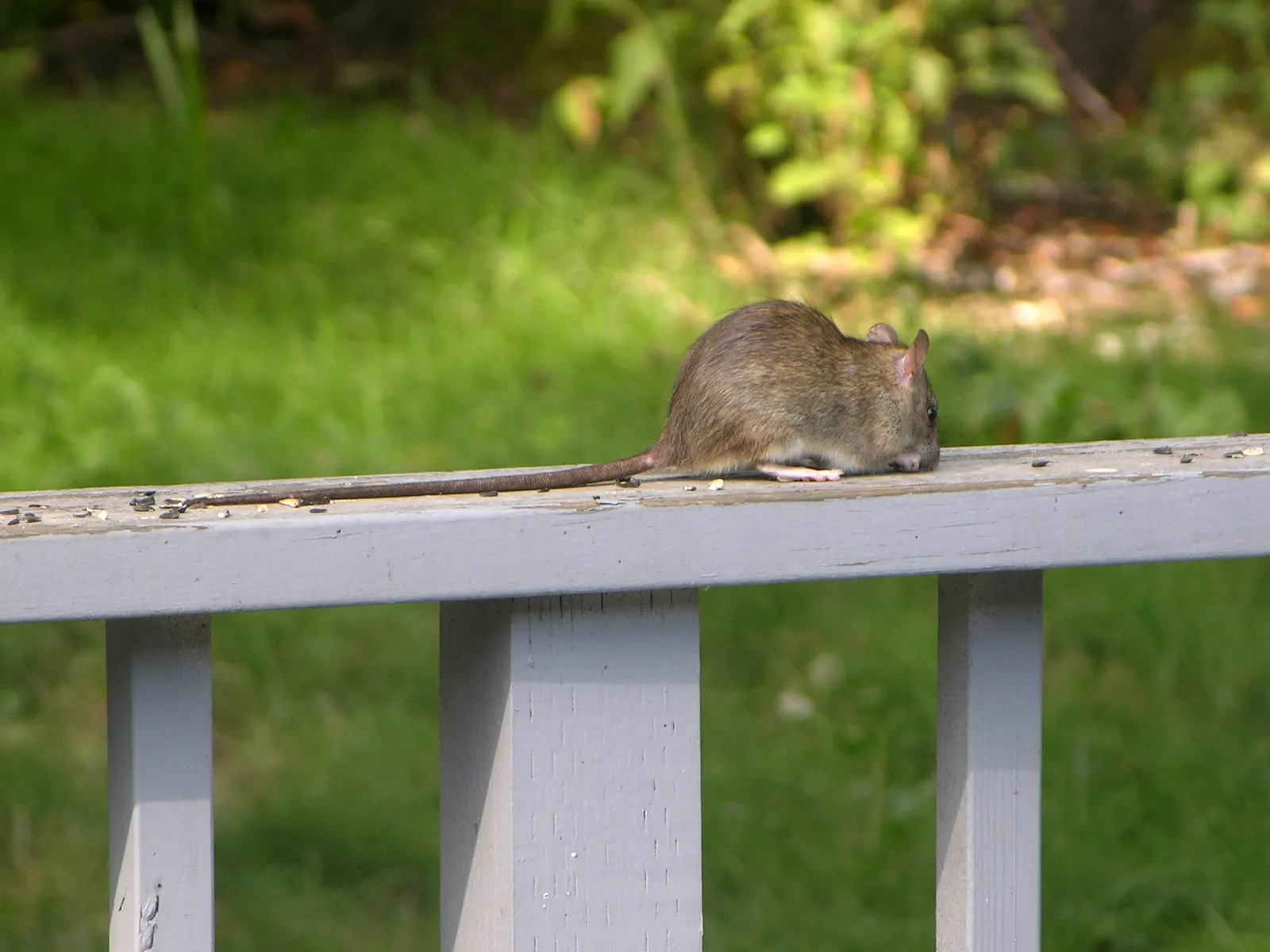
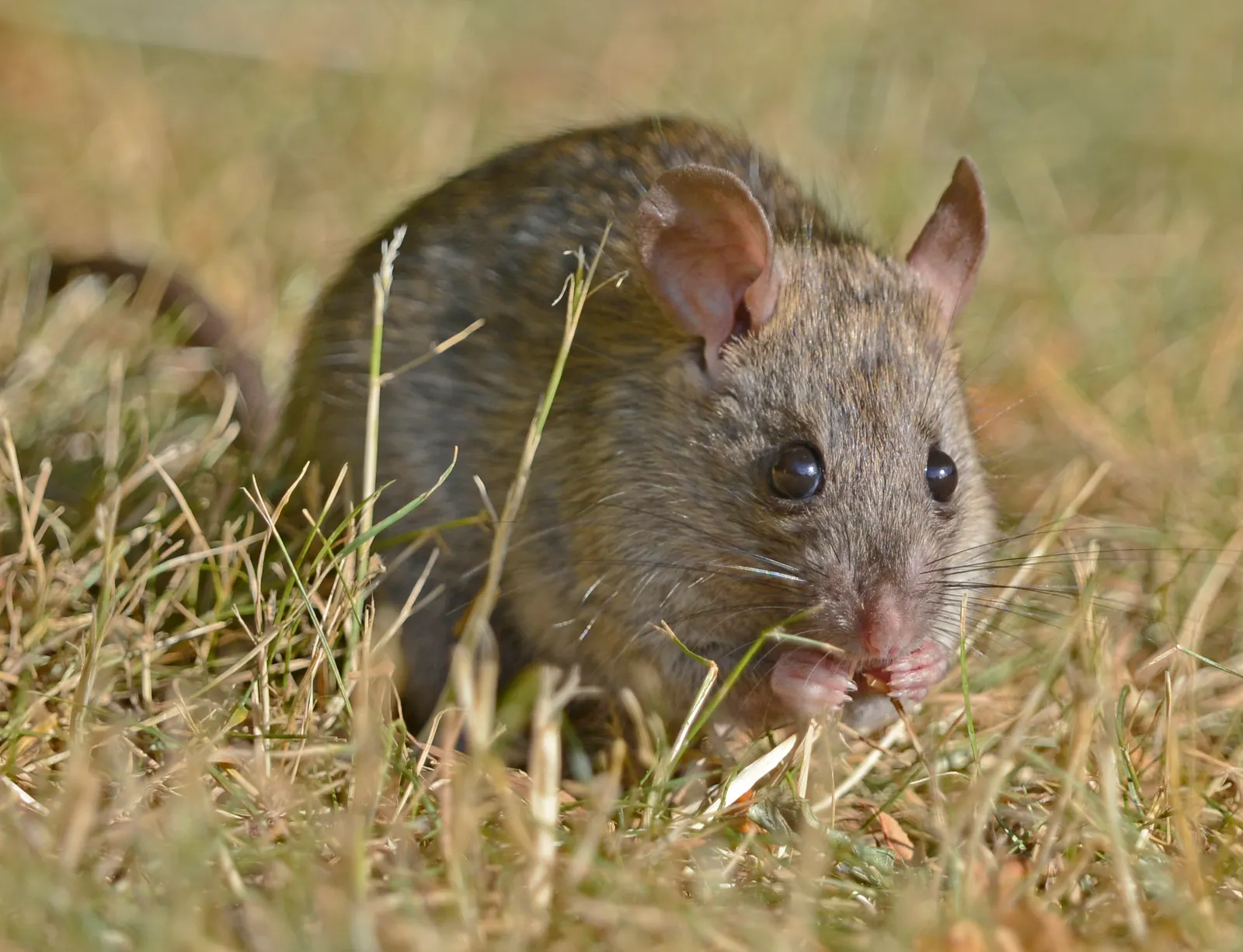
The tail is the quickest check. WSU Extension says a Norway rat’s tail is shorter than its head and body combined, while a roof rat’s tail is longer than its head and body combined.
UC IPM adds the rest of the comparison:
- Build: Roof rats are slender and agile. Norway rats are larger and stockier.
- Muzzle: Roof rats have a pointed muzzle, and Norway rats have a blunt one.
- Ears: On a roof rat, the ears reach the eyes when folded forward. On a Norway rat they do not.
- Weight: About 5 to 10 ounces for a roof rat, and about 7 to 18 ounces for a Norway rat.
The Washington Department of Fish and Wildlife says Norway rats are grayish-brown from top to bottom and average about 16 inches in length. Roof rats are similar in length but slimmer and darker.
Where a Norway Rat and a Roof Rat Nest
This is the part that helps most when you cannot see the animal. WDFW says Norway rats prefer to nest at or under ground level, and in the lower floors of buildings. Their burrow entrances are 2 to 4 inches across.
Roof rats build nests above ground. WDFW lists attics, trees, and overgrown shrubbery or vines. UC IPM adds wall and ceiling voids, and says roof rats may travel 300 feet or more for food, often along utility lines or fence tops. Norway rats forage roughly 100 to 500 feet from the nest.
So scratching overhead points toward a roof rat, and burrows along the foundation point toward a Norway rat. Our guide to mice or rats in the attic covers the sounds, and signs of rats in a crawl space covers the low end of the house.
How Roof Rats and Norway Rats Get Into a House
WDFW describes roof rats as agile climbers that often enter at the roofline, so the roof needs a close look. Norway rats are more powerful swimmers and can come in through sewers and drains.
Both can gnaw, climb, jump or swim their way to an opening. WDFW says a hole about a quarter inch wide is enough for a rat to chew larger and squeeze through. That is why sealing matters more than which species it is, and why we walk the whole outside of a home before setting anything. Why rats get in during fall explains the seasonal push.
Roof Rats and Norway Rats in Washington
WDFW says Norway rats are found in Washington wherever people have established permanent residence or industry. Roof rats prefer saltwater-influenced, warmer climates, and the department notes that they are often seen in port cities and coastal towns. Everett is a port city on Puget Sound, which fits that pattern.
Neither rat is limited to one kind of house. A tall maple touching the roof, a fence line, or ivy up a wall can give a roof rat a path to the roofline, and a woodpile or junk pile against the foundation gives a Norway rat a place to dig.
Why the Species Changes the Trap Plan
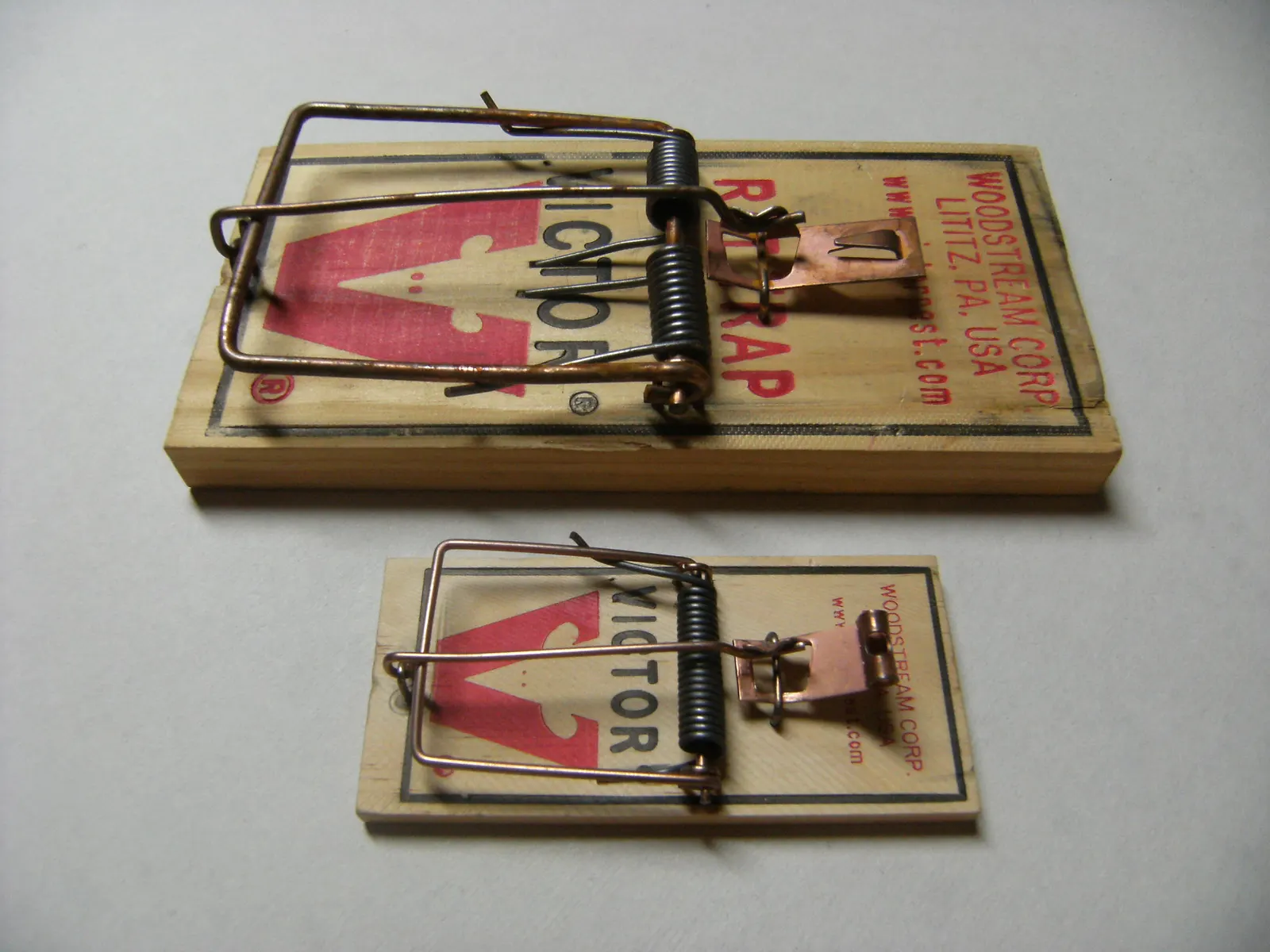
UC IPM recommends snap traps for both rats, and the placement differs.
For Norway rats, set traps against walls, perpendicular to the wall with the trigger end close to it, in dark corners and where you find droppings or burrows.
For roof rats, set traps on the ground and off it: ledges, fences, pipes, branches and beams, secured where possible. UC IPM also notes that rats often avoid new objects for days or weeks, so a trap may sit untouched at first. The details are in our guide to the best rat traps.
When to Call for Rats in Snohomish County
Call if you are hearing movement overhead, finding droppings in more than one spot, or you cannot tell which rat you have. Identifying the rat, finding the openings and sealing them is the heart of rodent control, and it works the same way whichever species it turns out to be.
For homes in our home base, the rodent control page for Lake Stevens explains what an inspection covers. When you are ready, request an inspection and tell us where you hear or see them.
We handle this across Snohomish and King County, and the city pages go into the local detail for Lake Stevens rat control, rat and mouse control in Lynnwood, rodent control in Edmonds, Woodinville rat control, and rat and mouse control in Everett, including how fast we can get there.